Small Living Spaces: Complete Guide to Design, Layout & Optimization

If you’ve ever struggled with a small room layout, you may have wondered what the secret is to making it look stylish and put together. Setting up a space like this is almost always a planning problem, rather than a square-footage problem. Even a small bedroom can feel airy, and a large living room can feel claustrophobic. The difference is a handful of design choices that get made each time someone furnishes a room. Here are universal rules for any small living space, including ways to maximize its design and layout for optimal results.
Design rules that work in any small room
There are a few designer tips that can work no matter what type of space you have. Here they are:
- Lift the furniture off the floor. If you’ve got a smaller room, choose pieces with visible legs that let light pass underneath. Think of switching out skirted sofas, full-base cabinets, and floor-skimming dressers that absorb light and make a room feel heavier. When you have visible space under the furniture, it equals visible floor, which makes it appear larger.
- Go up, not out. Select furniture that is vertical. For instance, a tall, narrow bookshelf takes less floor space than a low, wide credenza and stores more. Vertical storage is the single biggest way to reclaim floor space.
- One focal point per room. Small rooms with two or three competing focal points compete with each other. If you have a TV, fireplace, big art, or a statement wall, pick one as the focus and make everything else support it.
- Multi-functional everything. Each piece should do at least two jobs, for example, an ottoman that opens for storage, a bed with drawers underneath, a coffee table that lifts to dining height, or a table that also works as a desk.
- Continuous flooring. Small spaces look bigger when the floor reads as a single surface area. Rugs that break up zones in larger rooms can make small rooms feel chopped up. If you do use a rug, go for one big enough that it covers most of the floor to avoid this effect.
- Light-reflective surfaces. Using light reflective surfaces like mirrors, glossy paint, lacquered furniture, and light-colored fabrics helps to bounce light around and double the perceived space. Avoid matte-painted walls, which look great in big rooms but can shrink small ones.
- Layered lighting at multiple heights. Small rooms with one overhead fixture can feel like something is missing. Add a table lamp, floor lamp, wall sconces, or under-cabinet lights, as having multiple sources at multiple heights expands the room visually.
- Edit ruthlessly. Small rooms need more restraint, so choose one bold piece rather than several small ones. The same goes for patterns and color schemes; select one. Every item should earn its spot in the room design.
Small living rooms
These are the most common small-space challenges for living spaces. Small living room ideas and small living room furniture layouts both cover the basics. Here are some tips to use:
- Skip the sectional. A regular sofa and one accent chair feel lighter and give you more flexibility than a sectional.
- Push the sofa against the longest wall. This frees up the visual middle of the room. The opposite of the rule applies for larger rooms, but it works well in small ones.
- Floor lamp instead of side tables. Using vertical lighting takes up less floor space and acts as the height anchor the room needs.
- Mount the TV. A media console takes up space; use a wall mount to free the wall for storage or display.
- Dimension-specific playbooks: 10×10 living room layouts and 12×12 living room layouts show actual arrangements for the most common tight sizes.
- TV-specific small layouts: space-saving small living room layouts with a TV covers the most common arrangements when the TV is the anchor.
For the broader rules that translate across any size living room, living room layout ideas to maximize space give you some tips to use.
Small bedrooms
How to make your small bedroom look bigger covers the universal principles applied to bedrooms. Here are some tips to use that go beyond the basics:
- Bed against the wall opposite the door. The longest sightline into the room ends at the bed. Placing the bed against the far wall centers the layout.
- Mounted nightstands. Wall-mounted or floating nightstands free up the floor space both visually and physically. A shelf at bed height can also do the job.
- Bed with under-storage. Platform beds with drawers, lift-up storage frames, or simple risers that fit bins underneath all can yield additional storage. The space under the bed is the easiest way to gain additional room for items in a small bedroom.
- Skip the headboard or go tall. A wide bulky headboard takes up space. Either skip it, paint a faux headboard on the wall, or go with something tall and narrow to draw the eye up.
- Couples-specific layouts: small bedroom layouts for couples covers the dual-side-access challenge.
- Queen bed specifics: small bedroom layouts with a queen bed and 10×10 bedroom layouts with a queen bed cover the most-asked-for size constraint.
- King bed in a small room: 12×12 bedroom floor plans with a king-sized bed shows what actually fits.
- Storage on a budget: storage ideas for small bedrooms on a budget covers the under-$300 fixes that move the needle.
Small kitchens
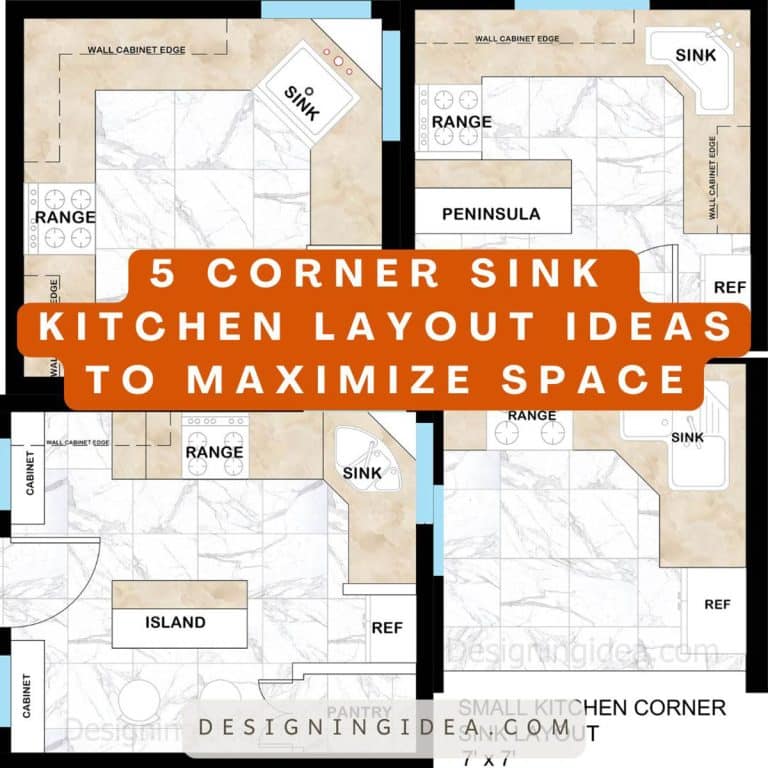
Having a small kitchen means that every inch of counter and storage matters. Small kitchen layouts and small kitchen design ideas both provide valuable tips to maximize your floor plan.
- Galley is the small-kitchen workhorse. Two parallel runs of cabinets maximize storage per square foot. Galley kitchen designs covers the principles, galley kitchen layout ideas covers the actual setups, and galley kitchen dimensions covers the minimums.
- Cabinets to the ceiling. The wasted space above standard 36-inch wall cabinets is the biggest small-kitchen mistake. Installing floor-to-ceiling cabinets adds 50 percent more storage and makes it look taller.
- Skip the island unless you have room. Most small kitchens don’t have the 42-inch clearance an island needs. A peninsula or a rolling cart can work to give you similar results. Small kitchen with island layout ideas covers the cases where it does fit.
- Light cabinets in small kitchens. Small kitchens with white cabinets shows why. Lighter-toned cabinets bounce light, while dark cabinets in small kitchens can feel like you’re in a cave, unless the room has tons of windows with natural light.
- Storage strategy: how to organize a small kitchen covers what actually goes where. Essential small kitchen appliances helps decide what stays on the counter.
- Dimension-specific layouts: 10×10 kitchen layout ideas and 12×12 kitchen layouts cover the most common small footprints. For galleys specifically, 10×10 galley kitchen layouts is the targeted guide.
- DIY upgrades: DIY small kitchen ideas cover the under-$500 changes that move a small kitchen forward without a full remodel.
Small bathrooms
Small bathroom ideas and bathroom ideas for small spaces both cover the broader small-bathroom floor plans that are popular in homes. Here are some of the high-impact tips to try:
- Pedestal sink or wall-mounted vanity. A visible floor under the sink can increase the perceived size. A full-base vanity in a small bathroom offers more storage, at the expense of a wider feeling.
- Bigger tile, not smaller. This seems like it’s counterintuitive, but it’s true. Tile size for small bathroom covers the reasons why. To put it plainly, it’s because fewer grout lines mean the eye reads a continuous surface instead of in a grid.
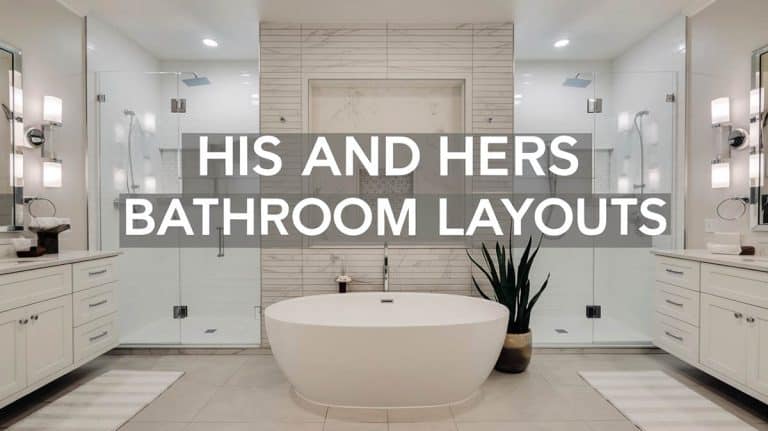
- Layout matters more than fixtures. Small bathroom layout ideas with a shower, small bathroom layouts with a tub, and small bathroom with double vanity layouts cover the configurations that actually work.
- Storage that uses the wall: small bathroom storage ideas and pedestal sink storage cover the wall-mounted strategies that don’t take floor space.
- Paint for windowless bathrooms: best paint color for small bathrooms with no windows is critical reading if natural light is missing.
- Hardware placement: where to put a toilet paper holder in a small bathroom and where to hang wet towels in a small bathroom cover the placement decisions that get skipped.
Small home offices
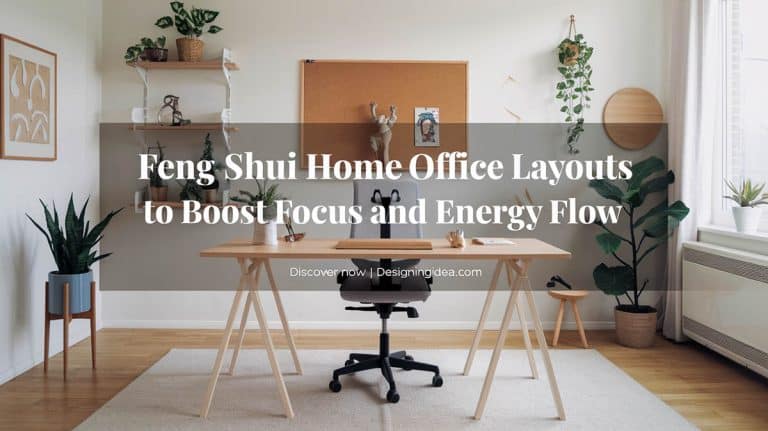
Small home office ideas and small home office layout ideas cover room-type specifics. Here are some of the home office design principles to consider:
- Wall-mounted desk over freestanding. A floating desk eliminates wasted space and gives you the same work surface as a regular desk would.
- Vertical storage above the desk. Run your shelves up to the ceiling, as the space above eye level is wasted in most small offices.
- Skip the desk lamp. Wall sconces or under-shelf lighting help clear the desk surface for work and necessities.
- A closet office (cloffice) is often the right answer. Converting an unused closet into a desk-and-shelves setup can make an otherwise unused space become useful. It’s also a way to gain privacy that you wouldn’t have in a shared room.
Small dining rooms
Small dining room layouts cover the room arrangements. Here are some of the top tips to use:
- Round or oval tables. Since these have no corners to move around, they work better in a tight layout. A round 48-inch table seats four and takes up the same amount of space as a 36-by-60 rectangular table.
- Extendable tables. Go for table models with drop leaves, butterfly extensions, or sliding tops. Set them to compact for daily use, and full size when you expect guests.
- Bench seating against the wall. A bench fits more people than chairs in the same length and can tuck completely under the table when not in use.
- Lighting at the right height: small dining room lighting tips cover what works at scale. A single pendant often beats out a multi-arm chandelier.
- Dimension-specific layouts: 10×10 dining room layouts and 12×12 dining room layouts cover the most common tight footprints.
Studio apartments and micro spaces
The ultimate small-space challenge is designing a studio apartment, since a single room does everything. 400 sq ft studio apartment layout ideas is the canonical reference. How to set up a studio apartment covers some of the early decisions you can expect.
- Zone the room without walls. Rugs, furniture orientation, lighting changes, and bookshelves all can act as visual dividers. When placing your furniture, the sleeping zone shouldn’t face the cooking zone.
- Murphy bed or sofa bed, not a regular bed. A studio gets twice the daytime usable space when the bed disappears.
- One dining situation, not two. Use a counter with stools, or a small table that doubles as a desk, but not both at the same time.
- Modern micro apartment design: modern micro apartment design shows the under-300 square foot extreme cases that work.
- Size reality: studio apartment size covers what 250, 400, and 600 square feet actually look like.
Combo rooms (when one room has to do two jobs)
Combo rooms are a planning category that requires its own playbook.
- Living and dining combos: living and dining room layout ideas covers the broad strokes, combined living and dining room covers the design rules, and small living and dining room combo layout ideas covers the tight-footprint case.
- Decorating a combined living and dining room: the decorating a combined living and dining room guide handles the cohesion question (matching styles vs zoning by style).
- Open-concept kitchen plus living: small open-concept kitchen and living room floor plans covers the layout. The kitchen island becomes the room divider in most setups.
- Living room as bedroom: living room bedroom combo covers the studio-apartment scenario, and turning a living room into a bedroom covers the conversion path.
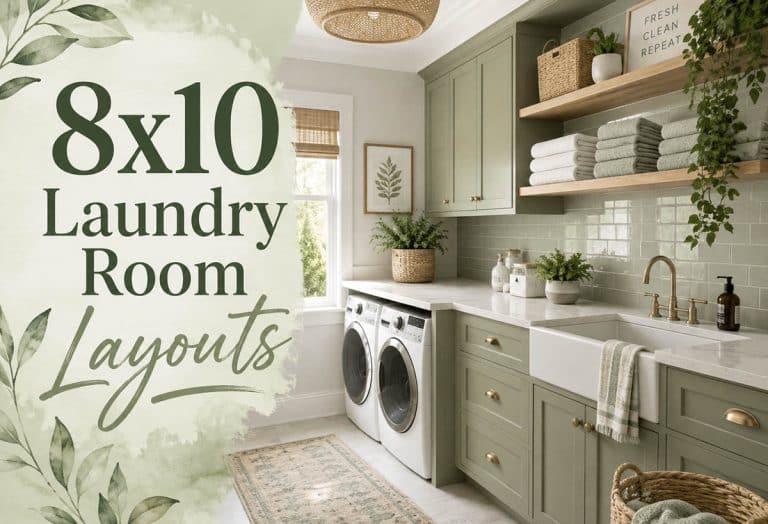
- Bathroom and laundry combos: small bathroom laundry room combo layouts shows the configurations that work in apartments and tight floor plans.
- Bathroom and closet combos: bathroom and closet combo floor plans cover the master suite play in tight floor plans.
Small closets and storage rooms
Closets benefit from the same principles as bedrooms but have a few different priorities to focus on.
- Walls floor-to-ceiling. Every inch of vertical space matters more than in any other room.
- Double-hang rods where possible. Using a standard hanging clothes rod plus a second rod at 42 inches doubles the capacity for shirts, pants folded over hangers, and short items.
- Drawer organizers and shoe storage. Closet shoe storage ideas covers the wall-mounted, door-mounted, and shelf-mounted options.
- Small walk-in layouts: small walk-in closet layout ideas covers L-shape, U-shape, and corridor setups.
- Dimension-specific closet layouts: 4×6 walk in closet layouts, 5×10 walk-in closet layouts, and 6×10 walk-in closet layouts cover the most common closet footprints.
Small hallways and entryways
Creative small hallway decorating ideas showcases the design side. Here are some practical principles to follow:
- Mirrors do double duty. A long mirror at the end of a hallway visually doubles its length. While a mirror near the entry acts more like a last look to check before you head out.
- Wall hooks beat coat trees. Floor-mounted coat trees eat into your available hallway width. Install wall-mounted hooks at adult and kid heights to serve the same function without taking up valuable floor space.
- Slim-profile storage. A 10-inch-deep console with drawers handles keys, mail, and small items without protruding into the path.
- Lighting: small hallway light fixtures cover the scale-appropriate fixtures. Skip those oversized pendants in your tight hallways.
Multi-functional furniture worth buying
Furniture that does two jobs is the single biggest small-space upgrade. Here are some of the pieces that pull double-duty for you:
- Storage ottoman or storage bench. Seating, footrest, coffee table, and storage in one. This is the most useful single piece in any small living space.
- Lift-top coffee table. Rises to dining or work height, giving you a raised surface when needed.
- Murphy bed or sofa bed. Converts a bedroom into a daytime living space, or makes the living room a guest bedroom.
- Platform bed with under-storage: space-saving beds cover the design options. Drawer storage, lift-up frames, and under-bed bins all work.
- Nesting tables. Three small tables that stack into one footprint, so you can pull them apart for guests, or push them together for space-saving.
- Drop-leaf or extendable dining table. Compact for two, and full-size for six.
- Wall-mounted desk or fold-down desk. Closes flat when not in use, and returns the room to its other functions.
Storage strategies that work in any small space
Many small spaces have storage problems. These are the strategies that actually help you gain storage back:
- Use the dead spaces. Under-stairs ideas covers the most-overlooked storage real estate in any small home. You’ll find ideas like pull-out drawers, shelving, or a tucked-in mini office all work.
- Vertical wall storage: Vertical storage can be floor-to-ceiling bookshelves, wall-mounted cabinets, hooks, pegboards, or floating shelves.
- Storage in awkward corners: a corner bookshelf, a triangular shelf, or a corner cabinet uses space that’s otherwise underappreciated.
- Behind-the-door storage: over-the-door hooks, shoe organizers, and racks turn doors into storage walls.
- Room-specific storage references: small bathroom storage ideas, storage ideas for small bedrooms, kitchen appliance storage ideas, and kitchen island storage ideas all cover targeted setups.
- A contrarian principle: why you should avoid open shelf storage covers the case for closed storage in small rooms. Open shelving looks great in photos, but often looks horrible when piled with items in day-to-day living.
Tiny houses and the extreme end of small-space living
The most-extreme application of every principle on this page. Tiny house designs and tiny house layout ideas cover what living in 200 to 400 square feet looks like. Here are a few strategies to make the most out of tiny home living:
- Loft sleeping. Pulls the bedroom out of the main level and suspends it so you can reclaim the floor area.
- Multi-functional everything. Stairs are storage, steps are drawers, and the dining table is a desk and a work surface.
- Dimensions matter: tiny house dimensions cover the standard sizes and the trailer constraints if you’re going mobile.
- Worth knowing: hidden costs of living in a tiny house covers the surprises (storage off-site, generator costs, zoning fights) so you know everything to expect.
Small-space mistakes that wreck any room
There are some of the same patterns that come up constantly that can ruin small spaces, no matter the room.
- Too much small-scale furniture. A bunch of tiny pieces feels more crowded than two medium-sized ones.
- Pushing everything to the walls. This furniture arrangement can work in small bedrooms. It can backfire in small living rooms, especially if it forms a large center area that feels like a waiting room.
- Heavy dark colors on every wall. Dark accent walls work, but be careful, as all-dark rooms can shrink their appearance.
- Small rugs. A 5×7 rug in the middle of a small living room can actually make the room feel smaller. Go bigger and cover most of the floor for the best results.
- Visible clutter. Small spaces show every item, reduce all the clutter you can to visually expand the space and help it seem less busy.
- Too many patterns. Small rooms can handle one pattern, so avoid using two competing ones.
- Wrong-size art. Tiny art on a big wall looks out of place, so try using one large piece or a structured gallery.
How to start optimizing your small space
If you’re looking at a room that doesn’t work and you don’t know where to start, here’s the order of items to tackle that delivers the fastest results.
- Empty the room (mentally or physically). Look at the bare space, then the room’s real proportions become more obvious.
- Identify the focal point. Pick one, and have everything else support it.
- Pick the largest piece. Maybe it’s the sofa, bed, or dining table. Place it first and then place everything else around it.
- Choose multi-functional over single-use. Hand-pick pieces that have multiple purposes.
- Add vertical storage. Go up to the ceiling on every wall.
- Light it in layers. Use multiple light sources at different heights.
- Edit again. If things still feel too cramped, take out one piece. The room almost always feels bigger.
The bottom line
Small spaces are usually best targeted by using some design discipline. The rooms that work the best are the ones where every piece deserves its place, storage choices go vertical, and all of the visual choices support a single focal point.
To showcase highly specific designs, some images on this website use advanced AI-generation software to illustrate ideas and room inspiration. See our editorial policy to learn more.