Small Living Room Ideas And Decorating Tips to Make a Room Feel Bigger
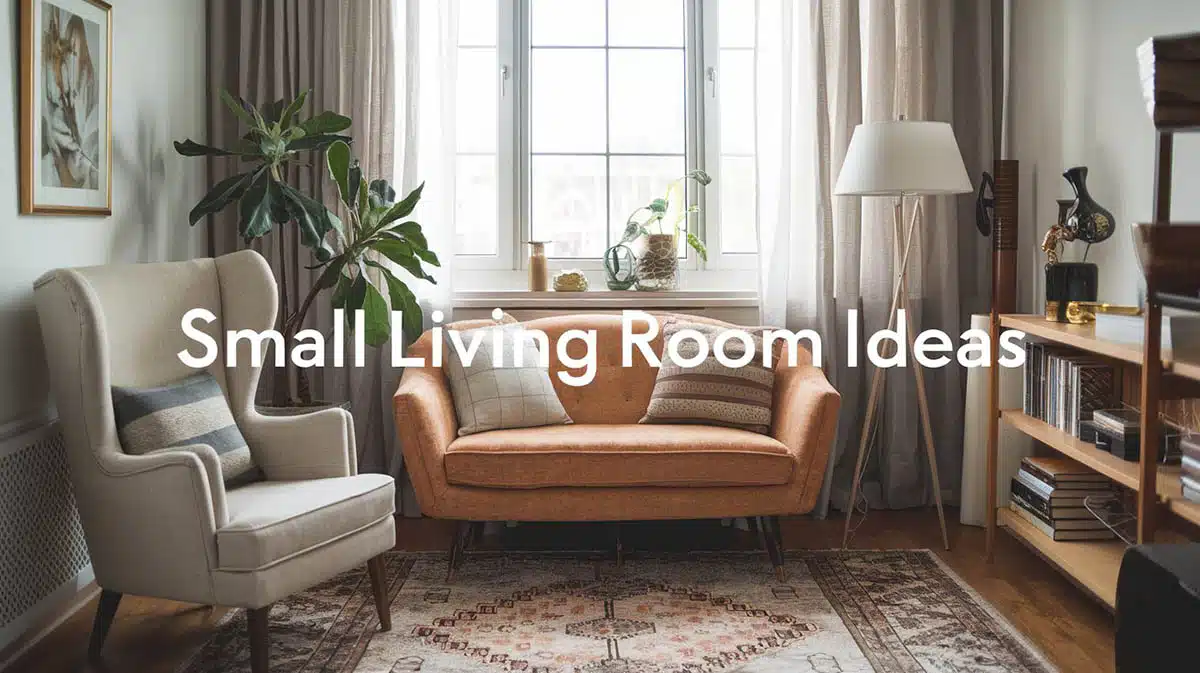
To make a small living room feel bigger you need to make the best use of the space available. In order to do that, we need to look at the dimensions or boundaries of your space – the floors and walls, ceilings and windows. Here are some small living room ideas and tips to help you maximize every inch of your space.
Designers don’t make a small living room feel bigger with one clever trick. They make a string of small calls that all push in the same direction. Here’s where the pros and the rest of us usually part ways.
| Design area | Common mistake | What a designer does | Why it works |
|---|---|---|---|
| Layout | Pushing every piece flat against the walls | Floats the seating into a tight group, even an inch off the wall | A pulled-in group reads as intentional and keeps a clear path to walk |
| Color palette | Three or four strong colors all fighting for attention | Light walls, two or three tones, color saved for pillows and art | Pale walls recede, so the room feels open instead of boxed in |
| Furniture scale | A big sectional, because it seats more people | A slim two- or three-seater plus one light accent chair | Right-sized pieces leave breathing room, which is what actually feels bigger |
| Furniture base | Skirted sofas and boxy pieces sitting right on the floor | Exposed legs and raised bases you can see underneath | Visible floor under furniture tricks the eye into reading more space |
| Lighting | One ceiling light doing all the work | Layered lamps and sconces at a few low levels | Light from several points adds depth and warmth a single bulb can’t |
| Storage | Bulky cabinets and units eating up the floor | Vertical and wall-mounted storage, floor to near the ceiling | Going up frees the floor and draws the eye higher, lifting the ceiling |
| Rugs | A small rug stranded in the middle of the room | A larger rug with the front legs of the seating resting on it | One anchored zone makes the room feel pulled together, not scattered |
| Window treatments | Heavy drapes that swallow the wall and block the light | Bare windows or sheer panels mounted high and wide | More daylight and taller-looking windows stretch the whole room |
| Mirrors | No mirror, or a tiny one tucked off in a corner | A large mirror placed across from the window | It bounces daylight and fakes a second window, doubling the openness |
| Styling | Lots of little knickknacks scattered on every surface | A few larger pieces, grouped, with empty space left alone | Negative space is a luxury in a small room, so let it breathe |
Tip: if you only change one thing, swap a single ceiling light for a couple of lamps and pull the sofa a few inches off the wall. Two quick moves, and the room already breathes easier.
Floors and Walls
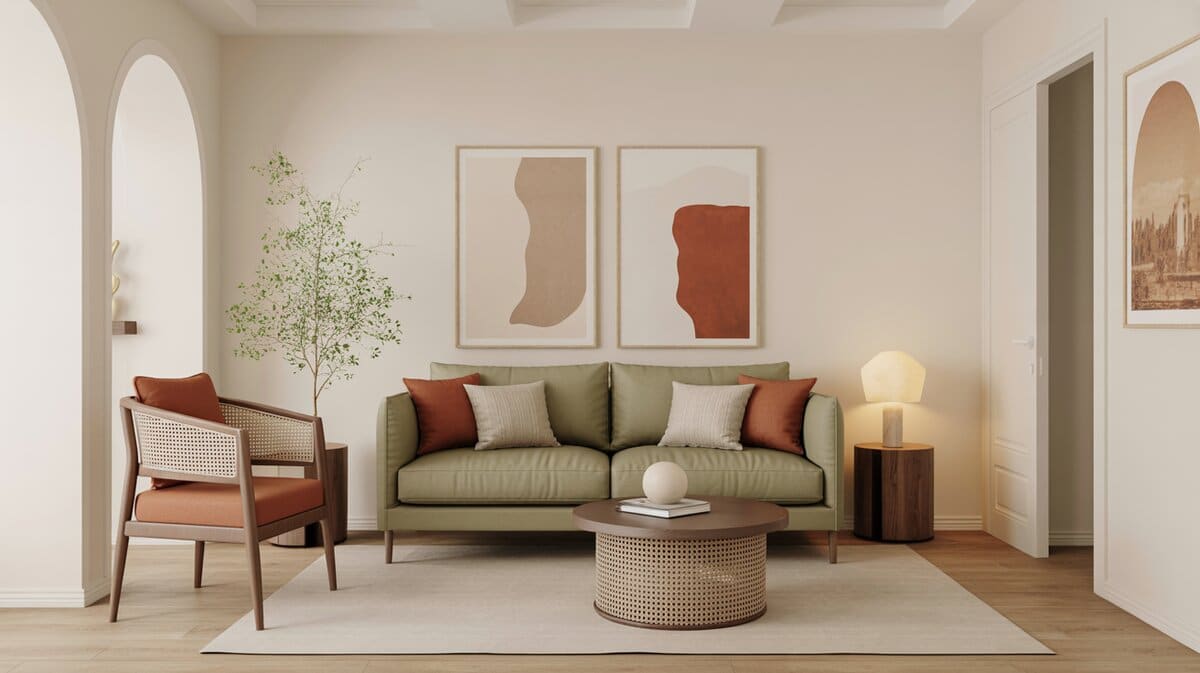
A basic rule to increase the feeling of spaciousness in a room is to use light colors. Painting your living room walls a light color to open up the space. Light colors for space goes for flooring too. Try to choose light colored flooring material such as light wood or pastel hued tiles. If your living room doesn’t have light flooring, you don’t have to rip it up, just place a light colored rug or rugs over it.
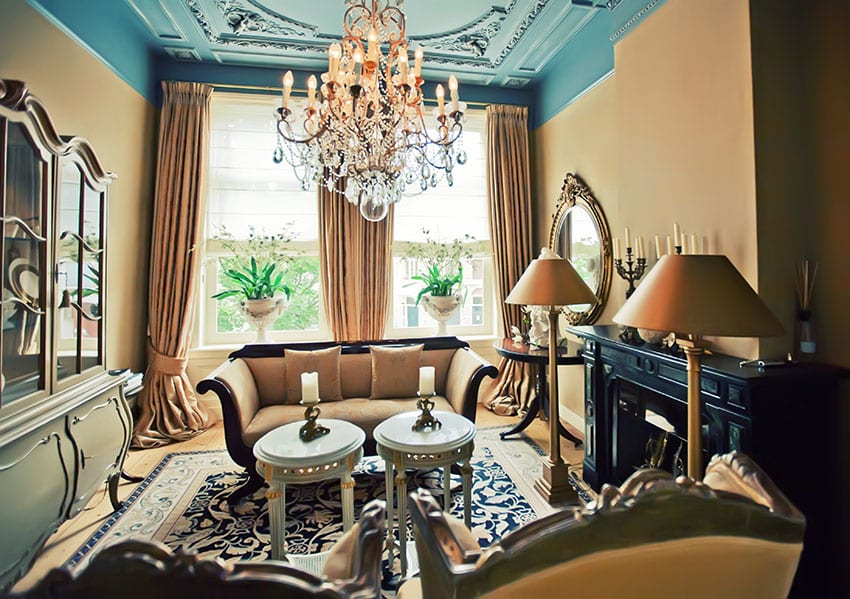
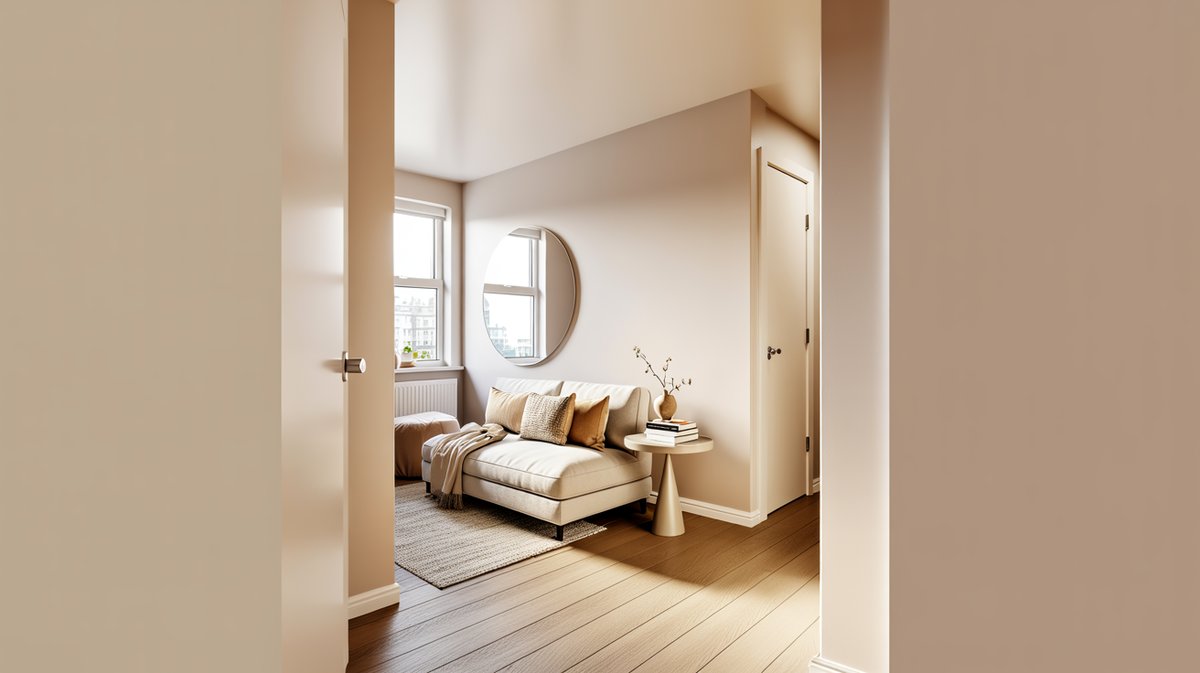
You can trick your eyes into seeing a more spacious room by using a mirror. A mirror on the wall reflects the room and increases the feeling of depth. Stripes can also make a room seem larger. Stripes that go the length of the room, along the floor or wall, can create an optical illusion that lengthens the room.
Ceilings
A high ceiling makes rooms feel and look airy and spacious. You can “fake” a high ceiling by drawing eyes upward. Try painting a bright color on your ceiling or paper it in wallpaper that has an interesting design or pattern. Make your ceiling interesting and eye-catching by adding decorative touches such elaborate crown molding, a decorative stripe of paint or wallpaper for ceiling trim or by hanging shelves and artwork near the ceiling.
Windows
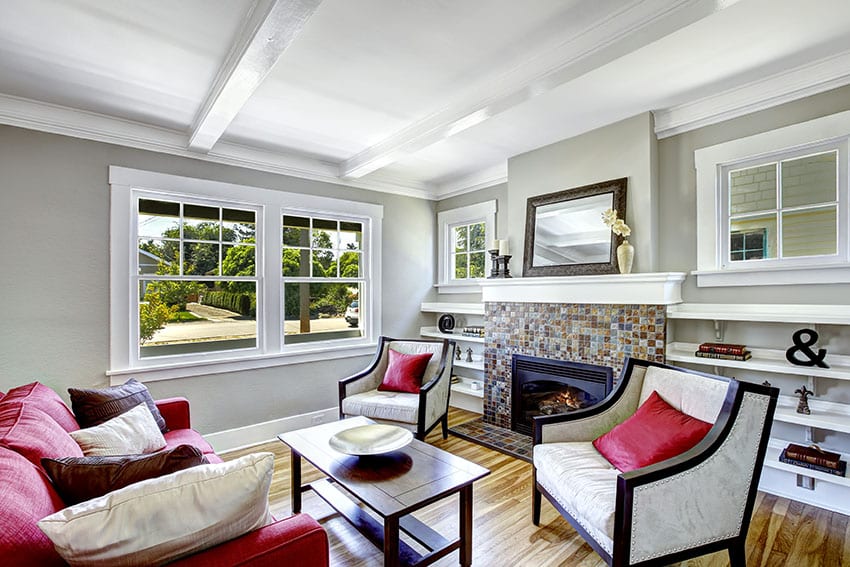
To make a small living room look bigger, you might want to forgo window treatments like curtains or drapes. By leaving your windows bare, you let in more light and this helps your space seem light and airy. If you don’t feel like bare windows, just keep things simple. Opt for simple blinds or shades instead of elaborate brocade curtains. Gauzy sheer curtains are a good option as they let the light in but still provide some privacy. Try having ceiling to floor curtains as these also draw the eyes upward for the illusion of extra space. Place a mirror across from your window. The mirror will reflect the view outside and give the impression of you having an extra window. After you’ve looked at your room’s dimension, take a look at the things that you place in your room, your color scheme, furniture and storage space.
Colors
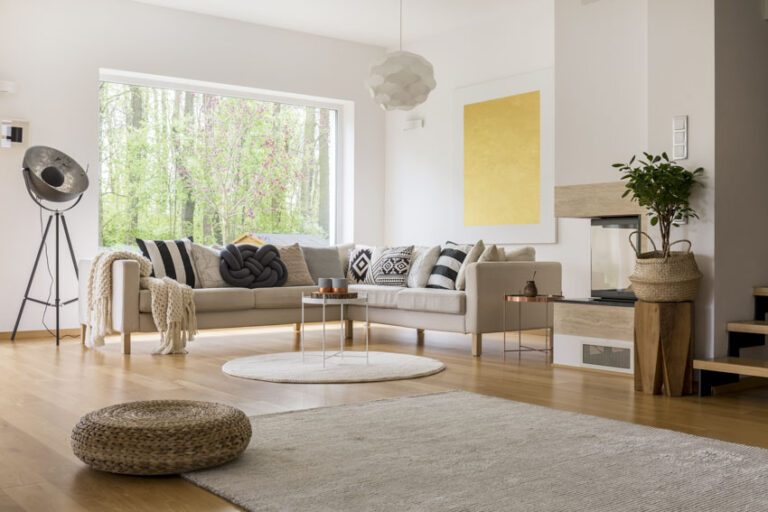
Light colors reflect light and this makes the space seem larger. Use pastels, neutrals and white to make your small living room look bigger. Stick to a palette of two or three colors as a cohesive color scheme lends an organized look to a tiny space. Try a monochromatic color scheme on the furniture, rugs and walls. Play with different shades of your chosen color in different patterns to keep things interesting.
Furniture
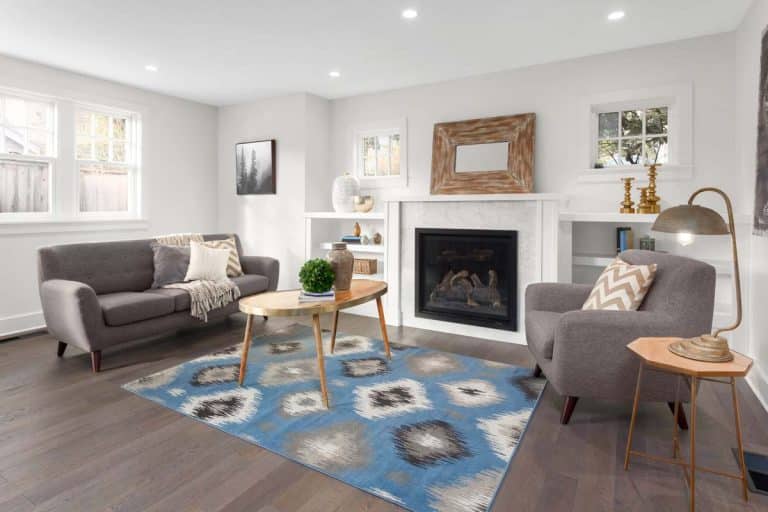
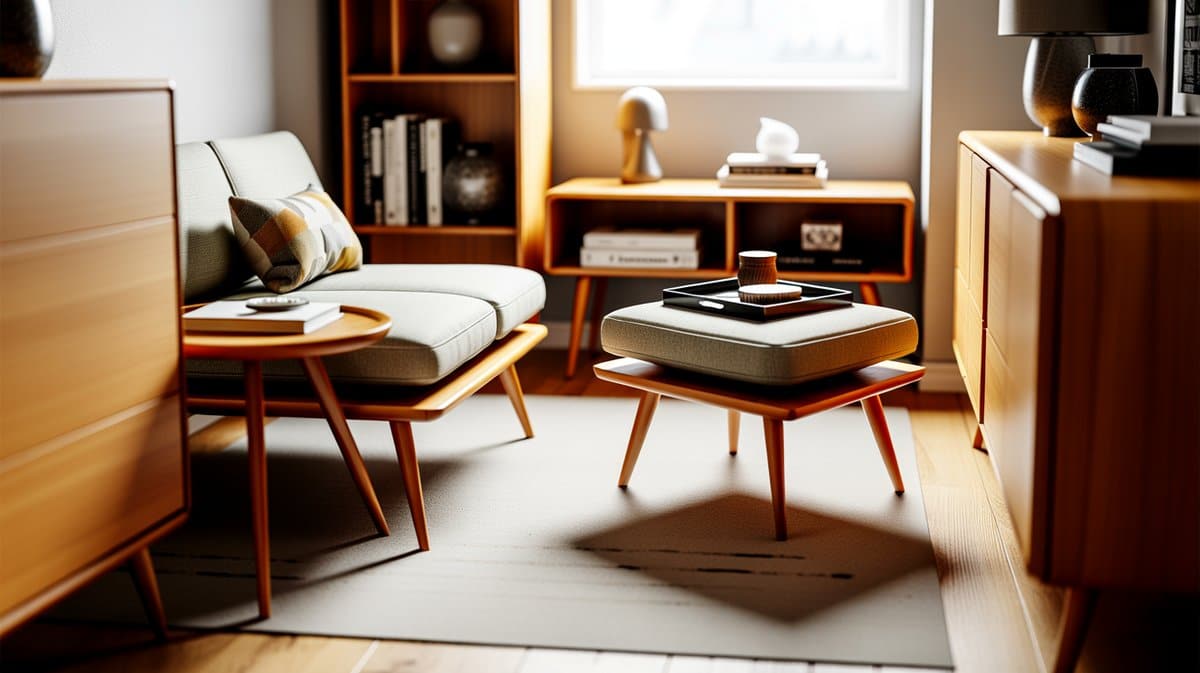
Avoid bulky furniture and opt for furniture with legs and open bottoms. When you can see the space beneath it creates a feeling of more space. Choose furniture pieces that can do double duty. Ottomans are great examples of this; they can serve as side tables and as seats. An antique trunk is something you can place things both on and in.
Storage space
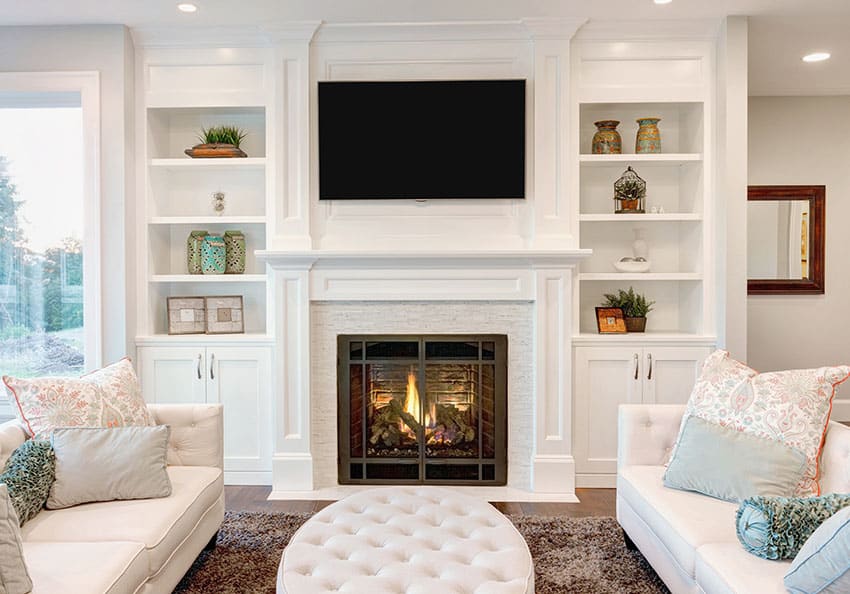
Vertical storage, such as floor to ceiling bookshelves, gives you storage space without taking up floor space. They also draw eyes upward and make ceilings seem higher. In-built storage, such as TV nooks, gives you out of the way storage space and keeps things uncluttered.
Lighting
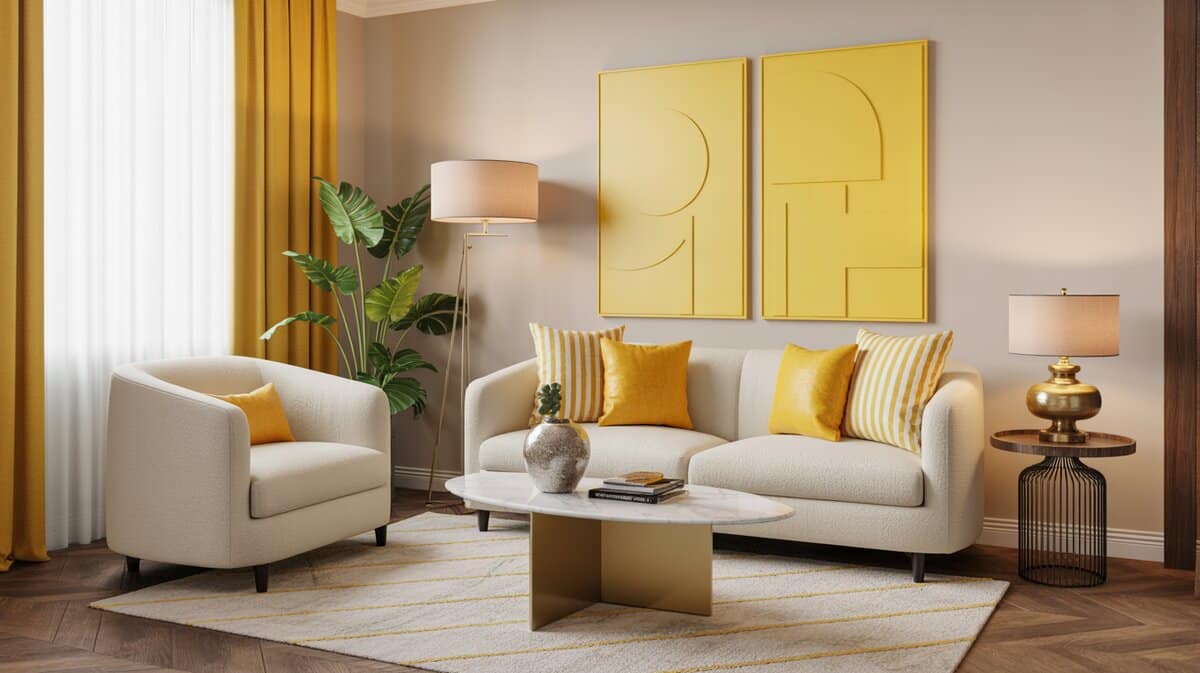
One overhead light flattens a small room and makes it feel like a waiting area. Spread the light out instead. A floor lamp in a dark corner, a small table lamp by the sofa, maybe a sconce. When light comes from a few low sources instead of one bright spot up top, the room feels deeper and a lot cozier. Lamps barely touch your floor space, too.
Clear and Acrylic Furniture
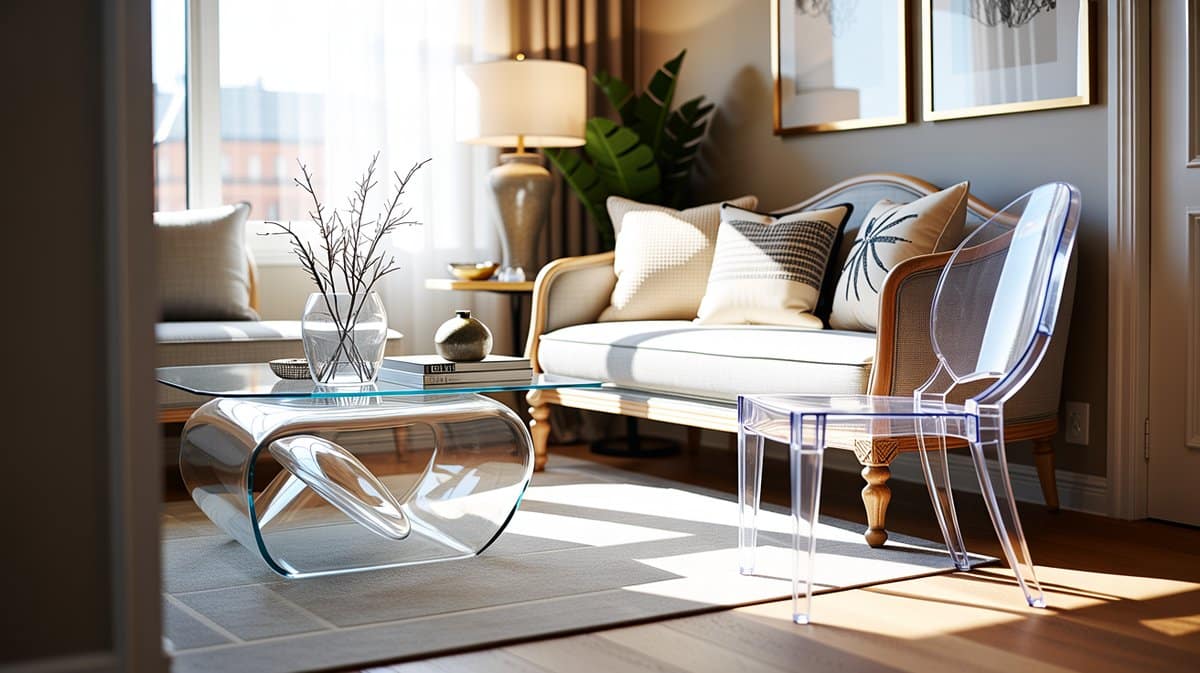
A bulky coffee table eats a small room alive. Swap it for glass or clear acrylic. Your eye travels straight through it, so the floor still reads as open even with a table sitting right there. A clear accent chair pulls the same trick. It’s there when you need a seat and nearly disappears when you don’t.
Wall-Mounted Storage
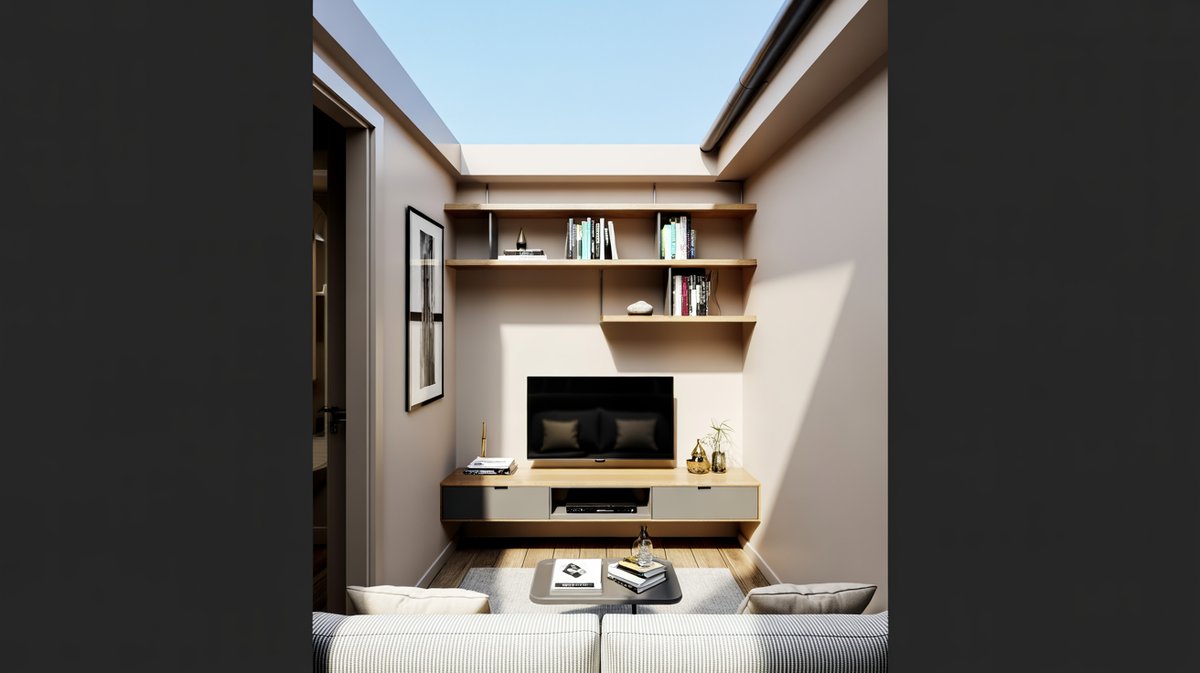
Anything you hang on the wall is floor space you get back. A floating console under the TV, a few slim shelves for books and odds and ends, all of it keeps the ground clear. And clear floor is the whole game in a small room. The more bare floor you can see, the bigger it feels.
Plants and Greenery
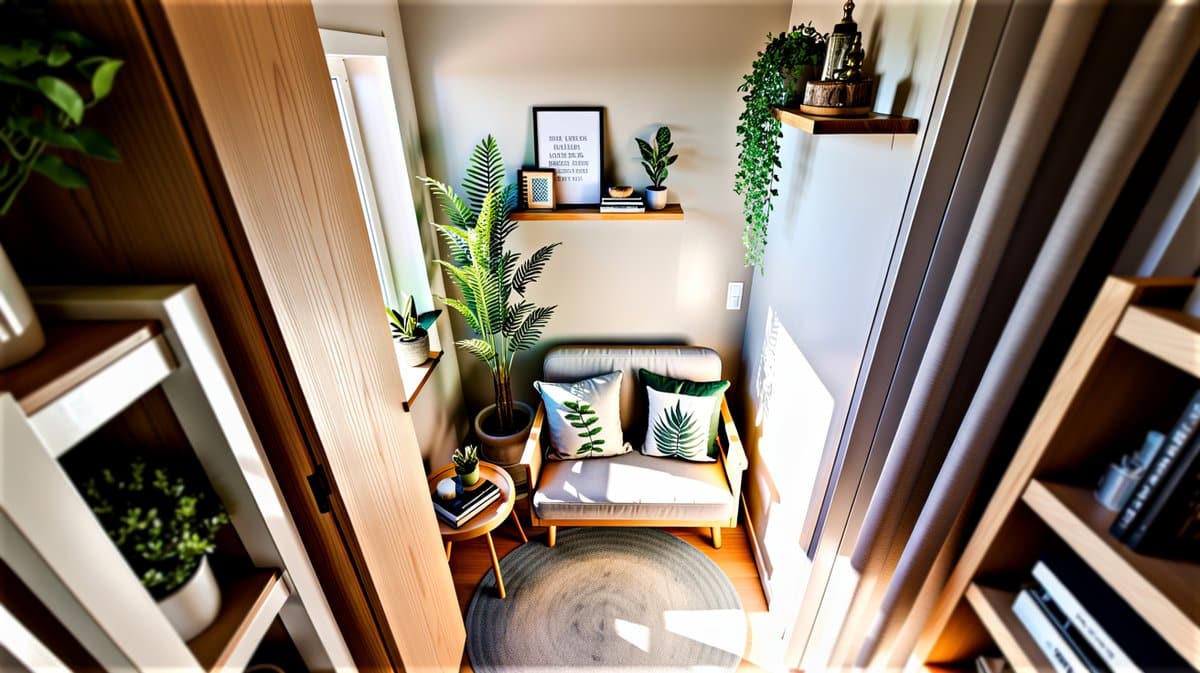
Plants warm up a small room without crowding it. A tall one in an empty corner draws the eye up and adds a little life. Smaller pots tuck onto a shelf or side table where there’s room to spare. Keep it to a few, though. A jungle in a tiny room just reads as clutter.
Area Rugs
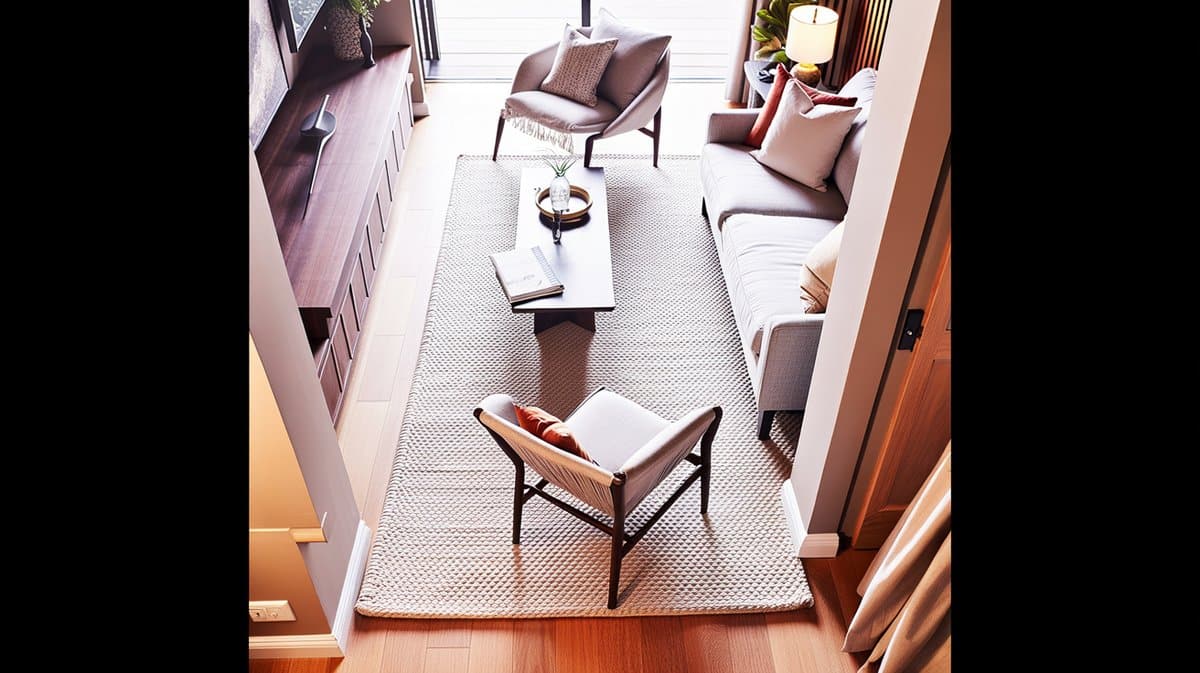
A rug that’s too small makes everything around it look like it’s floating. Go bigger than feels natural. You want the front legs of the sofa and chairs sitting on it, which ties the seating area into one zone. In a small room, that bit of definition makes the space feel intentional instead of cramped.
We hope these small living room ideas can help you get more space out of your interior designs. What techniques work best for you for creating a larger living room space? As always we’d love to hear your comments on our Facebook page.
Related Interior Design Galleries You May Like:
Beautiful Living Room Designs – Small Bathroom Ideas
To showcase highly specific designs, some images on this website use advanced AI-generation software to illustrate ideas and room inspiration. See our editorial policy to learn more.