Best Architectural Styles for Small Homes & Tight Budgets

If you’re looking for small-footprint style home inspiration that doesn’t blow the budget, we’ve got a collection you’ll enjoy. This round-up features the best architectural styles for small homes, detailing the elements that give them their specific design and how you can get similar results. You’ll find out info like the build cost, the size of the lot you need, how much you’ll spend on materials, and all the little things to do to get the look.
The small home styles, at a glance
For a quick rundown of what’s covered, here’s the shortlist showing the most popular house designs with more detail for each below.
- Tiny house for true minimalists and mobile lifestyles.
- Barndominium for rural lots and a lot of space per dollar.
- Container home for fast builds and a distinctly modern look.
- ADU for backyards you already own.
- Pole barn house for flexible interiors on a simple steel frame.
- Modular or manufactured home for the lowest per-square-foot build cost.
- Geodesic dome for the lowest heating bill you’ll ever see.
- Micro apartment for urban renters and city dwellers.
- Cabin for wooded lots and weekend builders.
What actually drives the home’s cost
Before the style choice, it helps to know what your money goes toward in a small build. These are the three things that make up the biggest part of the bill:
- Foundation and site work. Slab on grade is the cheapest. Crawlspaces add cost but help with maintenance. Full basements add high cost, but steep lots add even more.
- Plumbing and electrical runs. Two bathrooms cost almost double that of one. Long runs from the main electrical panel cost more than shorter ones.
- Materials can add a lot to the total price. The same 600 square feet can come in at $75K or $225K, depending on your selection of countertops, flooring, and cabinets. Make sure you shop around and look for lower-priced options if you are more cost-conscious.
Here’s how the styles stack up to help you narrow down your options.
1. Tiny house
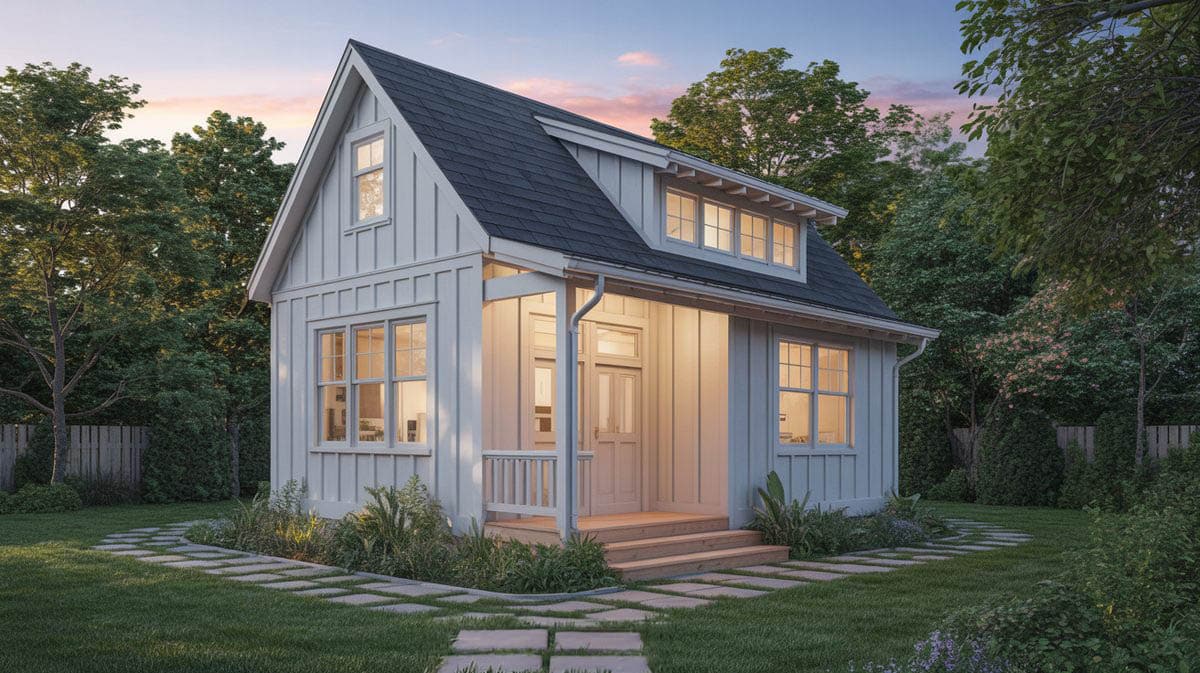
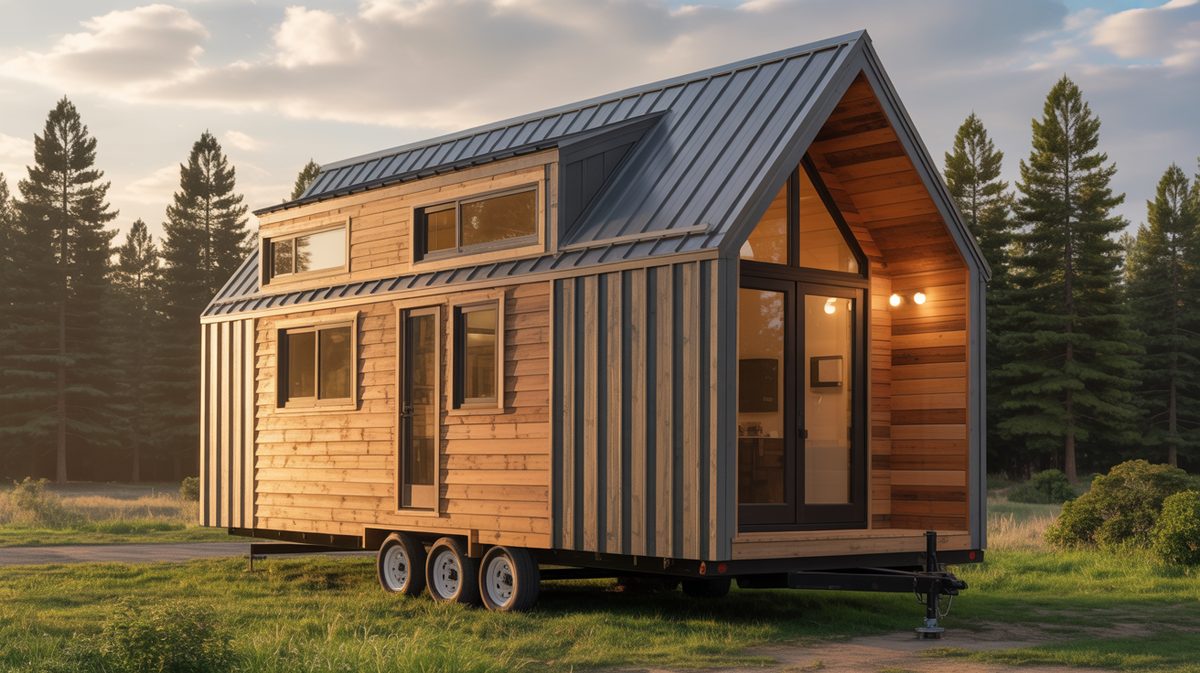
A tiny house is usually under 400 square feet of living space, often on a trailer, and built around the idea that you can move it wherever or whenever you need to. The total cost runs anywhere from $30K for a self-build, up to $90K for a finished pro build.
- Why it fits a tight budget: small footprint means small bill. Less foundation, less roof, less framing, less drywall, less paint.
- Best for: solo dwellers, couples, people who want to move into a house with them, or a backyard guest space.
- Watch out for: A lot of municipalities still don’t allow them as a primary dwelling. Storage is also a real issue. Standard tiny-house dimensions and smart layout ideas make or break it.
- The catch nobody mentions: the per-square-foot cost is actually high. You’re paying full kitchen-and-bath prices on a small canvas. Worth knowing the hidden costs of tiny-house living before you commit.
- Variant worth looking at: the A-frame tiny house. The steep roof doubles as the wall, which cuts material cost and sheds snow without trying. Pros and cons of A-frame houses covers the trade-offs.
2. Barndominium
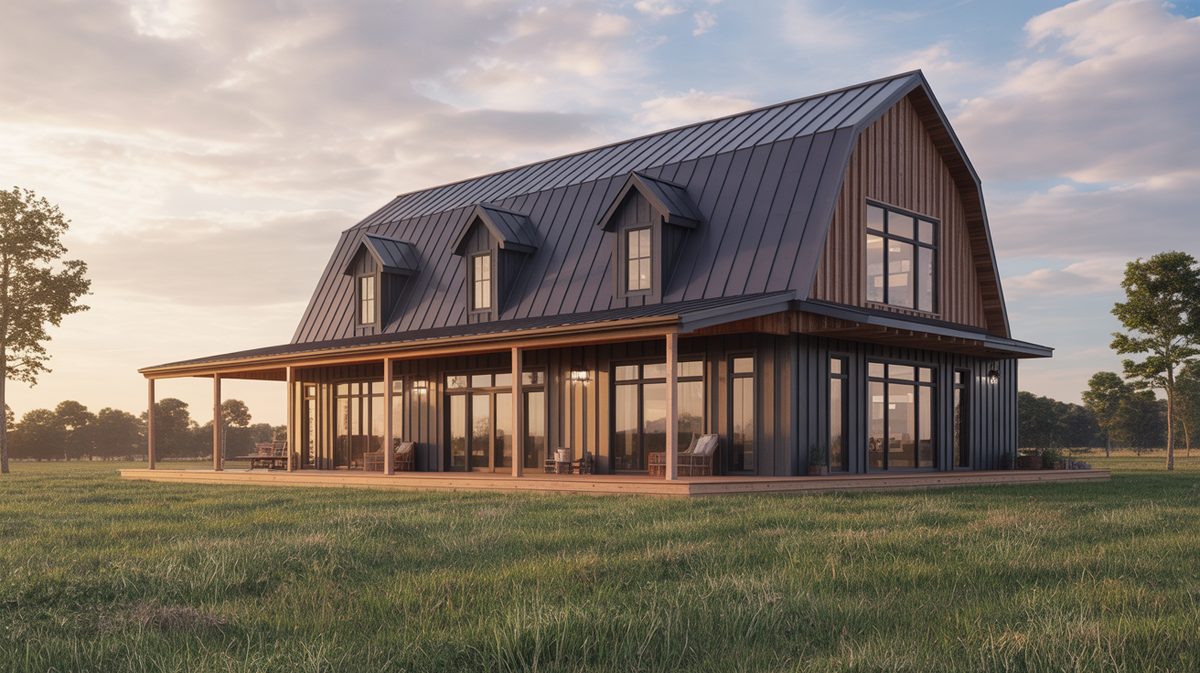
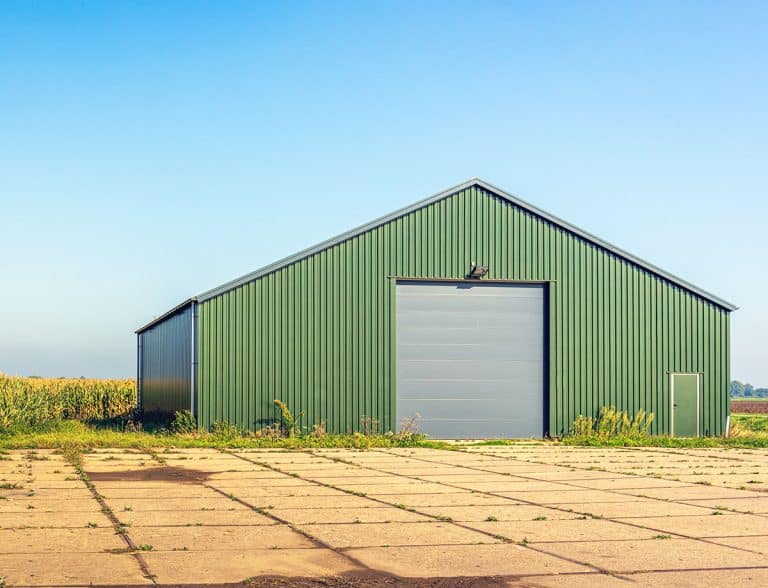
A barndominium is a metal-frame barn structure finished as a home. It’s much less expensive to build compared with a traditional home, but the lifespan is also much shorter. It typically features an open span, no interior load-bearing walls, and a simple hip roof. Cost per square foot is genuinely low, often $95 to $150 finished, and you get a lot of room.
- Why it fits a tight budget: steel shell goes up fast and cheaply. A big open interior means you can finish in stages.
- Best for: rural and semi-rural lots. Families who want a workshop or garage attached. Anyone who likes the modern-farmhouse look.
- Watch out for: A lot of conventional lenders don’t do what they call barndos. Check with your lending provider before you fall in love. The full pros and cons breakdown is worth a read.
- Compare it head-to-head: the barndominium vs traditional house comparison shows where each one wins.
- Plan ideas: a wrap-around porch barndo plan or a modern 2-bedroom suite plan are good starting points. Use barndominium design software to mock it up before you commit.
3. Container home
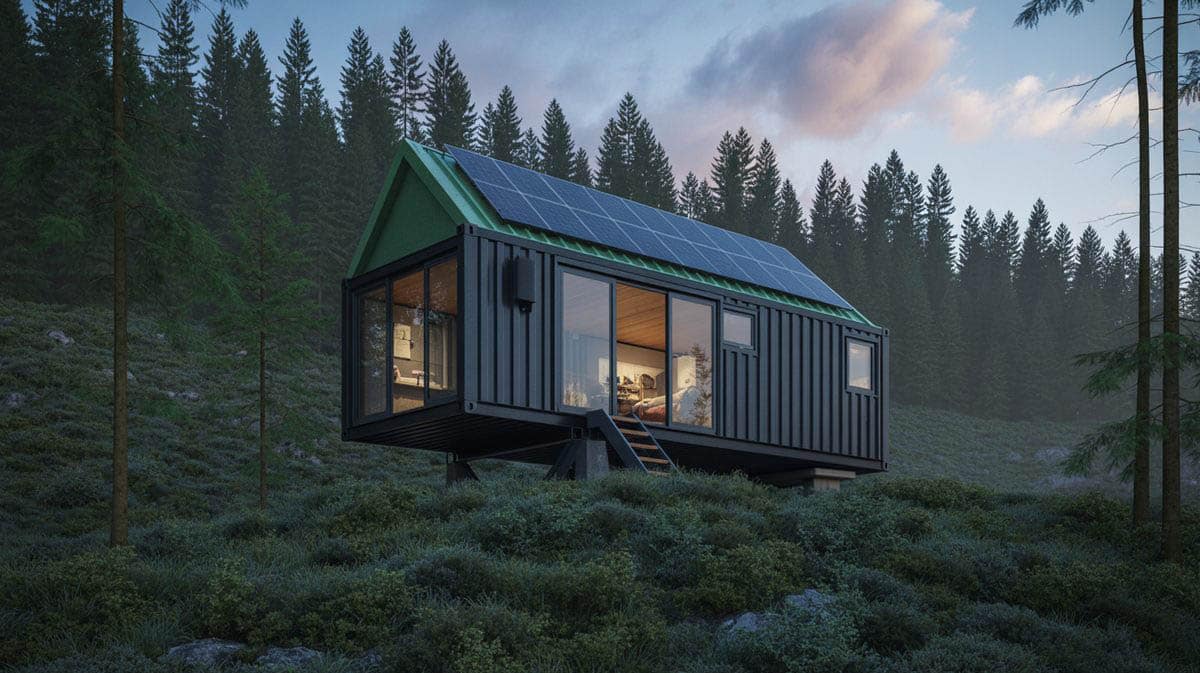
A container home uses one or more shipping containers as the structural exterior. The frame is already built, so it’s substantially cheaper, but you’re still paying for cuts, insulation, interior framing, and finishes.
- Why it fits a tight budget: shell cost is fixed and low. A used 40-foot container runs $3K to $5K. Stack two, and you have a 640 square-foot home before you’ve poured a slab.
- Best for: modern looks. Off-grid sites. Anyone who wants a fast build that ships pre-assembled.
- Watch out for: insulation is non-negotiable. Steel boxes are saunas in summer and freezers in winter without spray foam. Cutting too many openings weakens the structure.
- Tiny-style hybrid: the shipping container tiny home build merges the two playbooks. Helpful to know standard container sizes before you start planning rooms.
- Modular cousin: the expandable container house folds out to triple the floor space. Useful if you want flexibility later.
4. ADU (Accessory Dwelling Unit)
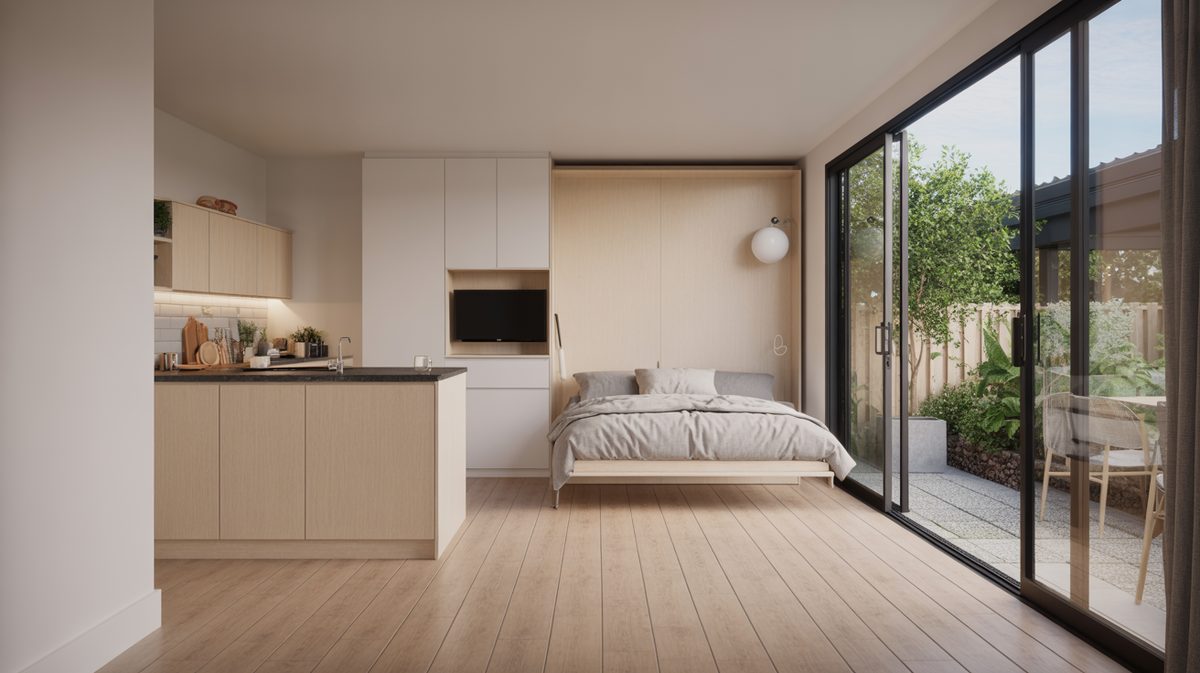
An ADU stands for accessory dwelling unit and is often used as a second small dwelling on a property that already has a main house. It could be a backyard cottage, a garage conversion, or an attached in-law suite, and it usually is 400 to 1,200 square feet in size.
- Why it fits a tight budget: you already own the land. No lot purchase. Often shares utilities with the main house, which cuts hookup costs.
- Best for: homeowners who want rental income, multigenerational living, or a place for a grown kid to start out. Also, the fastest path to a “small home” is if you already own a yard.
- Watch out for: local rules vary wildly. Some cities have made ADUs nearly automatic. Others still treat them as a full new-construction permit. Check your zoning first, not last.
- The real lever: if you have a detached garage, converting it is usually the cheapest ADU you can build. The shell, roof, and slab are already there.
5. Pole barn house
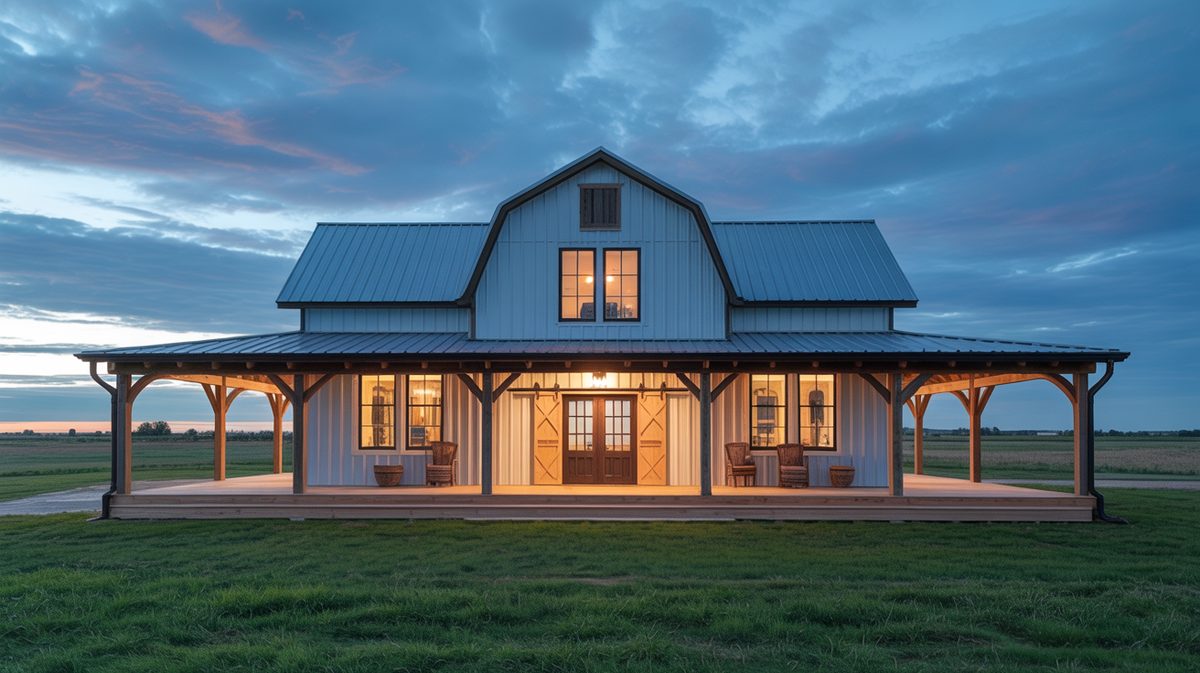
A pole barn house uses large vertical posts (poles) as the structural skeleton instead of traditional stud walls. The roof spans between them, and you can often buy them as a kit and finish the inside however you want.
- Why it fits a tight budget: fewer materials than stick framing. The poles are the structure, the walls, and the foundation footings, all in one. Typical pole barn sizes run from 30×40 up to 60×80, and bigger doesn’t cost much more per square foot.
- Best for: rural lots. Anyone who wants tall ceilings, large open spans, or a workshop attached to living space.
- Watch out for: it looks like a barn from the outside. That’s a feature for some buyers and a non-starter for others. Resale can be slower in suburban markets.
6. Modular & manufactured homes
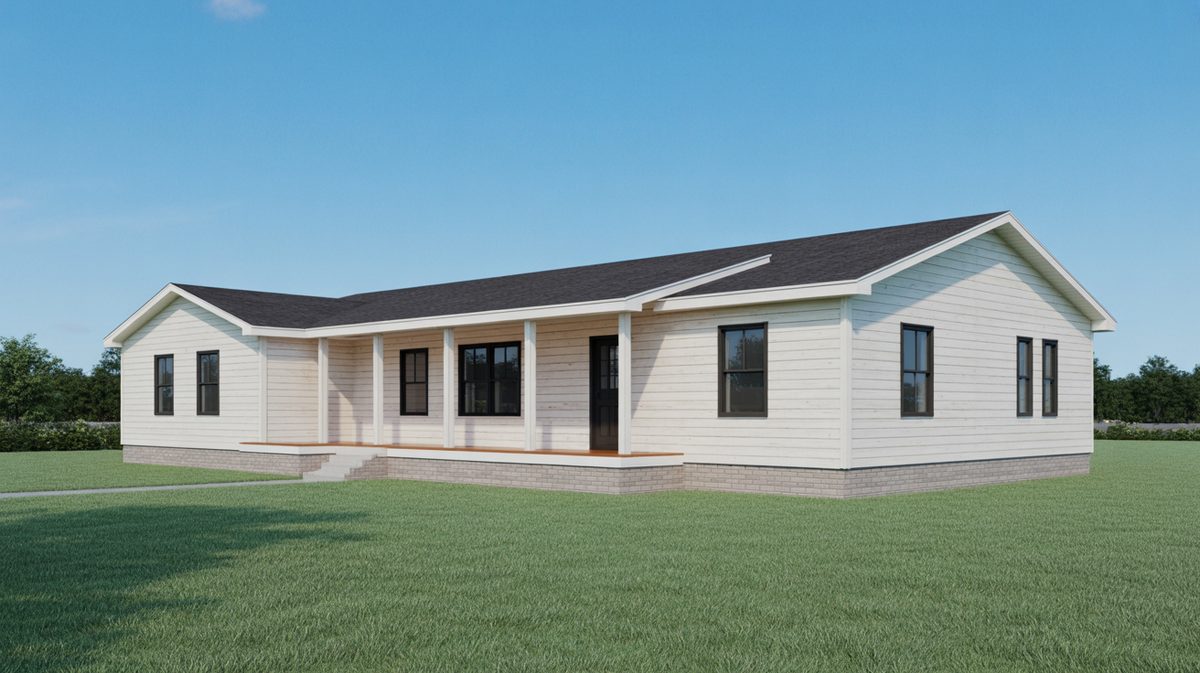
The modular vs manufactured distinction matters more than people realize. A modular design is built to local code in a factory, then assembled on a permanent foundation. Manufactured (think, the old “mobile home”) is built to the federal HUD code on a steel chassis.
- Why it fits a tight budget: factory builds skip weather delays and waste. Cost per square foot is the lowest of any style on this list.
- Best for: first-time buyers. Rural and semi-rural lots. Anyone who wants a 3-bedroom small home in under six months from order to keys.
- Watch out for: manufactured homes depreciate. Modular homes hold value like site-built. Lenders treat them differently. The financing path matters as much as the build cost.
- Style options: a ranch-style modular is the most common path. Mobile home sizes cover the standard footprints.
7. Geodesic dome
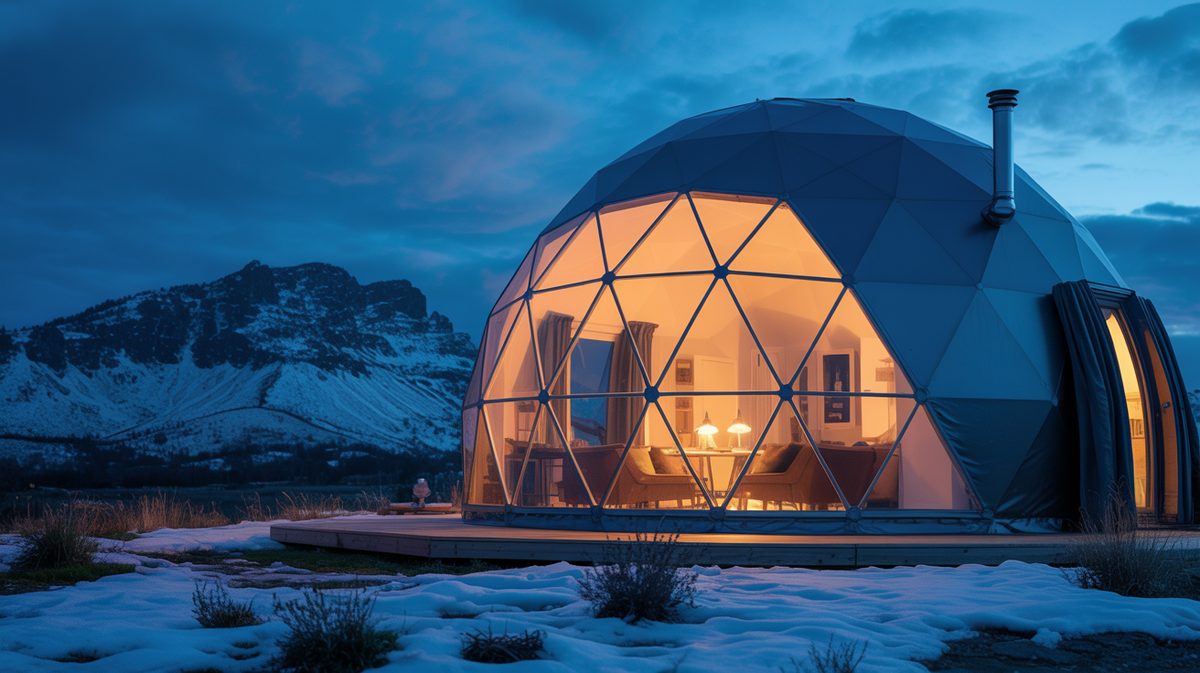
A geodesic dome house is a spherical shell made of interlocking triangles. The shape encloses the most volume with the least surface area, which is a structural engineering fact, not just a marketing claim. Many of these have addon structures that stick out from the primary structure.
- Why it fits a tight budget: less surface area means less material. Heating and cooling bills drop by 30 percent or more compared to a similarly sized rectangular house. Kit prices for the shell start around $25K.
- Best for: people who want long-term energy savings and don’t mind unconventional. Strong in earthquake and high-wind zones.
- Watch out for: resale is unpredictable. Furniture layout is harder against curved walls. Finding contractors who’ve built one before takes effort.
8. Micro apartment
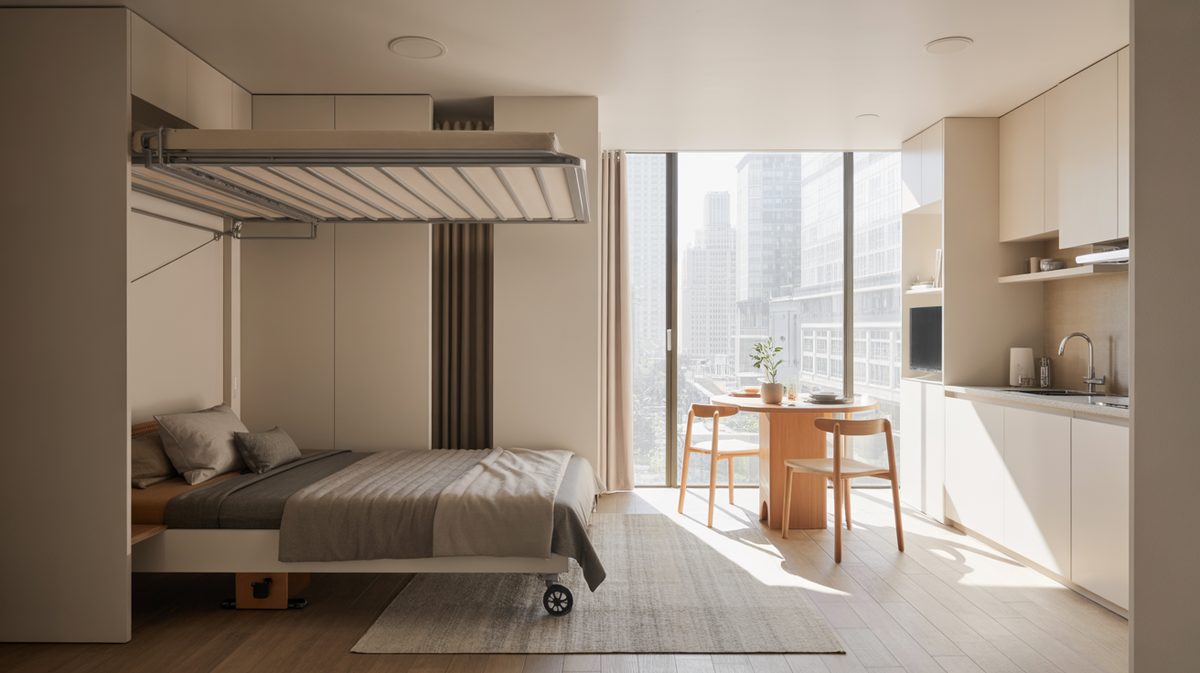
A modern micro apartment is usually 250 to 400 square feet, and is designed for tight-spaced city living. If you’re renting or buying into a building, not building from scratch, these are already in place as a budget option. The “budget” angle here is its monthly cost, not its construction cost.
- Why it fits a tight budget: lowest urban cost of entry. A smaller unit means lower rent or mortgage in the same building.
- Best for: urban renters. Young professionals. Anyone who wants city access more than they want square footage.
- Watch out for: storage is brutal. You’ll need multipurpose furniture and a real commitment to less stuff. A studio apartment isn’t the same thing, but the 400 sq ft studio layout playbook translates well.
9. Cabin
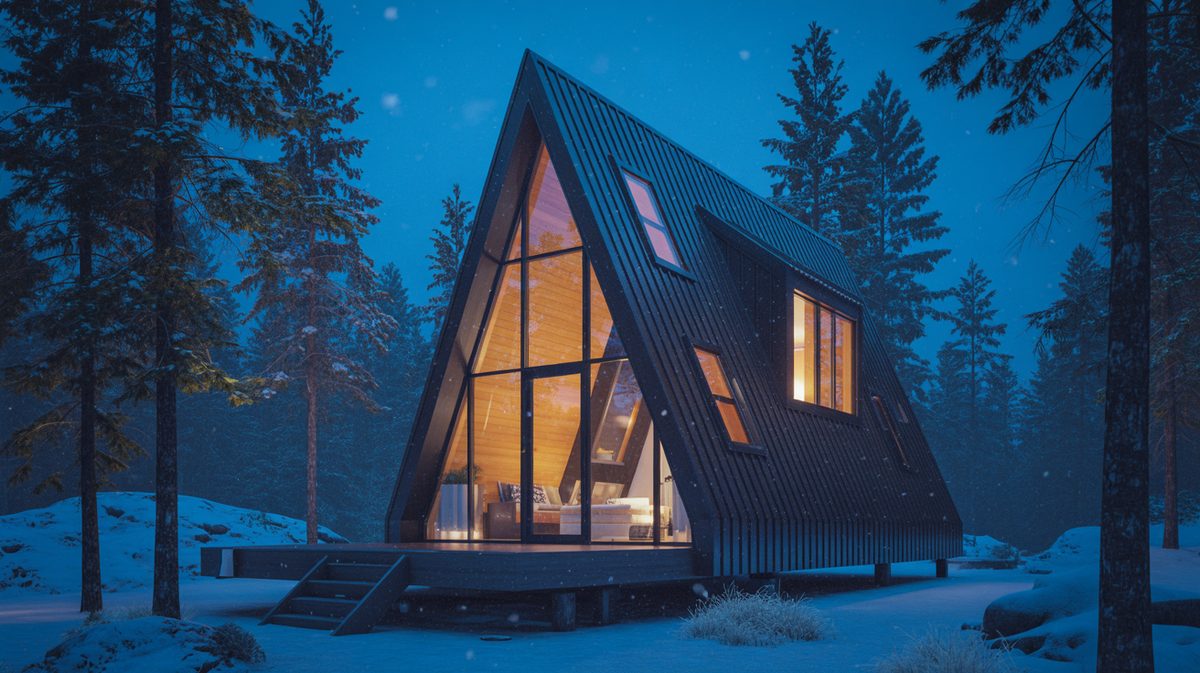
A small cabin is the oldest budget small-home option in the book. They can be constructed as a log, timber-frame, or stick-built design with wood siding. They usually span 400 to 800 square feet.
- Why it fits a tight budget: the materials are local in most parts of the country. Kit cabins start around $30K. Self-build is genuinely doable with basic carpentry skills.
- Best for: wooded lots. Weekend places. Off-grid setups. People who want something that looks like it grew out of the site.
- Watch out for: log walls need annual maintenance. Sealing and staining aren’t optional; if you skip these, you’re most likely looking at rot in five years.
How to pick yours
If you’re torn deciding between these options, the right one usually comes down to your lot size, budget, timeline, and willingness to deal with local permits.
- You already own land with a house on it: build an ADU. Don’t overthink it.
- You’re buying rural land: barndominium, pole barn house, or modular. Pick based on the look you want.
- You want it built fast: container home or modular. Both can be on-site in under three months.
- You want the lowest monthly cost forever: geodesic dome. The heating bill alone will pay you back over time.
- You want to move the house with you: tiny house on a trailer. Just check the zoning where you plan to park it.
- You’re staying in the city: micro apartment. The math doesn’t favor building anything else in an urban core.
- You’re a weekend builder with a wooded lot: The most rewarding self-build on this list.
The honest bottom line
Choosing a tight-budget small home is all about matching the style to the situation. Building a barndominium on a city lot is a waste, while designing a geodesic dome in a snobby HOA is a fight you might not want to take. A tiny house parked illegally can turn into a bigger headache. But put each of these in the right setting and they’re some of the best per-dollar housing you can build in this country right now.
To showcase highly specific designs, some images on this website use advanced AI-generation software to illustrate ideas and room inspiration. See our editorial policy to learn more.