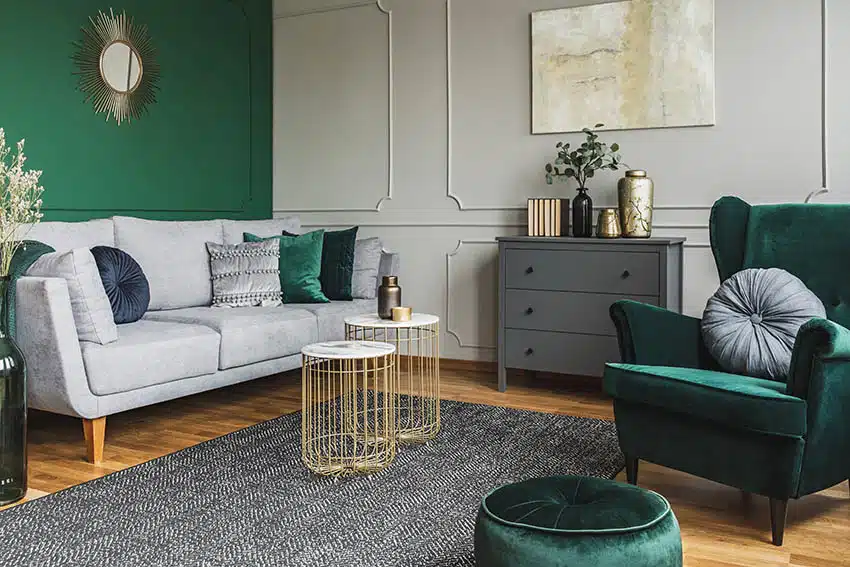
Create a Modern Coastal Calm Look With This Living Room Color Palette

There’s no doubt that having a coastal-style living room is soothing, evoking the gentle rhythm of waves, the warmth of the sun, the feel of sand, and the endless horizon where the sky meets the sea. But you don’t necessarily need an oceanfront address to bring that sense of calm into your own home. With the right color palette, you can transform your living room into a modern coastal retreat that feels both sophisticated and inviting. This modern coastal calm color palette provides just the right arrangement of hues to give you a fresh, breezy theme inspired by sand, sea, and soft natural light.
Complete Modern Coastal Calm Color Palette
This curated five-color palette draws inspiration from nature’s most peaceful coastal elements, promoting a space that offers tranquility without relying on nautical clichés for a more stylish look. Whether you’re starting from scratch or refreshing your current space, these colors work together to establish a modern feel with a coastal vibe. Disclaimer: This color palette was created with AI assistance. Please verify all hues against physical paint samples in your own space before use.

Upload a photo and get instant before-and-after room designs.
No design experience needed — join 2.39 million+ happy users.
👉 Try the AI design tool now

Colors & How to Use Them
- Soft Sand — #E8DCC3 – Use for: Main wall color to create a warm, airy neutral base.
- Seafoam Mist — #B6D8C0 – Use for: Accent chair, throw pillows, or a rug to add soft coastal freshness.
- Ocean Depth — #3B6A75 – Use for: A statement wall, built-ins, or artwork to provide contrast for balance.
- Driftwood — #9C8C7C – Use for: Coffee tables, shelving, and wood furniture finishes.
- Whitecap — #F7F5F2 – Use for: Trim, ceiling, and curtains to keep the color palette crisp and bright.
Main Wall Color in Soft Sand #E8DCC3
Use for: Main wall color
The soft sand, hex code shade #E8DCC3, serves as the warm and welcoming foundation of this color palette. This creamy beige tone has subtle golden undertones reminiscent of the color of sun-warmed sand. Unlike a more traditionally modern stark white or cool gray, a sand backdrop provides warmth without overwhelming the senses. This makes it the perfect backdrop for your coastal-inspired living room.

Why it works: This hue reflects natural light, creating a light and airy atmosphere that changes subtly throughout the day. It’s neutral enough to pair with almost any accent color while keeping its coastal character. The slight warmth prevents the room from feeling cold or sterile, which can happen with purely cool-toned palettes.
Application tips: Use the tone on your main walls and pair it with plenty of natural light, and keep window treatments minimal to maximize a coastal feel. This color works particularly well in rooms with a soft white trim, as the contrast creates crisp lines without any harsh visual breaks.
Accent Colors in Seafoam Mist #B6D8C0

Use for: Accent chair, throw pillows, or area rugs
I call the shade Seafoam Mist since it’s a soft, muted green with aquatic undertones that recall shallow coastal waters on a calm day. This isn’t one of those bright, saturated seafoam hues of the 1950s; it’s a modern, sophisticated take that adds visual interest while promoting the feeling of serenity.
Why it works: Green is psychologically calming and connects us with nature. This makes it ideal for spaces designed for relaxation, and its muted quality prevents it from competing with other elements. Its hue gives it a gentle pop of color that draws the eye without demanding too much attention.
Application tips: Introduce this color through textiles and furniture upholstery to get the most impact. You can consider using it on a velvet or linen accent chair to become a focal point that invites you to sit and stay. Layer in coordinating throw pillows across your sofa, with a matching textured rug to layer it in. The beauty of this as an accent is that you can easily adjust the intensity by adding more pillows for an even bolder statement or using fewer for subtle hints of color.
Statement Wall, Built-in or Art Frames in Ocean Depth #3B6A75

Use for: Statement wall, built-in cabinetry, or artwork frames
Every calm palette needs an anchor, and this sophisticated teal-blue shade does that by bringing the drama and depth of deeper waters. This creates visual interest and contrast and prevents the palette from feeling too soft, without appearing too dark or moody.
Why it works: The deep blue shade creates contrast that makes the lighter colors in your palette shine. It adds complexity and sophistication that elevates the entire room and also provides grounding. This creates a spot for the eye to rest among the room’s lighter tones.
Application tips: Consider painting one statement wall in the shade, particularly behind a sofa or entertainment center, where it can serve as a backdrop when combined with lighter furniture and décor. Alternatively, use this color on built-in shelving or built-in cabinets to build depth in the space. If you’re hesitant about committing to a full wall, you can introduce the hue in a large artwork, or even painted furniture pieces like a media console or bookshelf.
Furniture and Shelving in Driftwood #9C8C7C

Use for: Coffee tables, shelving, and wood furniture finishes
The driftwood tone is the natural connector in this palette and gives a weathered, grayish-brown appearance like sun-bleached timber that’s been washed ashore. This earthy neutral adds organic warmth and texture, and offers a nice middle ground between the other cooler and warmer tones.
Why it works: Wood tones are essential to creating a space that feels grounded and livable rather than overly styled. This driftwood style hue is neither too warm nor too cool and harmonizes perfectly with both the sandy warmth of the walls and the coolness of the blue-green accents. It adds visual weight without being overly heavy, creating balance in an otherwise light palette.
Application tips: Look for furniture pieces with natural wood finishes in this tone or even consider refinishing pieces for a weathered look. A substantial coffee table in this driftwood tone becomes a functional centerpiece. You can also use it with floating shelves or a console table in this finish, adding architectural interest. Mix wood finishes throughout the room for the nightstands, picture frames, and decorative bowls as decor to create an organic feel. For a more curated approach, combine driftwood-toned pieces with lighter bleached woods or natural rattan to add some variety.
Trim, Ceiling and Curtains in Whitecap #F7F5F2

Use for: Trim, ceiling, and sheer curtains
This white tone is your palette’s crisp, clean accent that gives a soft white feel with the faintest warm undertone that prevents it from reading stark. Named for the foam atop ocean waves, this near-white keeps your coastal palette feeling fresh and open.
Why it works: While sand tones provide the warm neutral base, this soft white offers the crisp contrast that defines the architectural elements and reflects light. This contributes to that sought-after airy, breezy atmosphere that you want. The subtle warmth ensures it coordinates with the sand tones.
Application tips: Use a soft white on all the trim work, baseboards, crown molding, window and door casings to create clean architectural lines. Paint your ceiling in the same hue to maximize light reflection and create the illusion of height. You can use it on your window treatments, and add sheer linen curtains in this hue to filter light softly and give privacy. It also works beautifully for larger furniture pieces like slipcovered sofas, which provide a neutral foundation for placing your colorful accent pillows.
Bringing All Of The Living Room Colors Together
The magic of this palette lies in its careful balance of warm and cool, light and grounded, neutral and vibrant colors. Here’s how to combine these colors for the maximum amount of impact:
The 60-30-10 Rule: Apply the sand color to roughly 60% of the room (walls). Add the driftwood and seafoam hues to 30% (furniture and larger accents), and the ocean shade to 10% (statement pieces and smaller accents). Finally, use the soft white threads throughout as trim, ceiling, and window treatments.
Layer Textures: The modern coastal style thrives on texture, combining smooth painted surfaces with raised linen, smooth leather, nubby throw pillows, sleek wood, and woven baskets. This tactile variety prevents having just a monochromatic palette that feels flat.
Embrace Natural Materials: Beyond the color, target the coastal theme by going with natural materials that reinforce the design. Use jute rugs, linen upholstery, ceramic vessels, live plants, and a generous amount of wood elements to add authenticity and depth. Make sure the wood furniture you use has a visible grain and a matte or satin finish, instead of the traditionally modern high-gloss lacquer.
Control Your Whites: Use the soft white consistently throughout rather than mixing various whites and off-whites, which can make the room feel disjointed. This creates cohesion and allows your intentional color choices to shine through.
Let Light Lead: This palette is designed to work with natural light, so keep windows unobstructed whenever possible. Use mirrors to bounce light around, and choose light fixtures that complement rather than compete with your colors.
Best For
This modern coastal calm palette works beautifully for:
- A relaxed, lived-in living room ambiance that focuses on comfort and serenity over formality.
- Bright spaces with good natural light where the colors can shift and glow during the day.
- Open floor plans where cohesion between spaces matters.
- Anyone seeking a soft coastal vibe without nautical clichés with no obnoxious anchors, rope, or ship wheels to be seen.
- Homes in any climate looking to capture that breezy, vacation-at-home feeling year-round.
How To Use Color Hex Codes
Paint stores: Bring the hex code to any major paint retailer like Sherwin-Williams, Benjamin Moore, or Behr. They can match it using their color-matching technology, even if it’s not in their standard collection.
Digital design: Copy and paste the hex codes directly into your favorite design software, such as Canva or Photoshop, to ensure color consistency.
Shopping online: Use hex codes when searching for furniture, textiles, or décor, as many retailers allow color filtering by hex code, making it easier to find pieces that match your palette exactly.
Working with designers: Share these codes with interior designers, painters, or contractors so everyone is working from the same color reference.
Pro tip: Screenshot or save the hex codes to your phone before shopping; that way, you can quickly reference them when evaluating paint swatches in person.
Creating a modern coastal living room isn’t about proximity to the ocean; it’s all about capturing a feeling. This palette provides the tools to create a space that feels touched by soft breezes and light, while still maintaining a modern and stylish design. The key to it all is restraint, let these colors breathe, and resist the urge to over-decorate. Instead trust in the power of the color palette to transform your space.
For another modern color palette, take a look at our urban edge living room here.
To showcase highly specific designs, some images on this website use advanced AI-generation software to illustrate ideas and room inspiration. See our editorial policy to learn more.