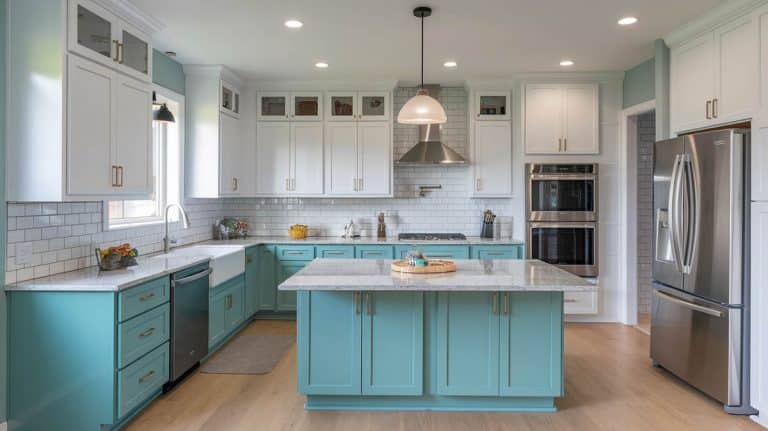
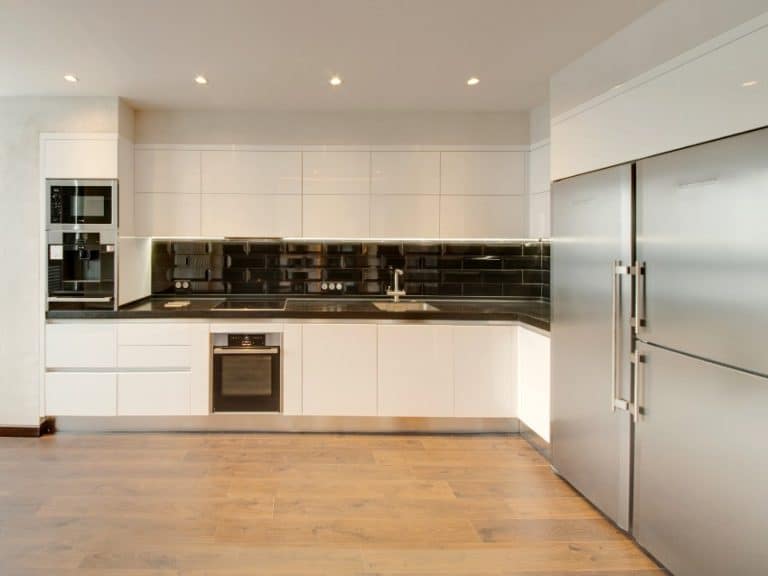
Beautiful Open Floor Plan Kitchen Ideas to Enhance Your Design

Open floor plans have continuously been popular because of the limited spaces available in homes and apartments. As real estate prices go up, houses and apartments also keep getting smaller to compensate. Open floor plans benefit small spaces the most, but even bigger floor areas can opt for an open floor plan, as it offers ease of access and brighter, bigger-looking spaces. Open plans are usually applied to kitchens, wherein the kitchen could be in the same space as the living area, the dining area, or even both. This is perfect for those who love to multitask and those who love to cook and entertain, as the kitchen will probably be the center of your home activities.
The open concept kitchen above has a transitional style with all-white upper cabinets and wood-veneer lowers, combined with modern fixtures and furnishings for a very fresh and modern look. It also features a large sliding door, which provides natural illumination during the day and naturally sets the backyard views as the focal point of the space.
Tips for Decorating an Open Floor Plan Living Room and Kitchen
It’s very easy to adapt an open floor plan for your kitchen and living room, especially if your space does not have a lot of partitions to take down. When designing for an open plan kitchen, do take note of the following tips:
Keep your overhead open – Especially for the island, it is best to keep the space above it open to avoid obstructing the visual continuity of the space. Allow only your island counter to separate different spaces in your plan.
Add accent lights – If you have an island, especially, and if you want to make it your focal point, adding simple accent drop lights above the island counters is a good idea. Just remember to keep it simple and not add too much to avoid obstructing the view.
Maximize space – Plan your design strategically to save space. Multi-function features, such as island counters with storage space and counter stools for dining, are especially favored.
Repeat key finishes to unify the view – Use the same cabinet pull style, faucet finish, or countertop profile in both the kitchen and any built‑in living room storage. When the eye sees matching details across zones, the whole space feels intentional rather than pieced together.
Define “rooms” with soft boundaries – Anchor the living area with a large rug and the dining area with a low‑pile flat‑weave under the table. Layered textiles act like virtual walls, guiding traffic without blocking sight lines.
Vary ceiling treatments for a little separation – A shallow coffer, beadboard inset, or simple paint band over the kitchen visually frames the work zone while keeping the overhead plane open and airy.
Invest in top-knotch ventilation – In open layouts, cooking aromas travel around the space. A quiet, high‑CFM range hood (600 cfm minimum for heavy cooking) and a recirculating downdraft behind the cooktop ensure lingering smells don’t dominate movie night in the adjacent living room.
Choose low‑decibel appliances – This might seem like a minor thing, but indoor noise pollution is a real thing. Look for dishwashers under 45 dB and refrigerator compressors under 40 dB. Quiet equipment preserves conversation flow between the island and the sofa.
Use a dual‑height island for multitasking – A 42‑inch‑high bar ledge on the living‑room side hides prep mess from view while providing casual dining space; the 36‑inch working surface on the kitchen side stays ergonomic for chopping.
Add a statement pendant or light fixture to anchor the dining zone – One bold fixture dropped 30–34 inches above the table center cues “this is the eating area” while maintaining an unobstructed path around it.
Add in mirrored or glossy finishes sparingly – A high‑sheen backsplash or a single lacquered cabinet bank bounces light deeper into the apartment, making even tight footprints feel brighter and wider. This can easily be overdone, so take caution.
Integrate concealed storage at every turn – Toe‑kick drawers, lift‑up coffee‑table tops, and banquette benches with hinged lids swallow the clutter that can quickly overwhelm open plans.
Plan generous circulation paths (measuring at least 42 inches) – Map a clear walkway between the fridge, sink, island, and sofa to prevent bottlenecks when the household converges in the kitchen.
Introduce green plants to soften hard surfaces – A pair of potted olive trees flanking the patio door or an herb trough along the island adds organic texture that bridges kitchen hardscape and lounge upholstery. Be cautious of overdoing plants inside the kitchen, as it can lead to overwhelm.
Coordinate the lighting tech – Select under‑cabinet lighting that can dim or change color temperature together; synchronized lighting temperature keeps the kitchen from feeling too clinical next to a cozy living area in the evening.
Think of your future flexibility – Look for furniture sitting on slim legs (rather than skirted) and modular seating that can reconfigure; as families grow or roommates change, this way the open plan can evolve without major renovation.
Open Kitchens with Islands
Open-plan kitchens often use islands to visually divide or demarcate the area from the other areas in the open-concept space. An island also maximizes the space’s functionality by allowing eat-in dining, extra countertop space, built-in appliances, a cooktop, or a sink.
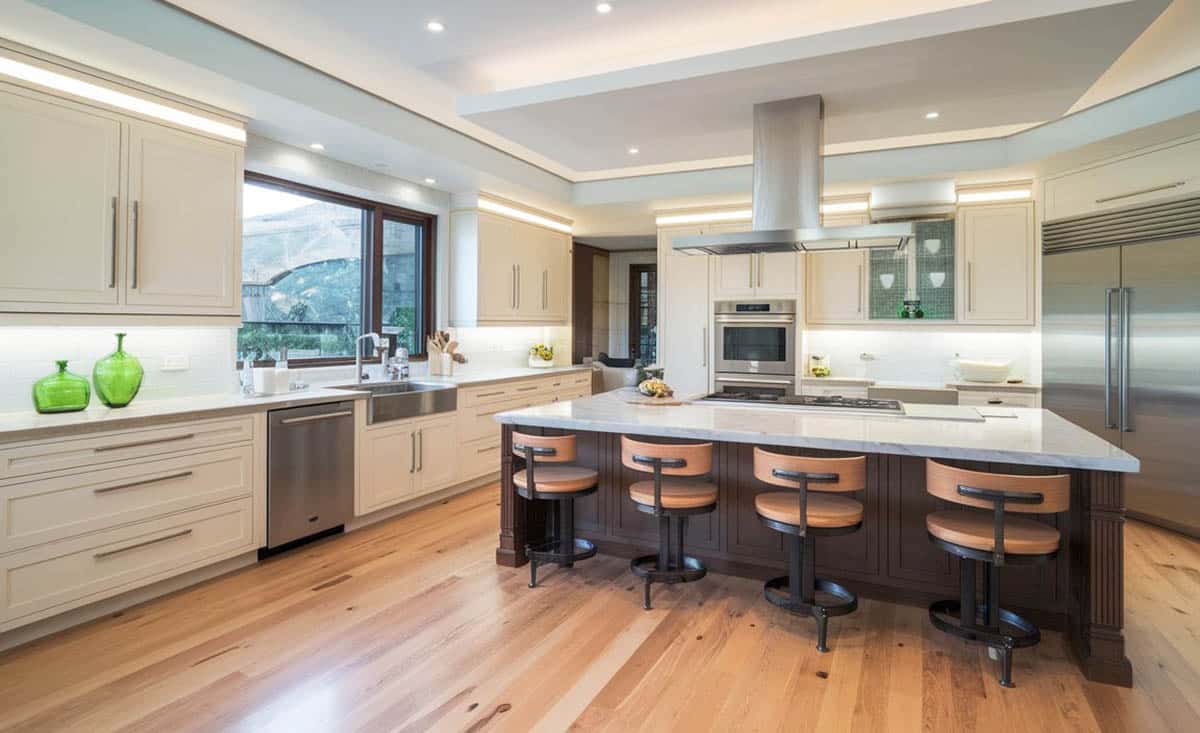
In this example, the island uses a Mahogany base to make it stand out from the white wall cabinets and further emphasize the visual demarcation. Two types of quartz countertops, one in black and the other in white, are used to create visual interest and enhance the contrast of the design. This classic kitchen with cream cabinets is right beside the living area, and because the partitions were opened, the whole space looks and feels a lot more roomy.
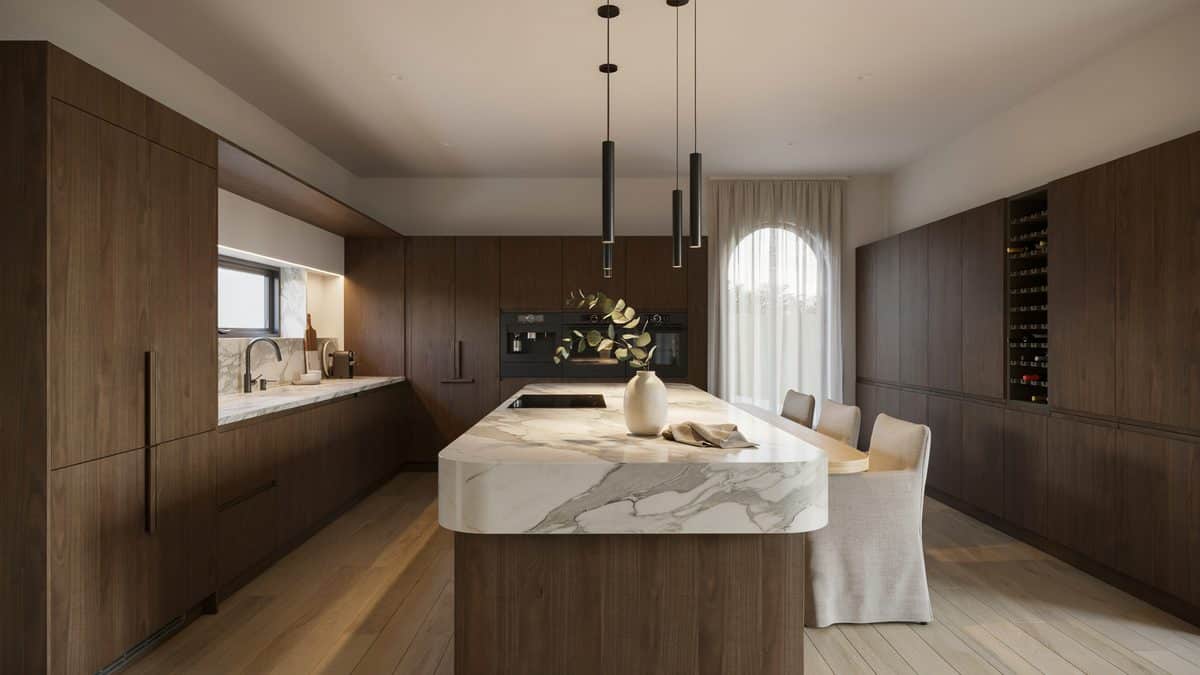
Placed right at the center, this kitchen is open and accessible on three of its sides, making it the focal point of the whole open floor plan. Because the kitchen sits in the middle of the space, the island rounds off the outer corners of the countertop, not only to soften the edges but also to make it safer as traffic flows around it.
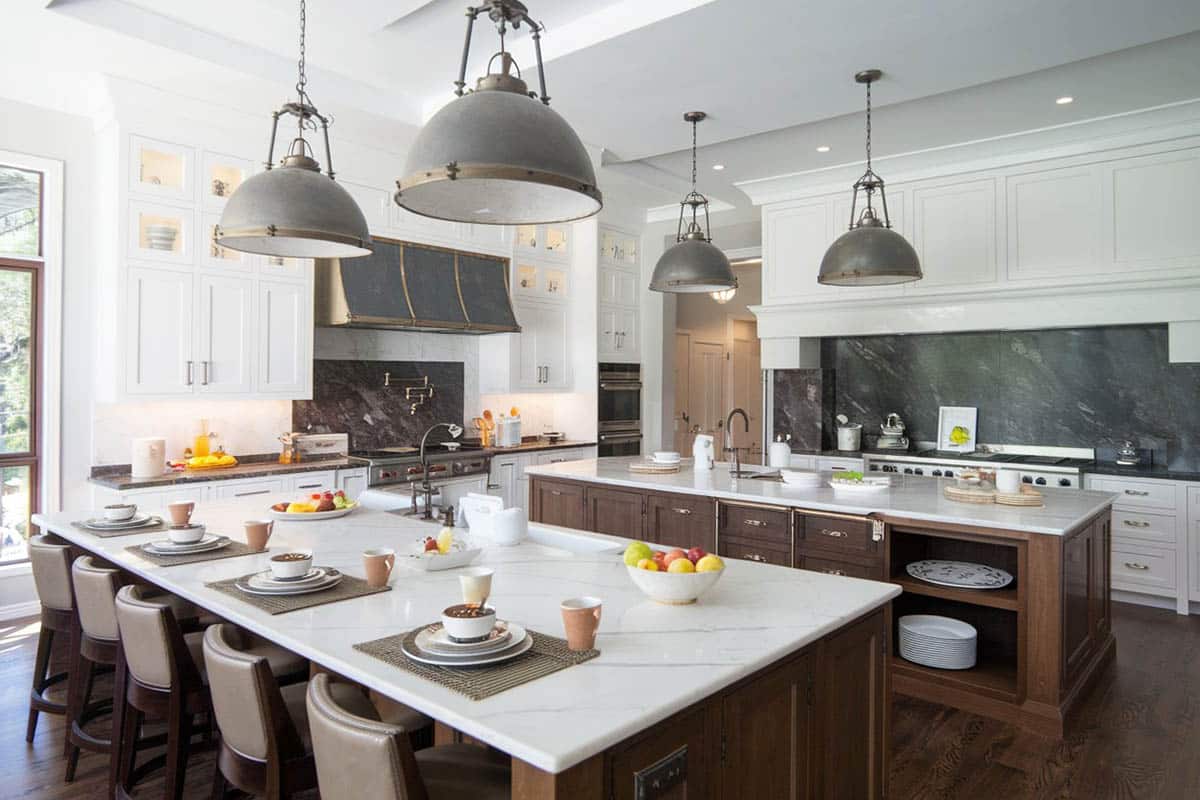
This layout style is an unusual choice for smaller spaces, but for those with enough to spare, it could be a great idea, especially if multiple people use the kitchen area a lot. The French style wall cabinets are all white, making the two islands with natural teak wood case stand out even more.
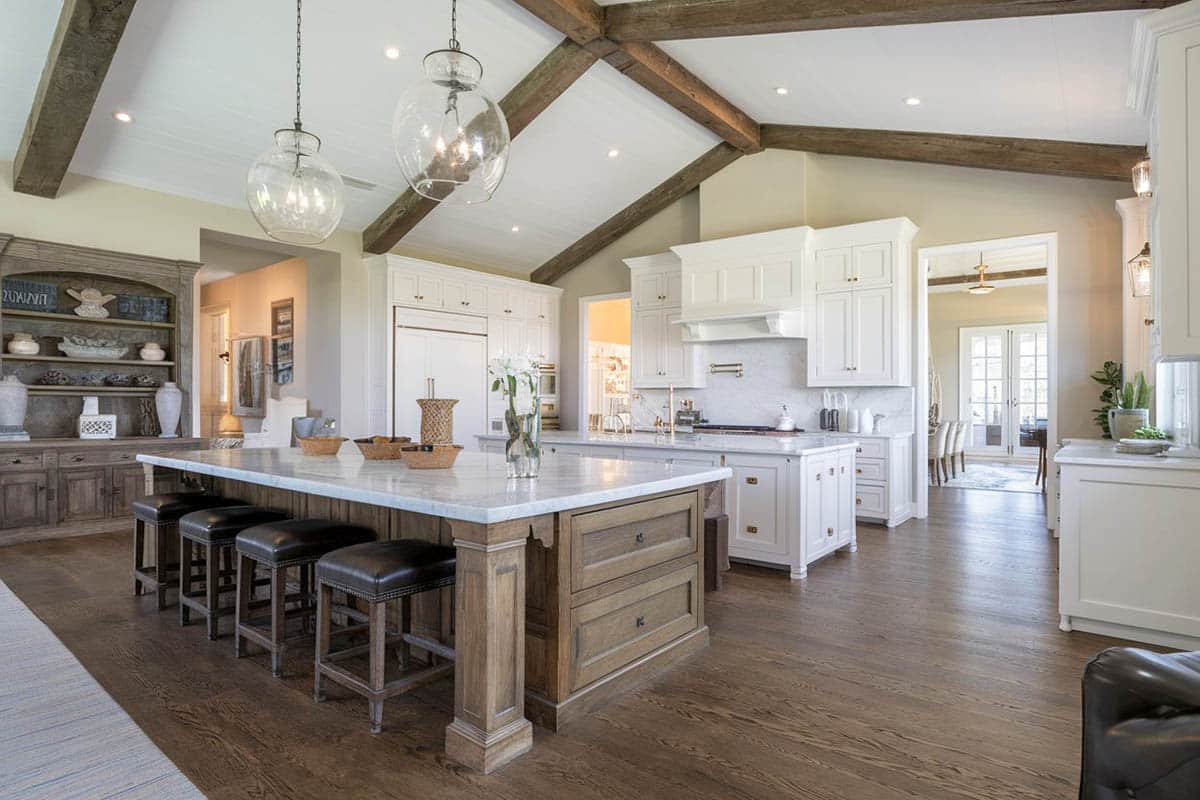
For this open plan design, two islands were used – one is mainly for food preparation and storage, and the other is to help separate and transition the kitchen to the dining room, living area, or other areas of the house. This is why the outer kitchen island has an oak finish similar to the display shelf, instead of white like the rest of the floor plan.
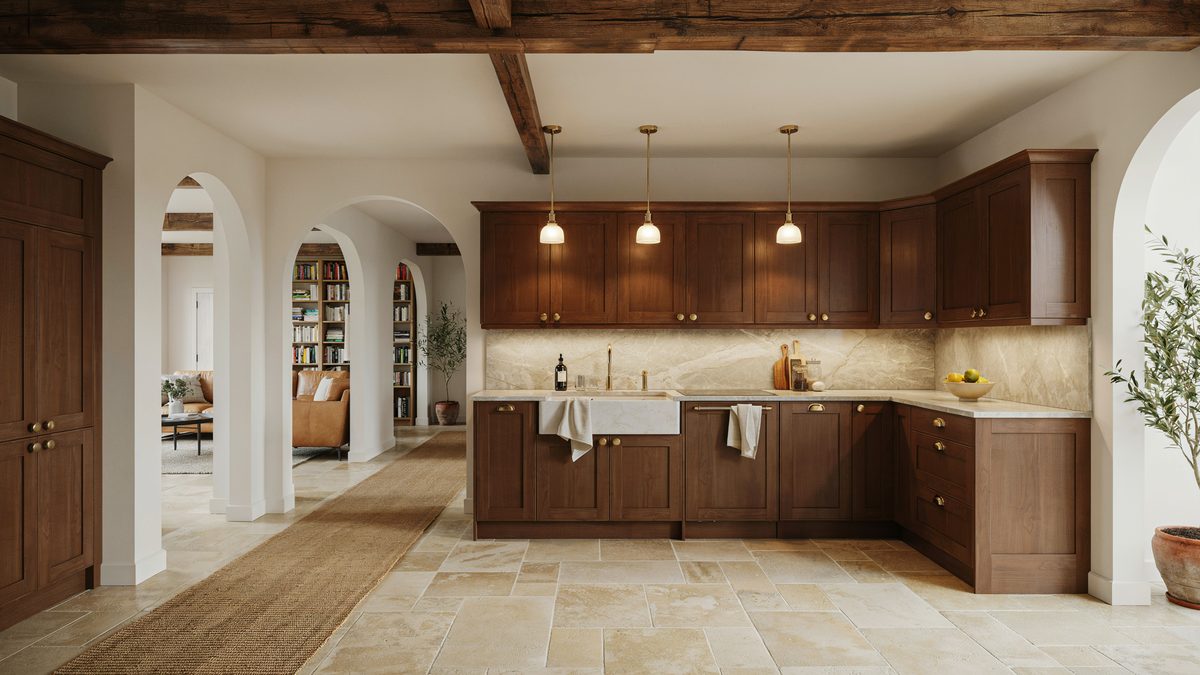
Gothic style kitchens don’t often use an open plan, but this one does. It also uses an island to separate the cooking zone from the other areas of the house. No overhead racks or storage were placed above the island, which keeps the visual lines clean and flowing and holds on to that open feel.
Small Open Plan Kitchen with Island
A tight footprint doesn’t rule an island out. It just changes the proportions.
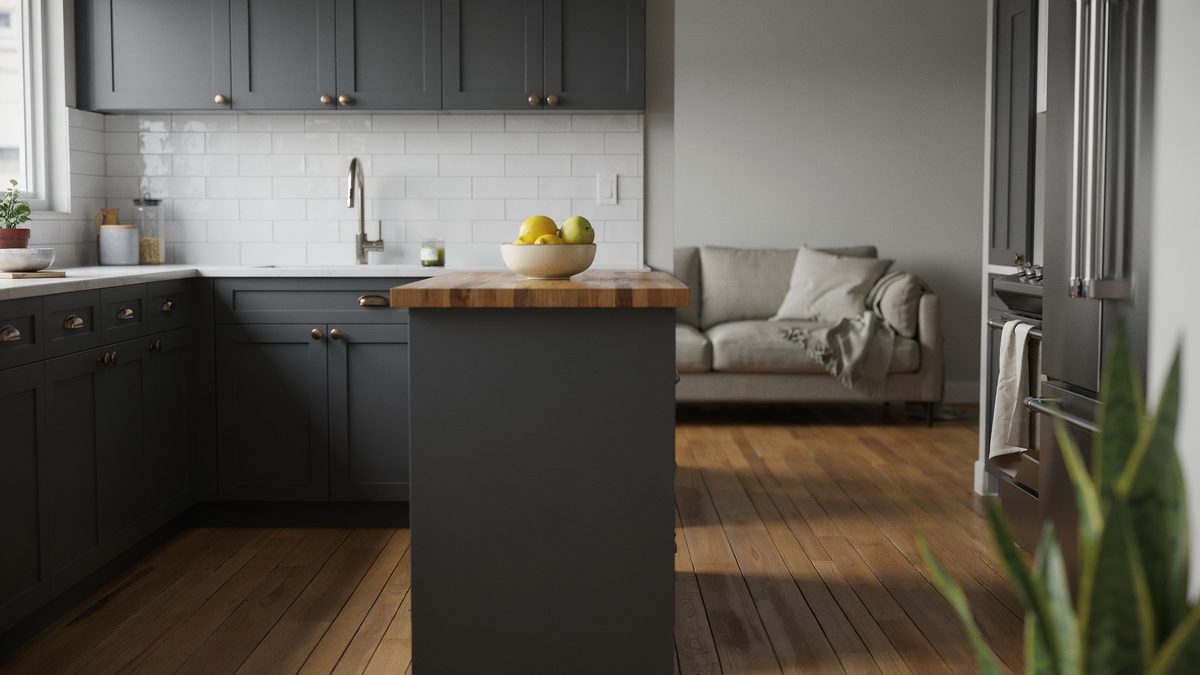
Those who like the idea of extra counter space that doubles as a dining area would love an island, but not everyone has the room for one. For smaller spaces you can still have it, just scaled down, like this example. It uses a narrower island to compensate for the limited floor area.
3 Island Kitchen with Open Layout
When wall storage is scarce, the islands can pick up the slack.
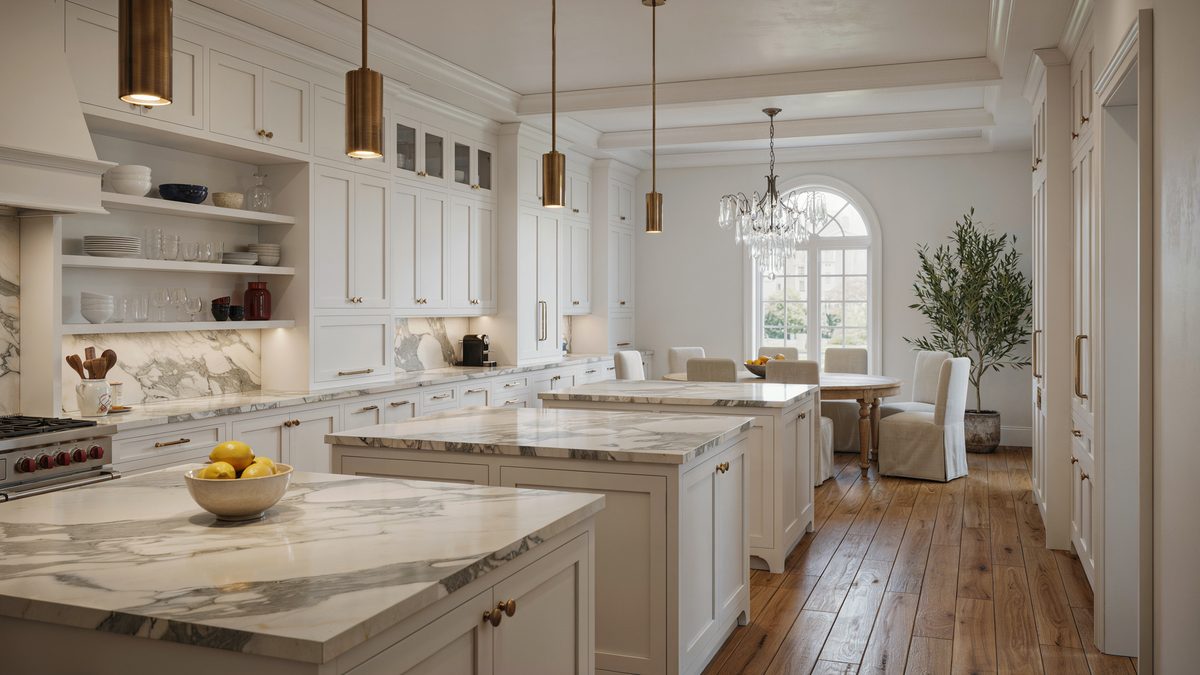
Quite uncommon, but those with enough space can pull off a kitchen with three islands. This example compensates for the lack of wall cabinets and storage by adding three of them. Two run parallel and handle storage and extra surface for food preparation, since there is barely any along the wall counters, and the third is mainly for dining and space demarcation.
Open Kitchen and Living Room
Having the kitchen placed adjacent to the open concept living room is especially a gem for those who love multi-tasking. This set-up lets you prepare meals while entertaining guests in the living area, or simply keep an eye on things for those with small children.
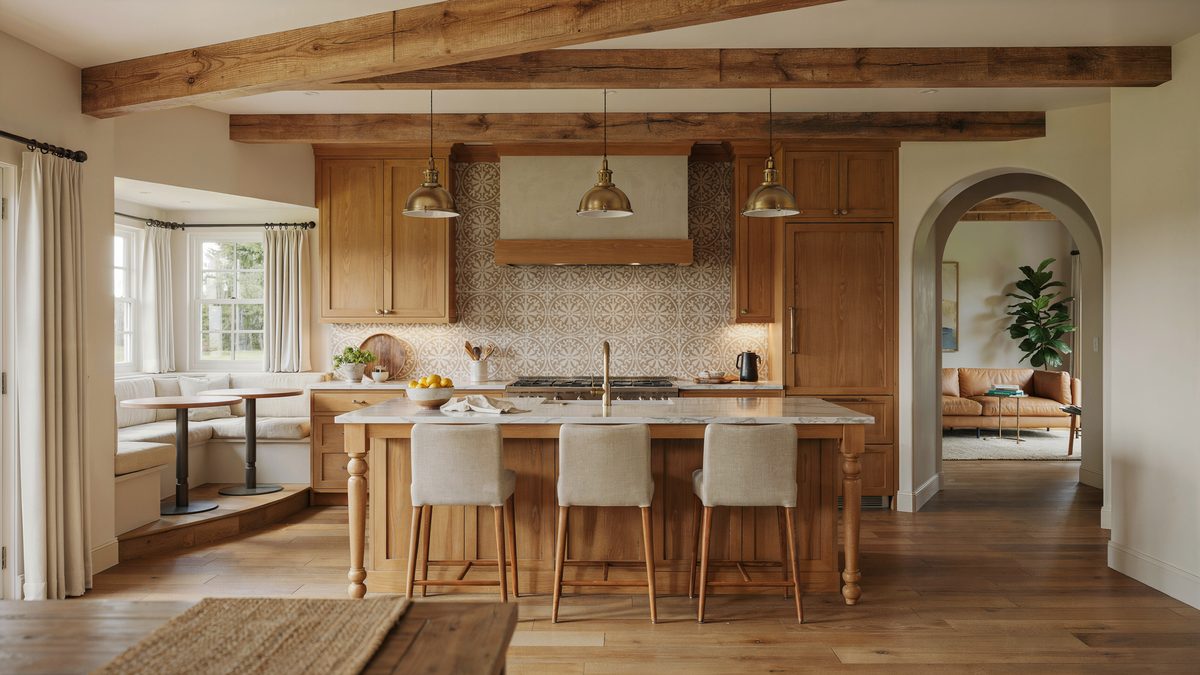
This traditional kitchen features an open concept that flows into the living area. A large island with seating as well as a window dining nook provide multiple dining opportunities. The rustic wood cabinetry is paired with a white honed marble countertop and a beige Arabesque backsplash tile.
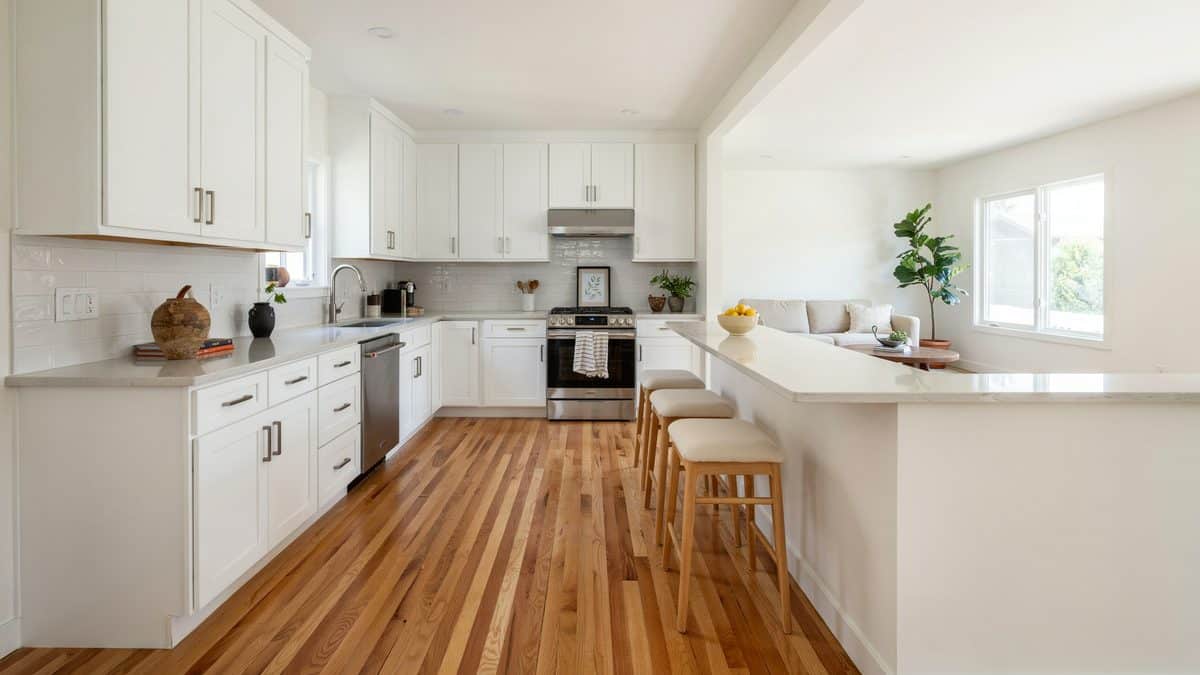
If you have a wall separating the kitchen from the living room, you might not have to tear down the whole thing to create an open layout. Similar to this example, you can remove half of the wall and the upper half of the other side, leaving a low “wall” for the counters to attach to.
Small Open Plan Living Room and Kitchen
Not every open plan starts with an island. Sometimes the counter itself does the work.
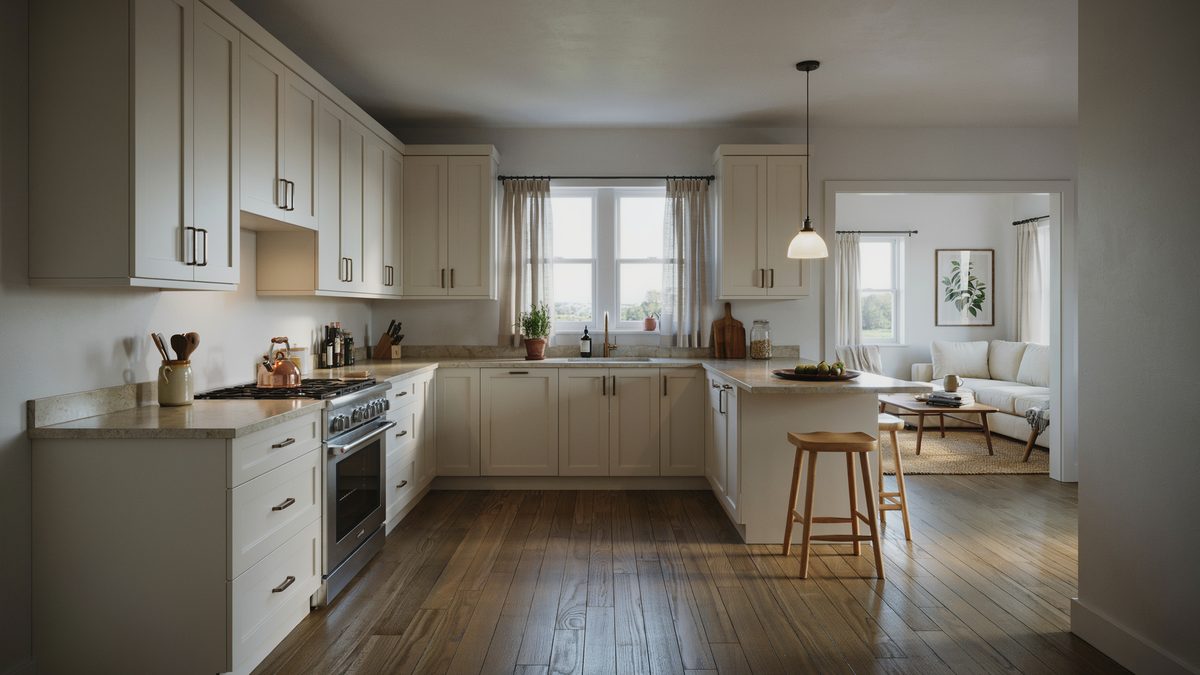
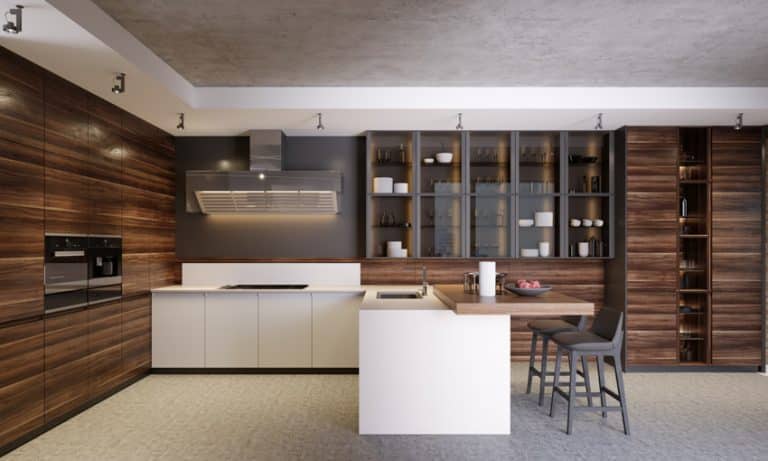
Instead of a separate or freestanding island, this small kitchen has a U-shaped layout in which one side of the counter is not placed against the wall and is used as a small dining bar. Half of the L-shaped wall was torn down to create an open visual and traffic flow into the living room.
Open Dining Room and Kitchen
Open kitchens are most commonly attached to dining rooms, as it makes serving food faster and more efficient. Many modern families also want to be close to each other during meal prep, which makes a place to sit essential.
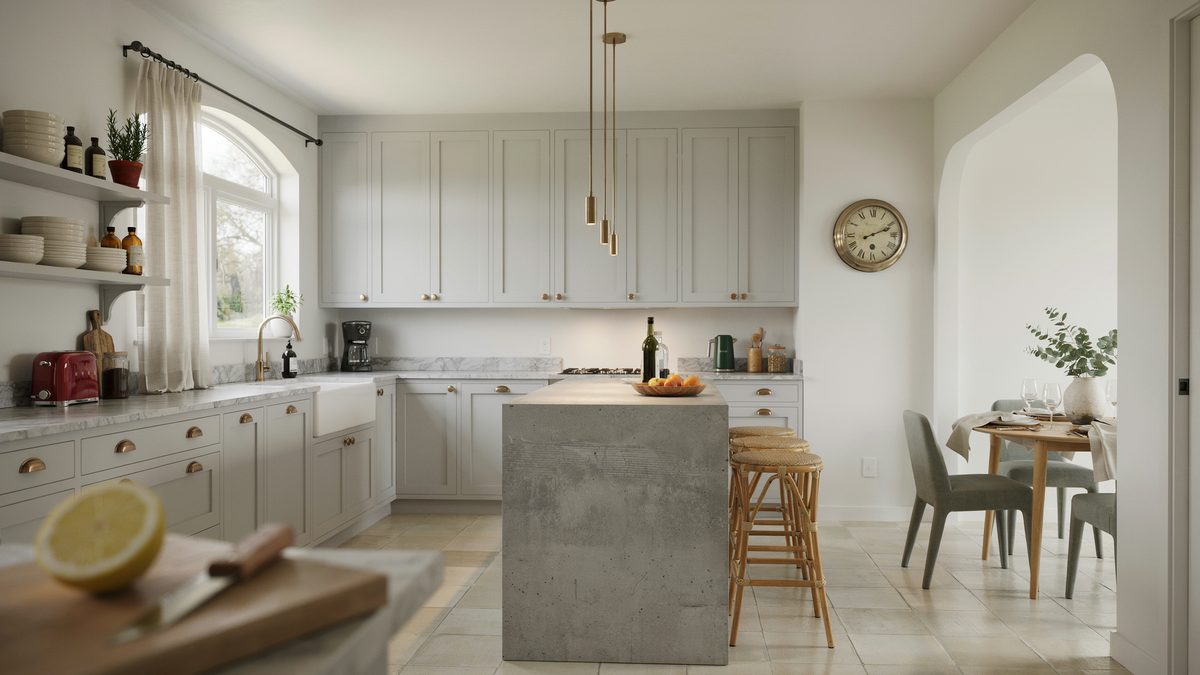
This large classic style kitchen connects directly to the small dining area and also uses its freestanding island as a bar counter for casual meals.
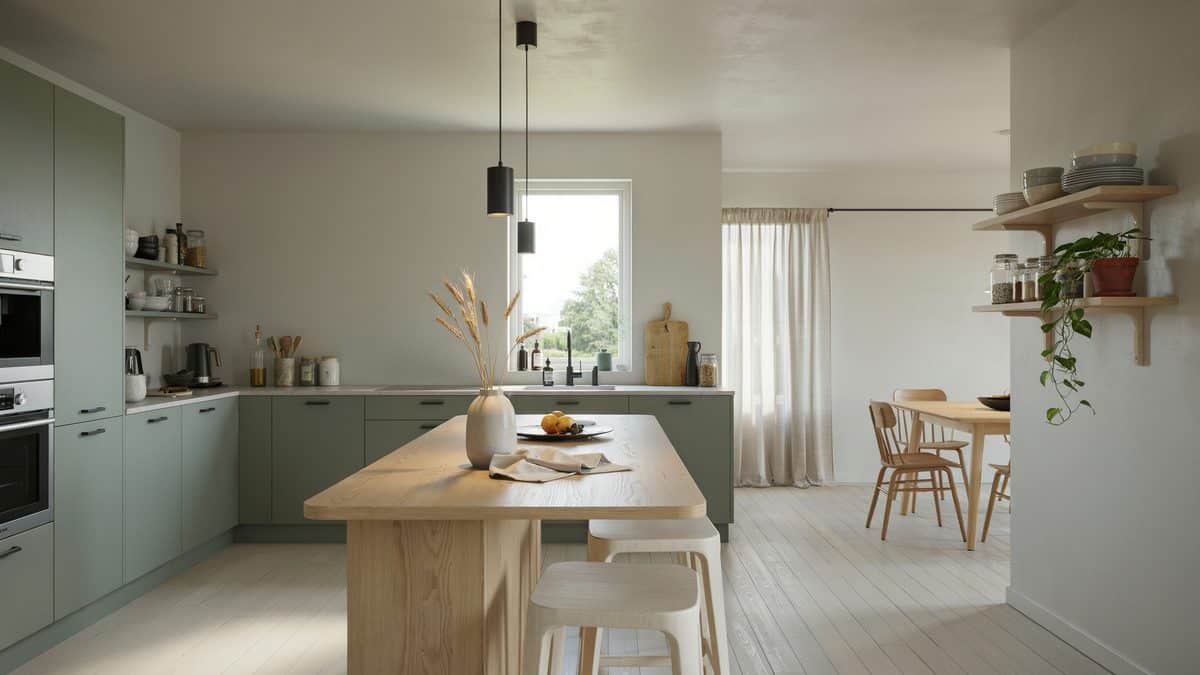
A simple Scandinavian style open plan kitchen with a dining table. The room features clean, rectilinear cabinets in muted colors, combined with natural wood countertops and simple Scandinavian furniture pieces.
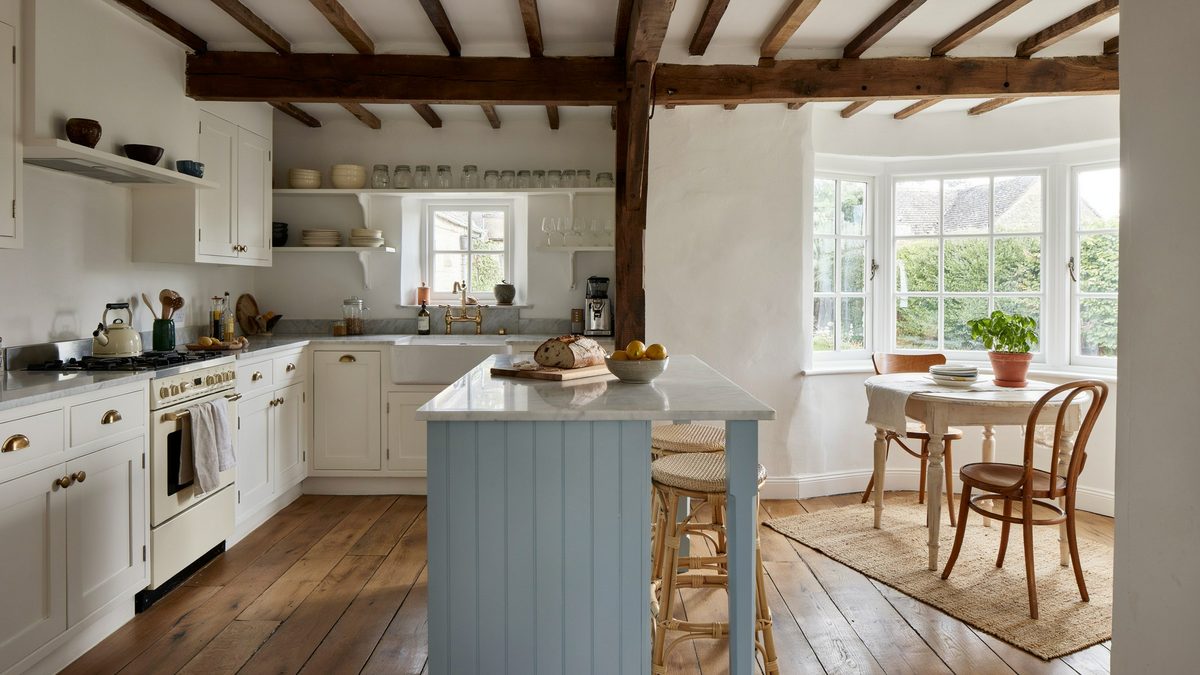
This is a gorgeous French provincial style open kitchen with a touch of rustic elements, connecting directly into a small, informal dining area by the bay window. The unique layout gives it a casual, warm and homey vibe that matches the mood of the interior architecture of the space.
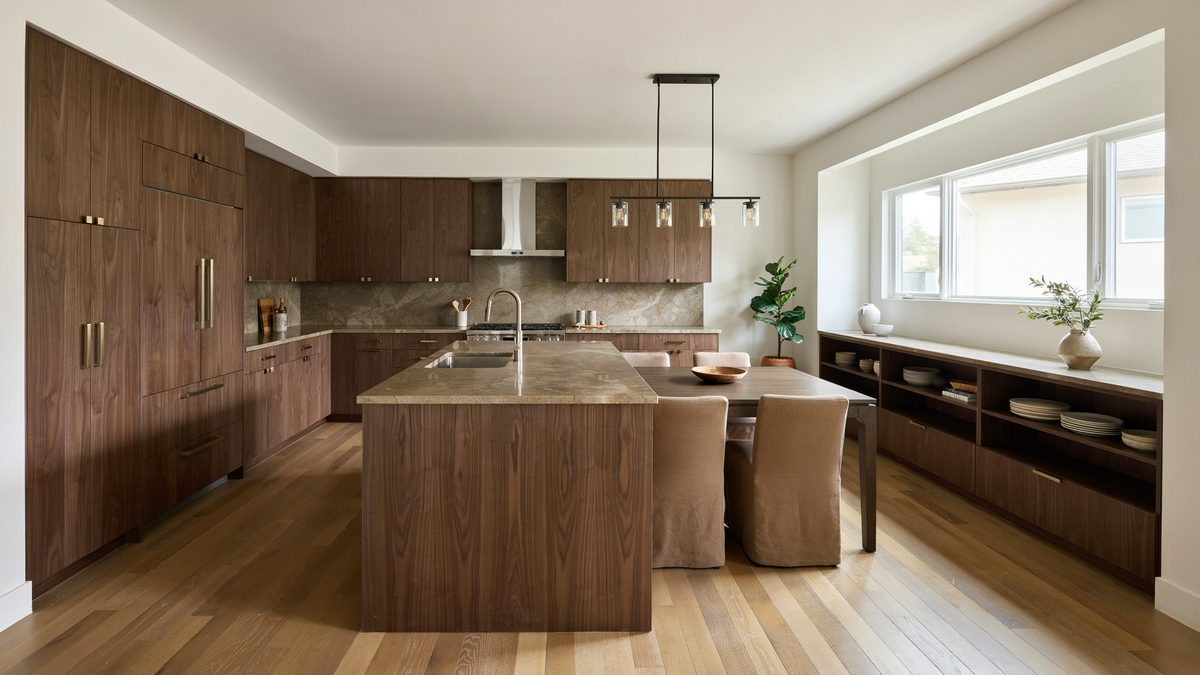
This modern kitchen integrates the dining area with a unique approach. Usually the dining area in an open plan is made to feel visually separate from the kitchen, but here it reads as part of the kitchen instead. That happened because the table was placed right beside the island rather than in front of it. You will also notice that under the window, instead of a freestanding buffet table, the modular cabinet bases simply continue and serve as the buffet storage for the dining area.
Small Open Layout Kitchen with Dining Room
Careful planning is what lets a compact room carry a kitchen and a table at once.
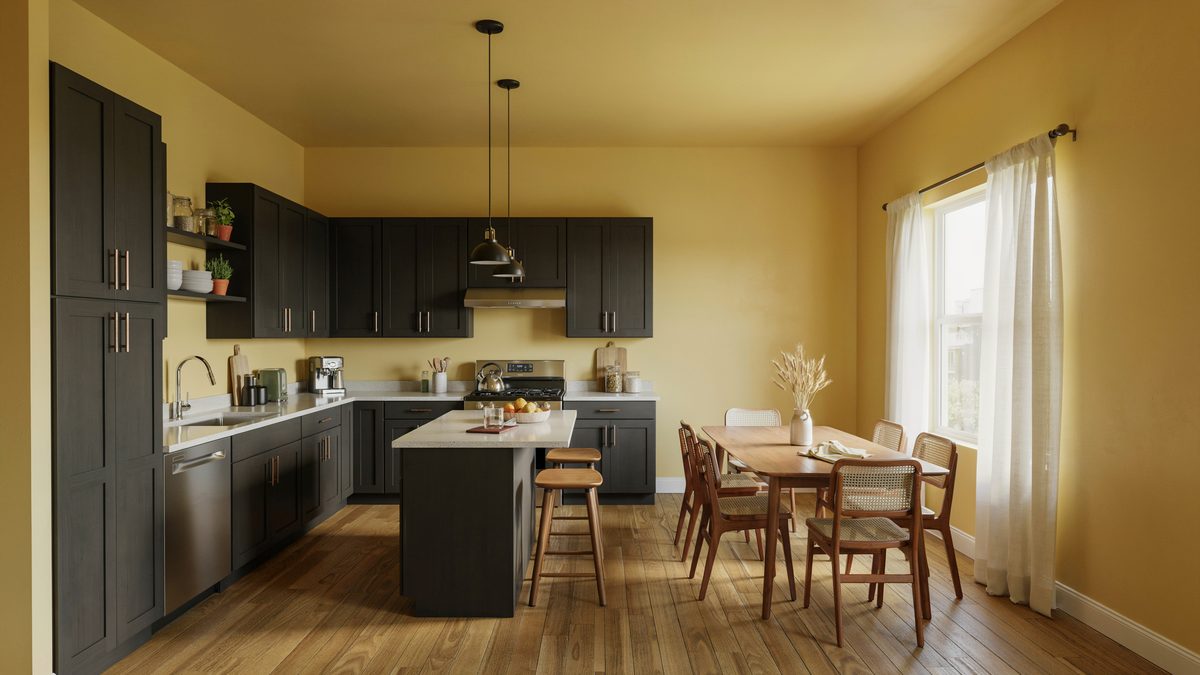
With smart and efficient planning it is possible to fit a small kitchen with an island and a dining area into one modest space, as this example shows. By using a small island counter and well-planned L-shape wall cabinetry, the room was able to hold a small formal dining area that seats up to six people.
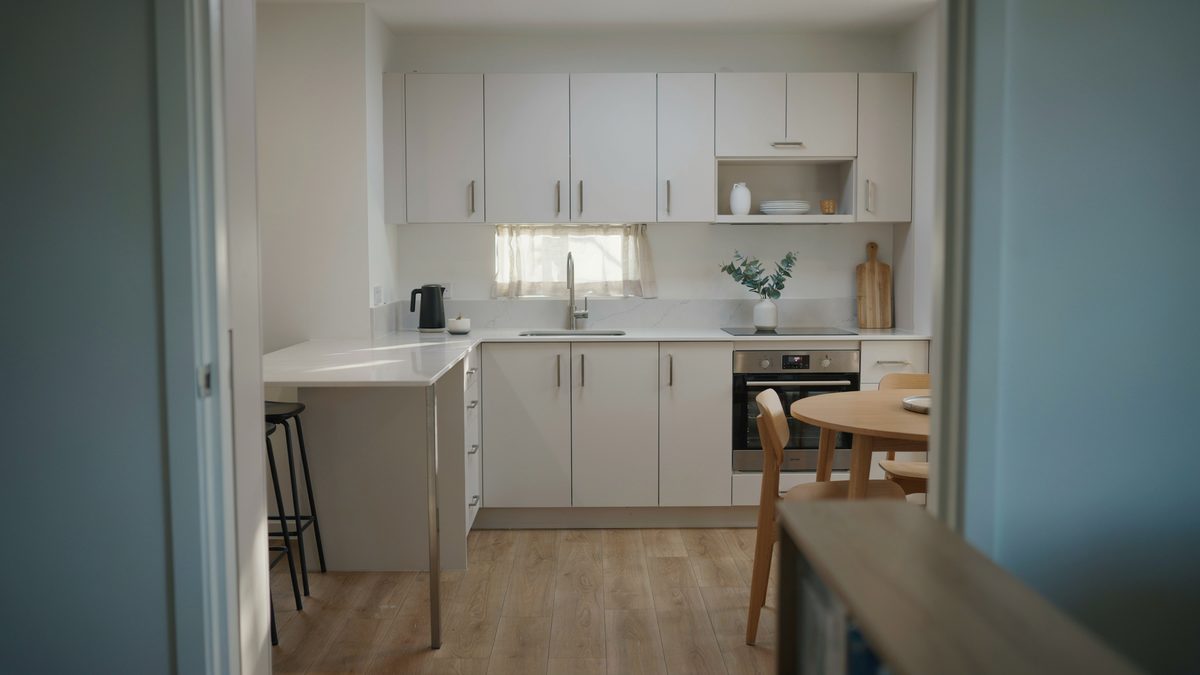
Using laminated modular cabinets, this modern open plan space efficiently combines the dining area and the kitchen. One side of the U-shaped counters doubles as a bar counter that separates the cooking zone from the small dining space.
Open Living Room Kitchen and Dining Area
When all three zones share one room, light and sightlines do most of the decorating.
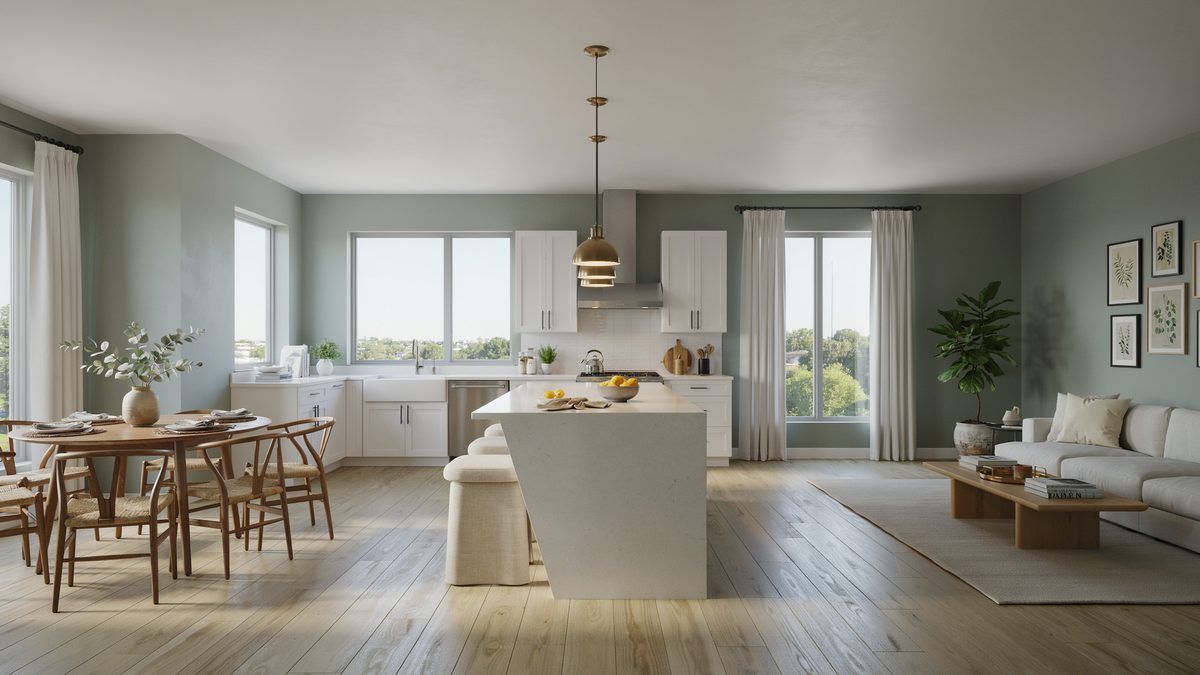
This modern transitional style kitchen has both the dining and living areas adjacent to each other to create a good traffic flow. Because the structure also has a number of tall windows, the open plan lets natural light reach most of the space, giving you brighter rooms without leaning on artificial lights.
To showcase highly specific designs, some images on this website use advanced AI-generation software to illustrate ideas and room inspiration. See our editorial policy to learn more.