Floating Furniture Layout vs. Wall-Hugging Layout

When you’re planning out a living room, family room, or multipurpose space layout, most plans fall into two categories: floating the furniture or wall-hugging the furniture. Both arrangements can look stylish and functional when you match the floor plan to the room’s dimensions, traffic paths, and focal point. Let’s take a closer look at floating furniture vs. a wall-hugging layout, how each approach works, and the most common floor plans and styles that pair well.
What Is A Floating Furniture Layout?
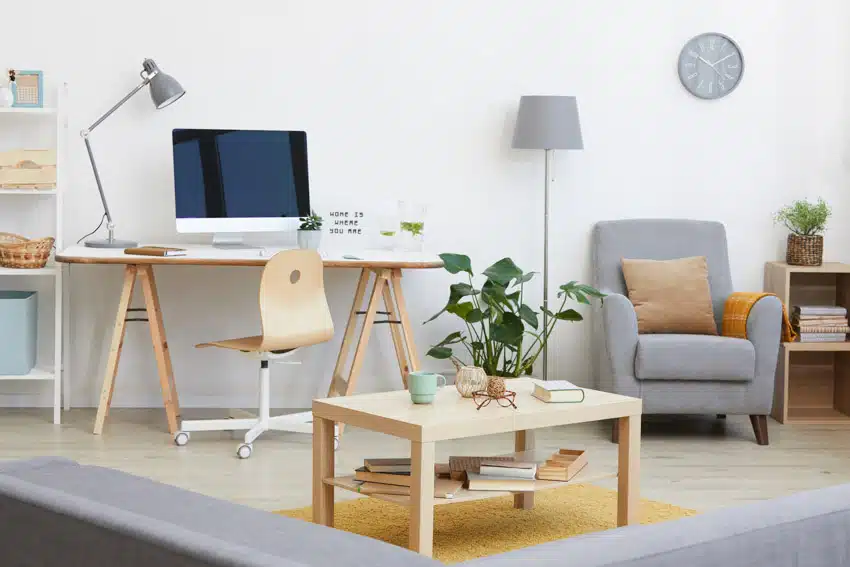
A floating layout pulls the main seating and tables away from the walls to form an “island” or “floating-furniture” setup. This arrangement usually revolves around a single focal point like a TV wall, fireplace, window view, or conversation area. It often uses a rug to define the zone and offers walkways that run around the outside and sometimes through the middle.

Upload a photo and get instant before-and-after room designs.
No design experience needed — join 2.39 million+ happy users.
👉 Try the AI design tool now
Why It Works:
A floating furniture placement creates balance in larger rooms and open concept floor plans by giving the seating its own footprint. This helps to reduce the “couch pushed to the wall” look and often improves sightlines and the distance of conversations. Floating the furnishings supports layered zones, such as a reading chair behind the sofa, a console table, or a kids’ play area along the perimeter of a room.
When going for this look it’s important to keep 30 to 36 inches for movement around the furniture island and allow 16 to 20 inches between the sofa and coffee table for reach and leg comfort. You should also leave 3 to 6 inches between the sofa back and console table if you’re using one.

Best-fit Floating Floor Plans:
14×20 Open Living/Dining: Float a sofa and two chairs on a rug and place a console behind the sofa to frame the dining area.
15×15 Square Living Room: Center a sofa and two chairs around a coffee table and flank them with twin end tables. Note: Keep a 36-inch ring for circulation.
12×18 Long Living Room with a Centered TV/Fireplace: Float two loveseats facing each other to shorten the perceived length and improve conversation.
20×20 Great Room / Open Concept: Use a large rug to anchor seating; add a second micro-zone (desk or game table) along a wall. See a 20×20 room plan here.
Style pairings: These styles work well with a floating seating arrangement. Modern, Mid-Century Modern, Contemporary, Scandinavian, Transitional, and Minimalist. These styles all favor straight edges, symmetry, and intentional negative space that the layouts highlight.
Common mistakes: Using an undersized rug that makes the island looks like it’s “swimming”, having too little walkway room, and pushing the coffee table too far away from the seating.
What Is A Wall-Hugging Furniture Layout?
A wall-hugging layout puts the largest pieces, like the sofas, sectionals, and storage, directly against the walls. It’s seating radiates in from the walls and maximizes floor space in the center for conversation or kids’ play.
Why It Works
A wall-hugging setup extracts every inch from narrow or compact rooms and especially tricky footprints. This is intuitive for long rooms where circulation paths are needed. It also supports large sectionals and big media walls without overcrowding. To make it work, you’ll need to keep 30 to 36 inches of space for the main walkways, and 24 to 30 inches for secondary paths. For TV’s you’ll want to maintain 6 to 10 feet of viewing distance for 65 to 75 inch sets (adjust to screen size).

Best-fit Floor Plans:
10×12 Compact Living Room: Add a small sofa against the long wall, media on the opposite wall, and a slim chair angled in a corner.
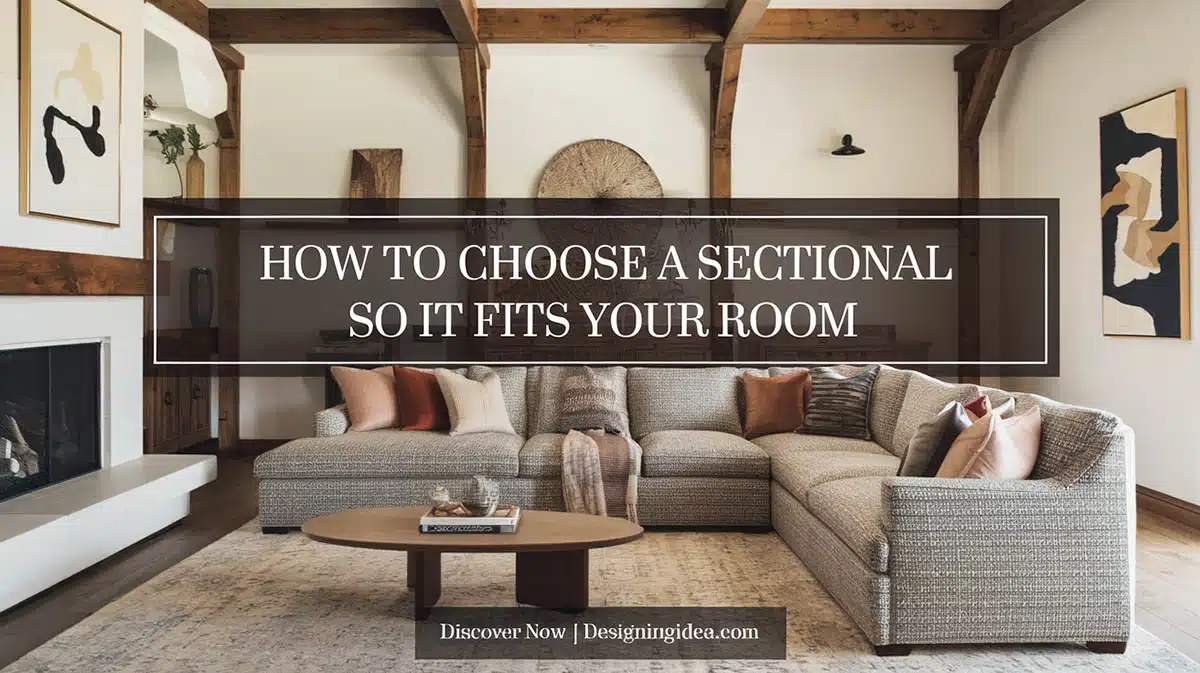
10×20 Long & Narrow: Place a sectional along one long wall, media on the other, and nesting tables to keep the center open.
12×16 Apartment Living: Sofa on the long wall with two compact chairs flanking; a wall-mounted media unit to preserve floor area.
Small Den or Playroom: Add a sofa to the wall, with storage along another wall, and the center open for floor activities.
Style pairings: For wall-hugging floor plans, the following styles are most suitable. Traditional, Farmhouse, Cozy Transitional, Boho, and Eclectic. These styles can accommodate larger, comfier profiles and layered accessories that benefit from using perimeter walls for a backdrop, storage and display.
Common mistakes: Having your furniture too spread out for conversation, designs where the center area feels empty, or when traffic cuts awkwardly between the TV and the seating.
Comparison of Floating to Wall-Hugging Furniture Layouts
| Aspect | Floating Furniture Layout | Wall-Hugging Layout |
|---|---|---|
| Best Room Shapes | Square or large rooms; open concepts needing a defined seating “island.” | Small, long, or narrow rooms; apartments where center circulation matters. |
| Typical Clearances | 30–36″ circulation around the group; 16–20″ sofa to coffee table. | 30–36″ main paths; 24–30″ secondary; maintain TV viewing distance per screen size. |
| Strengths | Creates balance, stronger conversation circle, and zones in open plans. | Maximizes floorspace, straightforward traffic, supports larger sectionals/storage. |
| Watch-outs | Undersized rug, cramped walkways, visible cords without a console/floor outlet. | Seating too far apart for conversation, empty “bowling alley” center. |
| Great For | Entertaining, layered zones (desk/reading nook), symmetric focal points. | Daily lounging, kid-friendly spaces, long walls with media or storage. |
| Style Pairings | Modern, Mid-Century, Contemporary, Scandinavian, Minimalist, Transitional. | Traditional, Farmhouse, Cozy, Transitional, Boho, Eclectic. |
| Sample Plans | 15×15 square; 14×20 open plan; 12×18 long room with centered focal point. | 10×12 compact; 10×20 long & narrow; 12×16 apartment living. |
| Quick Tip | Anchor with a rug large enough to catch all front legs of seating. | Use a slim coffee table or a round table to preserve the center path. |
How To Choose Between Floating And Wall-Hugging Furniture Floor Plans?
Room size & shape: Bigger or square rooms often work better with a floating arrangement to define scale. Long, narrow, or smaller rooms often benefit from wall-hugging to free up the center for movement.
Focal point: If the fireplace or TV is in the center, then floating makes symmetrical grouping easy. If the room forces a side-wall focal point, then go with a wall-hugging design to maintain sightlines.
Traffic: Do you have a room with heavy through-traffic at the edges? In this case, float the seating so people can loop around it. Have a room with a single straight path end-to-end? Keep the furniture pushed to the walls.
Function: For those desiring conversation and entertaining, the style tends to lean toward floating. For everyday lounging, kids, and multi-use living, often there’s more of a pull toward a wall-hugging setup.
Acoustics: Floating reduces wall reflections a bit and can improve sound setups for media rooms when done thoughtfully.
Flexibility: Floating layouts are easier to rezone, while wall-hugging designs accommodate bulkier pieces and storage needs.
Design Style Pairings You Can Use
Modern / Minimalist / Scandinavian: Prefer floating with tight, consistent clearances and a rug that fully contains the front legs of all seating.
Mid-Century Modern: Floating enhances low profiles and symmetry; add a credenza behind the sofa to complete the vignette.
Traditional / Farmhouse: Wall-hugging supports larger roll-arm sofas, hutches, and built-ins; floating also works if the rug and table scale up.
Boho / Eclectic: Wall-hugging gives perimeter surfaces for plants and art; use poufs and stools to focus on the center.
Transitional: Either works—choose based on room shape and traffic, then mix tailored pieces with comfortable textiles.
Practical Designer Tips For Furniture Placement
Size the rug to the layout, not the room. Include all of the front legs of all the seating on the rug for floating. At a minimum, the sofa’s front legs should be on the rug for wall-hugging.
Side table placement. Keep the side tables within 2 to 4 inches of the sofa’s arm height for a more comfortable reach.
TV and fireplace. If the TV is above a fireplace, consider a tilt mount and the eye height. Otherwise, go with a media wall opposite the seating to keep neck angles in a more neutral position.
Hide the power cords. Use cord channels, floor outlets, or a sofa-back console to hide cables for your floating layouts.
Longer room tip. For long rooms, get rid of the tunnel effect by using paired chairs or a console table to shorten the space visually.
To showcase highly specific designs, some images on this website use advanced AI-generation software to illustrate ideas and room inspiration. See our editorial policy to learn more.