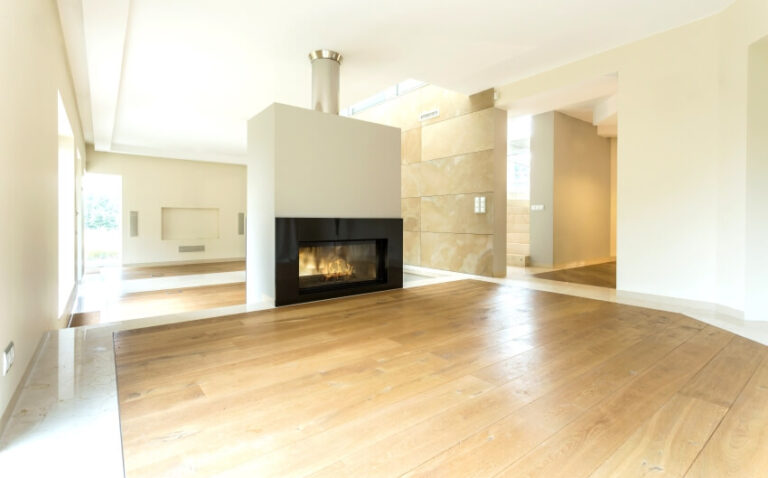
What Is the Cost of Wood Flooring? (Engineered & Solid Hardwood)

Hardwood is the first choice for most homeowners when it comes to home flooring. This kind of flooring is known for its warm as well as classic look, versatility, and durability. Typically, the average cost of wood flooring including the installation runs $9 to $25 per square foot in 2026. Most homeowners land somewhere between $10 and $16 once you factor in a normal room layout, basic prep, and a standard finish. That number swings on the square footage of the area and the type of wood selected. Below you’ll find some of the top factors to consider when purchasing wood floors for your home.
Cost of wood flooring per square foot
This includes the cost per square foot of materials to be used and the price for every square foot for the installation. This can be categorized into three varied price points on their average cost for every square foot of the flooring. When selecting the type of wood flooring material it’s important to consider the style of wood plank, as well as its variety, and whether it is a solid hardwood or engineered wood.
What a whole room actually costs
Per square foot pricing is useful for comparing products. It’s less useful when you’re trying to figure out if you can afford the project. Here’s what those numbers turn into once you multiply them by a real room.
| Floor area | Budget build ($9/sq ft) | Mid-range ($13/sq ft) | High end ($22/sq ft) |
|---|---|---|---|
| 200 sq ft (small bedroom) | $1,800 | $2,600 | $4,400 |
| 300 sq ft (average bedroom) | $2,700 | $3,900 | $6,600 |
| 500 sq ft (living and dining) | $4,500 | $6,500 | $11,000 |
| 800 sq ft (main floor) | $7,200 | $10,400 | $17,600 |
| 1,200 sq ft (most of a house) | $10,800 | $15,600 | $26,400 |
| 1,500 sq ft (whole home) | $13,500 | $19,500 | $33,000 |
These are installed totals, materials and labor together. Order 5 to 10 percent extra material on top for cuts and waste, which we’ll get to further down.
Traditional wood flooring cost
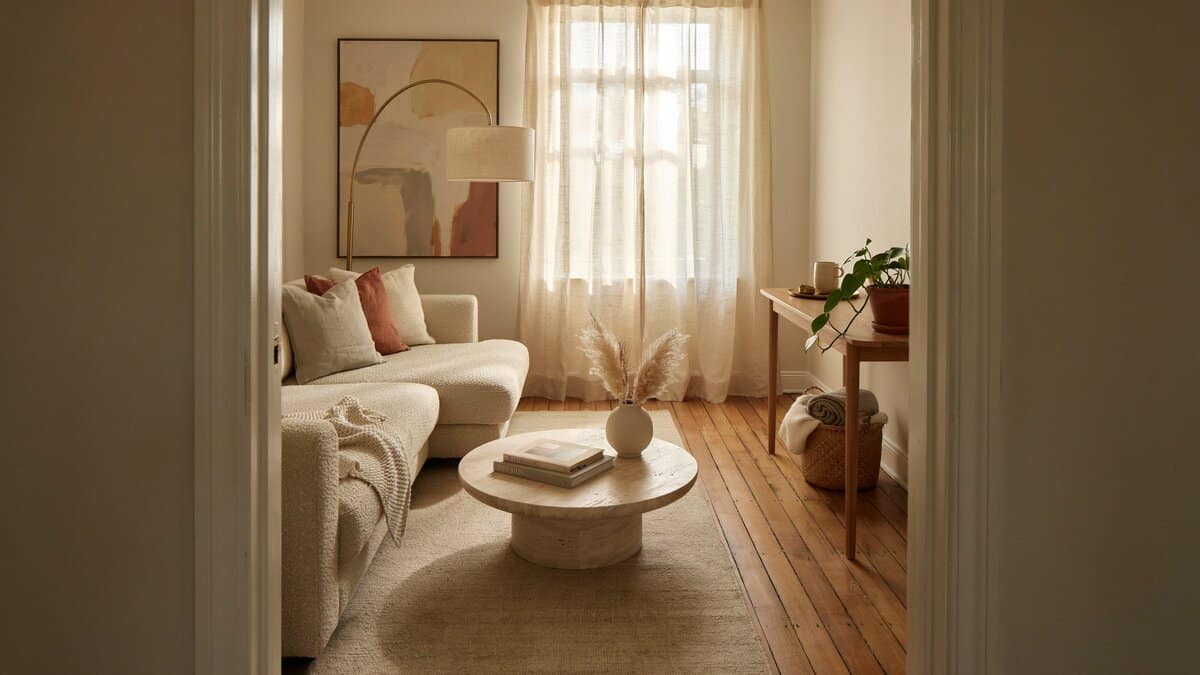
This usually comes in narrow boards which are three inches wide or less. It may also come in planks measuring seven inches or more. Its price depends on your preferred type of wood to use.
– Low: it uses softwoods like pine that usually cost $3 to $7 for every square foot of the flooring, and the installation costs $4 to $6 per square foot.
– Mid: this makes use of mid-varieties like teak, oak, and American cherry costing about $5 to $12 per square foot for the materials and $4 to $8 for each square foot for the installation.
– High: it makes use of expensive wood floors that are made out of exotic woods like Brazilian walnut, mahogany, tigerwood, and cypress. The price for the materials is usually $10 to $20 for every square foot and for the installation is $5 to $9 per square foot.
Engineered wood flooring cost
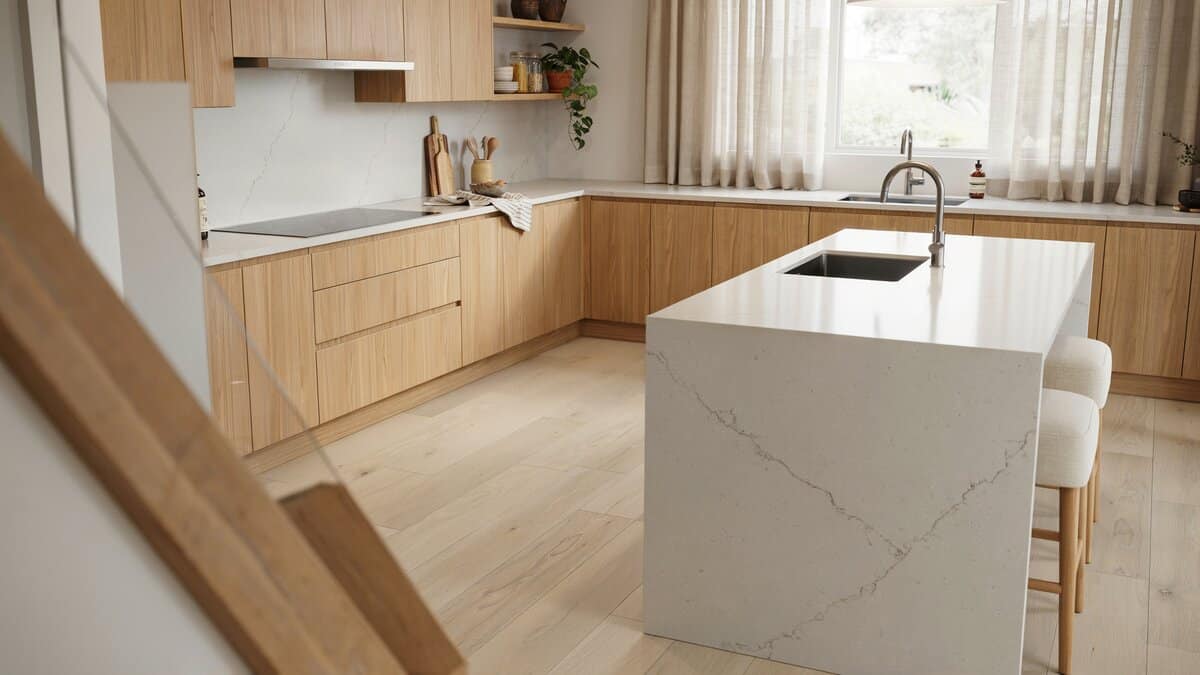
This flooring consists of the real wood veneer that is bonded to multiple layers of wood backing which is generally not as expensive as solid hardwood.
– Low: the basic engineered hardwood is composed of three core layers that are topped with a layer of wood veneer with a thickness of 1/16-inch to 1/12-inch thick. The price is $4 to $7 for each square foot and its installation is valued at $3 to $5 per square foot.
– Mid: it usually has thicker veneer with a five-layer core that costs $6 to $12, with installation costing $4 to $7 for every square foot.
– High: it consists of seven or more core layers and has a top veneer measuring 1/6-in thick. The price is about $10 to $16 per square foot and its installation per square foot costs $5 to $8.
Installation cost considerations
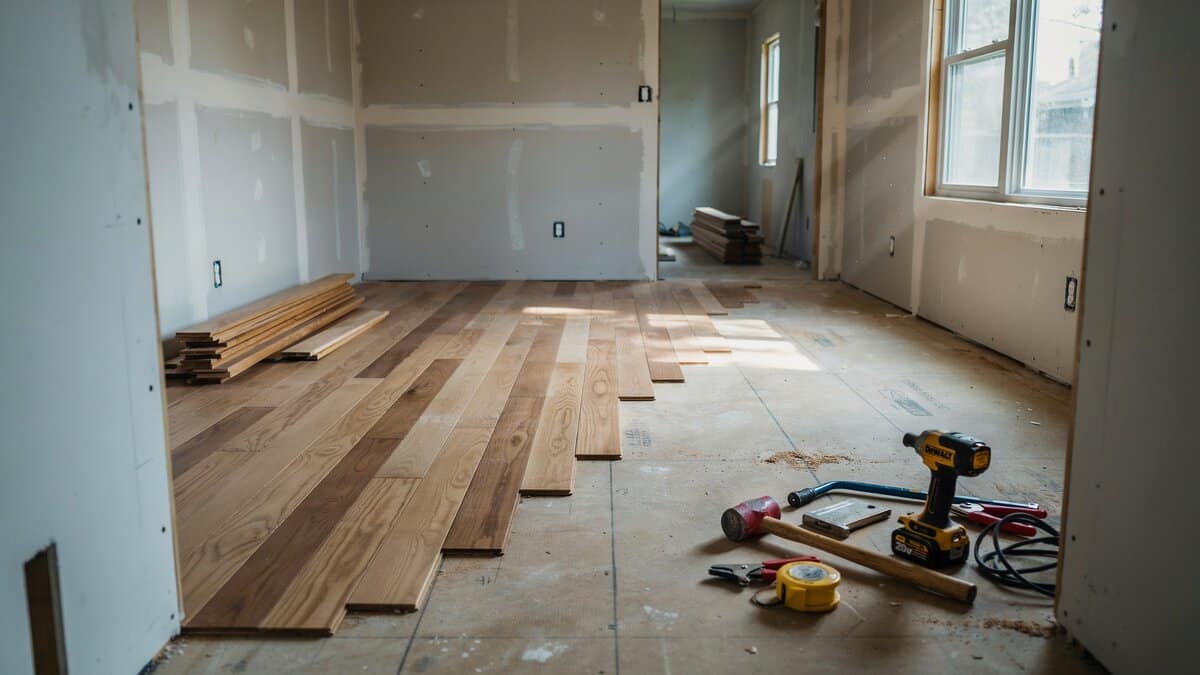
The installation payment depends on varied factors which include the location of your house as well as the intricacy of the project. Added costs would arise if there is still removal and replacement of furniture, repair of the subfloor, and removal or disposal of the old floor.
This can be expensive compared to a project where the installer will only have to do the installation and nothing else. Some installers charge about twenty to fifty cents for every square foot for the removal of the carpet or moving of the furniture. Others charge a per-appliance fee as they move the appliances. Ask for these to be itemized on the quote. They’re the line items that quietly turn a $6,000 job into a $7,200 one.
How the floor gets attached to your subfloor changes the labor line more than most people expect.
| Installation method | Labor cost | Best for |
|---|---|---|
| Nail down | $3.50 to $6 per sq ft | Solid hardwood over a wood subfloor |
| Glue down | $4 to $7 per sq ft | Engineered planks going over concrete |
| Floating | $2.50 to $5 per sq ft | Click lock engineered, the fastest of the three |
Glue down also adds adhesive at $0.50 to $1.50 per square foot, which is easy to forget when you’re comparing quotes. If your subfloor is concrete and you’re set on solid hardwood, you’ll need a plywood layer first. That’s another cost and another day.
Hardwood Flooring Cost By Types
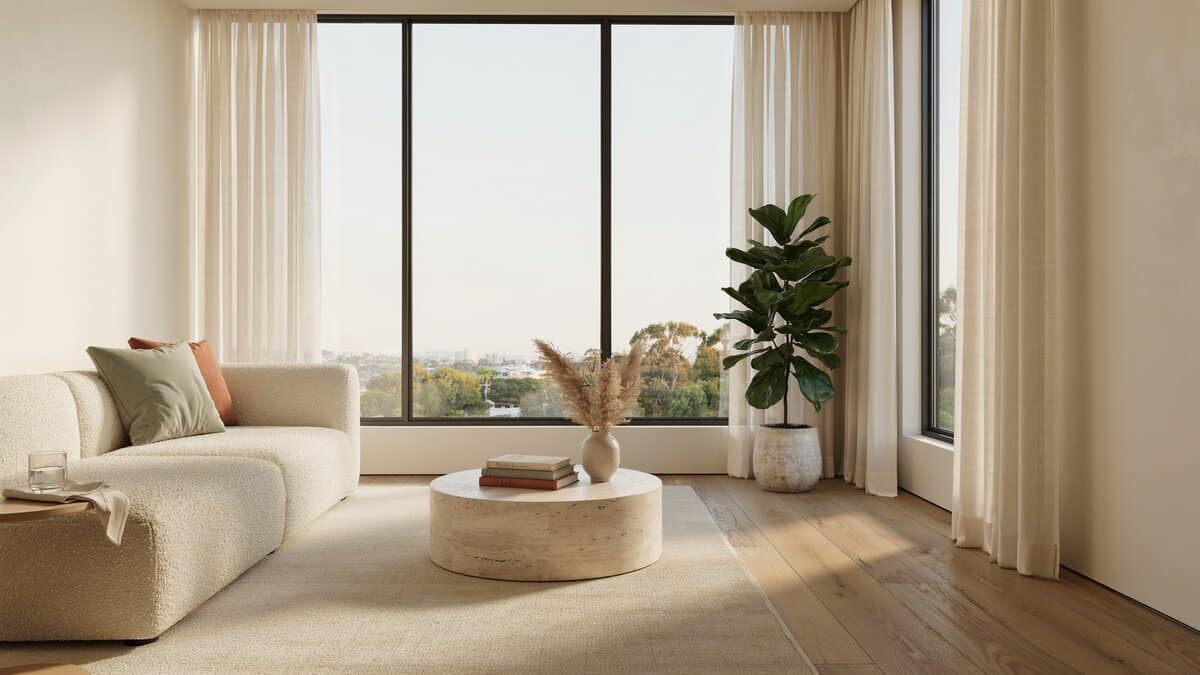
Hardwood flooring comes from a variety of tree species and each variety has its own distinct color, price, and durability as listed below:
- Maple – it is very hard and resistant to dents. Its color appears creamy white to pale red and would cost $6 to $9 per square foot for the material.
- Hickory – it has an exceptional variety of colors having dramatic grain patterns. It has a hard density that suits well on high-traffic areas. Its price is about $5 to $9 for each square foot.
- Bamboo – it has interesting growth of striations having a variety of colors. The hardest and the most durable ones are strand bamboo flooring. The price of this is $3 to $6 for each square foot.
- Red oak – it appears reddish and tight with visible grain. It is durable and the majority of these glow in the light creating a warm ambiance. At $3 to $6 per square foot it’s the most affordable of the common domestic hardwoods, which is a big part of why you see it everywhere.
- Pine – its appearance is rustic knot patterns with warm tones that range from light beige to rich golden amber. It’s vulnerable to scratches and dents, and it costs $3 to $6 for every square foot.
- White ash – this has a creamy color that ranges from soft and light tan to pale gray that has visible knots. This type has good durability and takes stain unevenly, so test a sample first. The price is $4 to $6 per square foot.
- Brazilian walnut – this is an exotic hardwood that varies in shades of brown. It is extremely hard and has good durability against the scratching of pets. Cost is approximately $8 to $14 for each square foot.
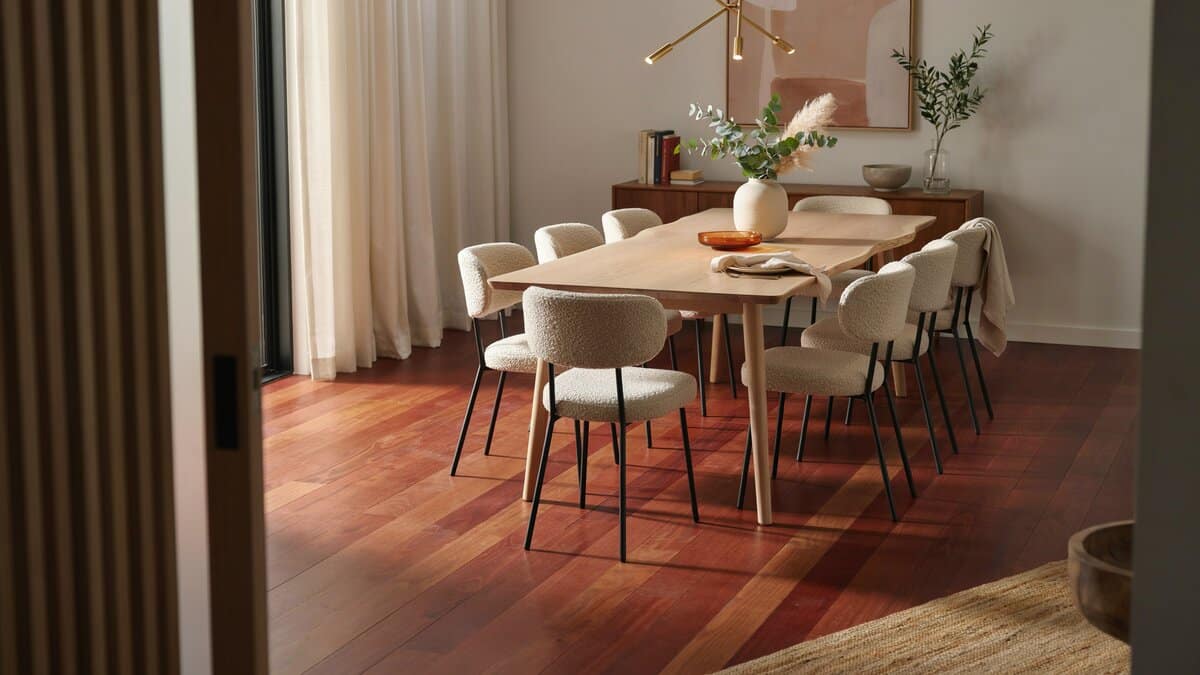
Red oak sits on the affordable end of the hardwood list, and that pinkish cast is the giveaway. It warms up under lamplight in a way the paler species just don’t.
Engineered Wood Flooring Cost By Types
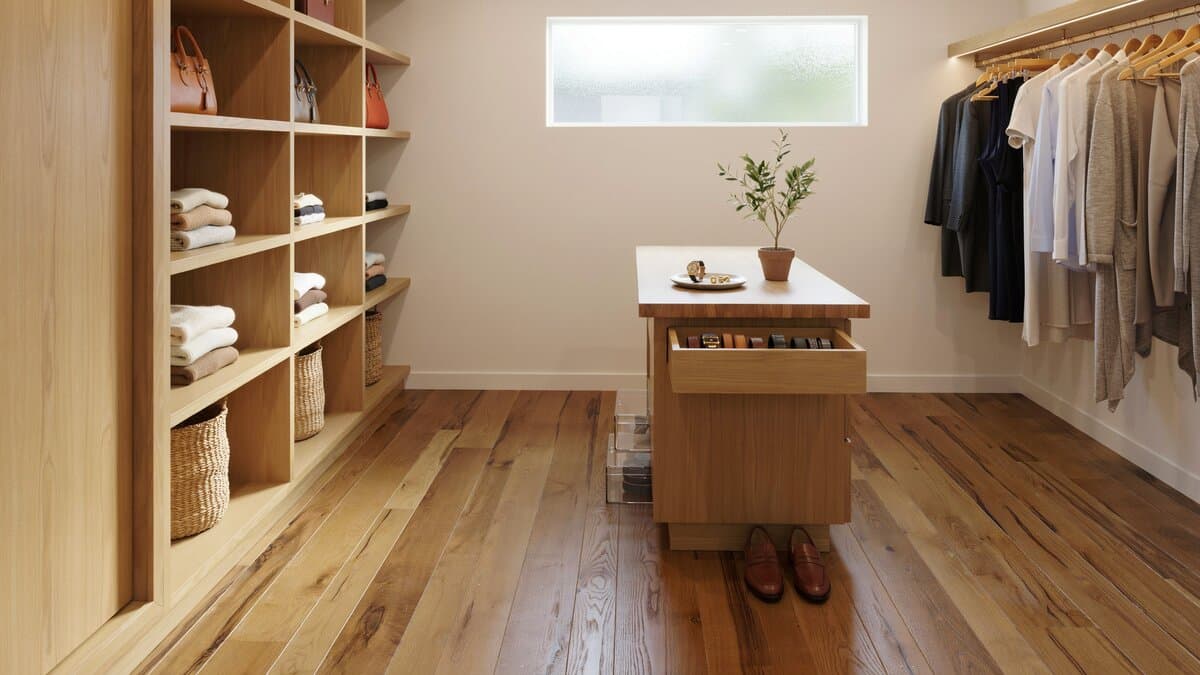
Engineered hardwood floors have increased moisture resistance compared to regular hardwood. These are better wood floors compared to traditional hardwoods for those who have pets or spill-prone kids. You can read more about hardwood floors in kitchen pros and cons or engineered hardwood flooring in the kitchen here for more details.
The most commonly known engineered flooring options are listed below:
- Maple – the colors vary from creamy white to rich red. This can be fastened or glued, and costs $7 to $11 per square foot.
- White ash – it comes in a variety of colors as well as grain patterns that give an interesting character to the flooring while hiding the imperfections well. The price of this is $8 to $13 for each square foot.
- Heart pine – it has vintage charms because of its gouges, nail holes, and attractive knots. $7 to $11 per square foot is its cost.
- Brazilian cherry – it is an exotic wood having a warm red-brown tone as well as rich hues priced at about $5 to $9 per square foot.
- Acacia – it projects an attractive contrast of medium brown colors. Its graining makes it known to be used because of its rustic and Colonial appearance. Its cost is approximately $4 to $8 for each square foot.
- Brazilian koa – its color is distinct which is orange and has rich and dark brown stripes. It projects a bold look, and it runs $6 to $10 for every square foot.
Additional wood flooring cost considerations
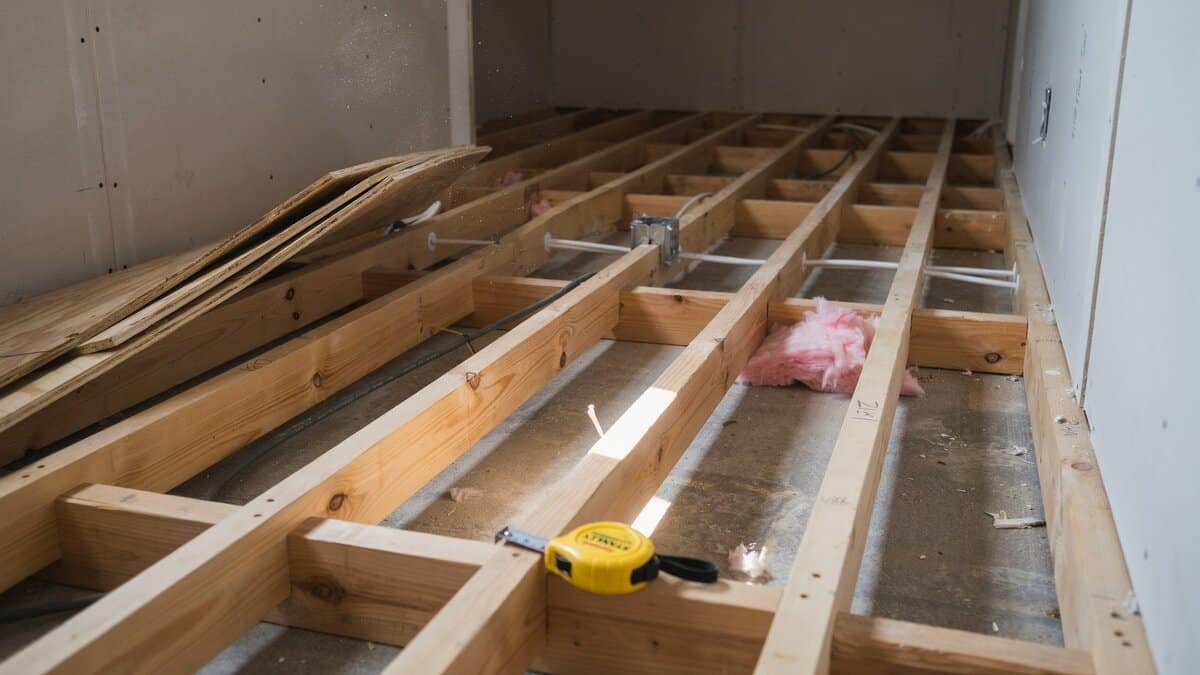
You’ll spend more on both materials and labor if work needs to be done on the joists, subfloor, or other structural elements. The plywood or subflooring would have an average cost of $22 for every 4- by 8-foot sheet. A 12- by 12-foot room will need five sheets of plywood which can have an increased cost of $110.
Carpenters typically charge for the installation of new floor subfloors as well as joists at a rate of around $30 up to $100 for each hour on the job.
Don’t forget the waste factor
You never buy exactly the square footage of the room. Every cut leaves a piece too short to use, and those offcuts add up faster than people expect. Order 10 percent extra for a standard straight layout. Bump that to 15 percent for a diagonal install, and about 17 percent for herringbone or chevron. If you’re using wide planks, seven inches or more, add another 3 percent because the drop pieces are harder to reuse. On a 500 square foot room at $13 per square foot, that 10 percent overage is roughly $650 you didn’t have in your head.
Solid Hardwood vs Engineered Wood: Which Costs Less?
Engineered is usually the cheaper of the two up front. Whether it’s cheaper over thirty years is a different question, and it comes down to how many times you can sand it back.
| Solid hardwood | Engineered wood | |
|---|---|---|
| Installed cost | $11 to $25 per sq ft | $9 to $20 per sq ft |
| Wear layer | Solid wood all the way through | 1/16 to 1/6 inch veneer |
| Times it can be refinished | Four to six | Once or twice, sometimes never |
| Basements and below grade | Not recommended | Works with the right install |
| Over a concrete slab | Needs a plywood subfloor first | Glues down directly |
| Moisture tolerance | Low | Moderate |
| Realistic lifespan | 50 to 100 years | 20 to 40 years |
The short version: if it’s a kitchen, a basement, or anywhere over concrete, engineered is the practical pick. If it’s a main floor you plan to keep for decades, solid pays you back. For a closer look at where each one holds up, see our guide to flooring material durability by room.
Refinishing vs Replacing: The Cheaper Move
If you already have hardwood underneath and it’s just tired, don’t replace it. Sand it.
Refinishing runs $3 to $8 per square foot, against $9 to $25 to tear out and start over. The National Wood Flooring Association puts refinishing at 70 to 80 percent less than replacement, and it buys you another 15 to 20 years of floor.
The catch is the wear layer. Solid hardwood can take four to six sandings across its life. Engineered with a thin veneer might take one, and a 1/16-inch veneer often can’t take any. Pull up a floor vent and look at the cut edge of a plank. That’s the cheapest inspection you’ll ever do. While you’re deciding, our guide to wood floor finishes covers what to put back on top.
Questions and Answers About Wood Flooring Costs
How much does it cost to floor a 500 square foot room?
Figure $4,500 on the budget end, around $6,500 for a mid-range install, and up to $11,000 if you’re going with exotic species or a patterned layout. Add 10 percent for waste on top of that.
Is engineered wood actually cheaper than solid hardwood?
Up front, yes, usually by $2 to $5 per square foot installed. Over the long run it depends on the veneer. A thick 1/6-inch wear layer can be refinished and will last decades. A thin one is a floor you’ll replace rather than restore.
What’s the cheapest wood floor that still looks good?
Red oak. It’s $3 to $6 per square foot for material, it takes stain beautifully, and there’s a reason it’s in half the houses in America. Bamboo is the other honest answer at $3 to $6, and strand woven bamboo is genuinely tough. If you want the look without the wood, compare it against laminate vs hardwood flooring first.
Can I save money installing it myself?
You’d save the $2.50 to $7 per square foot labor line, which on a 500 square foot room is $1,250 to $3,500. Floating click lock engineered is the realistic DIY option. Nail down solid hardwood needs a flooring nailer, a good miter saw, and a tolerance for redoing your first two rows.
Does new wood flooring add value to a home?
It’s one of the more reliable interior upgrades, and buyers notice it immediately. It won’t return the full cost on its own, but it moves a house faster than almost any other cosmetic change.
Why does my quote look higher than these numbers?
Usually subfloor repair, old floor removal, or a tricky layout. Stairs, transitions, and rooms with a lot of corners all cost more per square foot than a big open rectangle. Ask the installer to break the quote into materials, labor, prep, and disposal so you can see where it’s coming from.
Visit our gallery of oak hardwood flooring and cherry hardwood flooring for more details about popular wood species for use with interior design.
Pricing in this guide reflects 2026 national averages compiled from HomeGuide, Angi, and Homewyse. Costs vary by region, so treat these as a starting point rather than a quote.
To showcase highly specific designs, some images on this website use advanced AI-generation software to illustrate ideas and room inspiration. See our editorial policy to learn more.