San Francisco Victorian Houses (Design Elements)
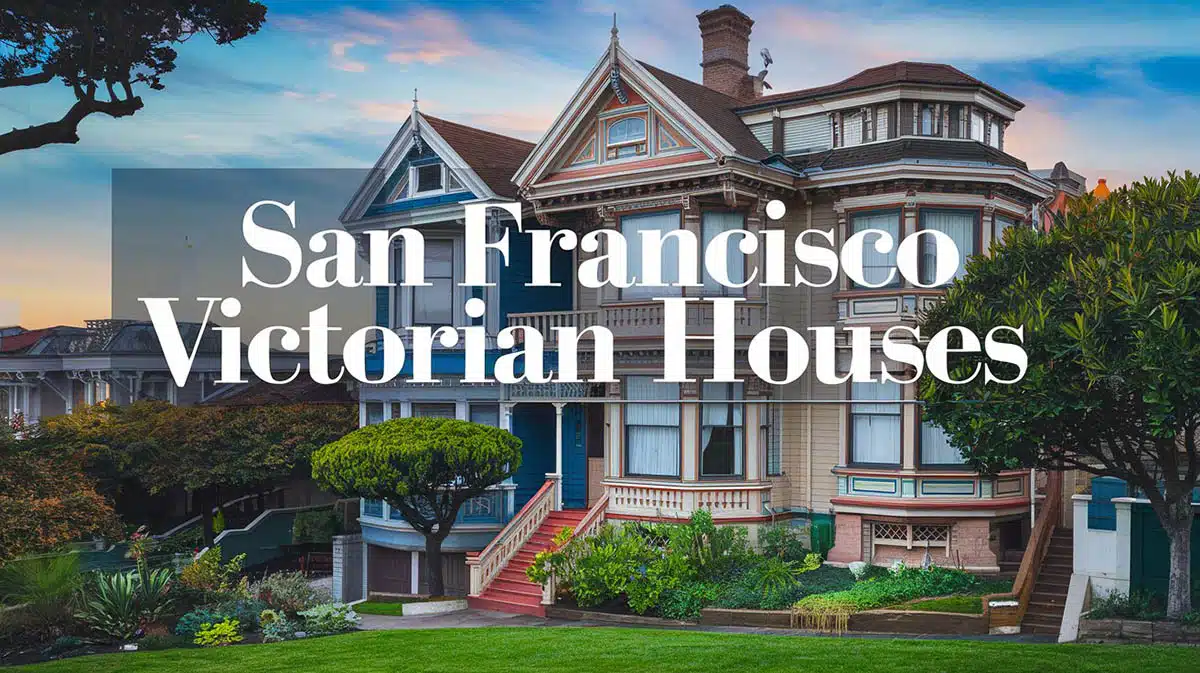
San Francisco is well recognized for its diversity, stunning views, vibrant culture, and remarkably charming Victorian houses that are widespread in the city. Tourists and photographers have always loved to drive around the picturesque of Alamo Square, also known as “Postcard Row” and capture some of the majestic historic beauties in contrast with the city’s dazzling skyline.
Victorian Architecture
Victorian Architecture refers not to its style but to the era of prominence – between 1830 and 1910. However, the elements came into limelight much later in San Francisco due to the reconstruction after the 1906 Earthquake and Fire. Victorian Architecture is a dynamic symbol of its historic culture that tremendously highlights some of the ideal characteristics that make them steal the eyes of their observers. These key features include:
1) Vertical houses with multiple stories
2) Steep Roofs
3) Bright and attractive Colors
4) Asymmetrical facade
5) Detailed intricate patterns and trim
6) Dominant front-facing gingerbread-style gables
7) Heavily patterned brackets
8) Stained glass paneling
9) Round and dominant corner tower
10) Small porch covering entrance area
11) Differing wall textures
12) Classical columns and balustrades
13) Bay windows
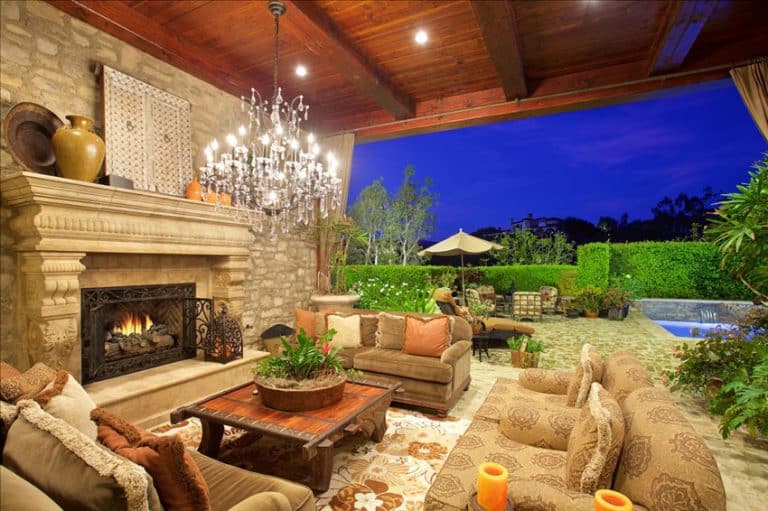
14) Decorative fireplace
15) Interior neutral color palettes
Victorian Style Homes
Diving deeper into differentiating the architectural styles of Victorian Architecture, three main typologies that are observed in San Francisco. The first style is Italianate, which is highly characterized by slanted bay windows and flat fronts. These are not that commonly used due to missing features of high level of details and intricate designs.
The second style is Eastlake, highlighted with heavy decorated crafted woodwork and squared bay windows that outlooks through its detail carved façade. The third style is Queen Anne, which is one of the most famous and decorated of all the Victorian homes. ‘The Painted Ladies’ are a classic example of Queen Anne Style built during the 1860s and 1870s.
One of a note-worthy fun facts of this home-style construction is that in the present era, the most Victorian Homes you could find would be in San Francisco with their multitudes in design elements and patterns. In the past, the developers built a total of 50,000 San Francisco Victorian Homes from 1850 through 1915. This number continued to multiply for years and now the present-day highlights the heavy influence of Victorian Architecture on the streets of San Francisco that shall continue to stand in pride for years to come.
How to Tell San Francisco’s Victorian Styles Apart
Three styles cover almost everything you’ll walk past in Alamo Square, Noe Valley, or the Mission. The trick is to stop looking at the paint and start looking at the bay window. That one detail dates a house faster than anything else on the facade.
| Style | Peak Years | Bay Window Shape | Signature Detail | Easiest Tell |
|---|---|---|---|---|
| Italianate | 1860s to 1870s | Flat front, or a gently slanted bay | Tall narrow windows with hooded tops, heavy brackets under the eaves | A flat false front that hides the roof completely |
| Stick and Eastlake | 1880s | Squared off, boxy, straight sides | Applied redwood strips, sunbursts, carved floral panels | Vertical trim running up the face like ribs |
| Queen Anne | 1890s to 1900s | Rounded or angled, often under a corner tower | Turrets, shingled gables, spindle porches, mixed wall textures | The roof is visible from the street with no false front |
| Edwardian (what came after) |
1906 to 1915 | Wide and shallow, squared corners | Classical columns, plainer trim, larger rooms behind fewer walls | Ornament thins out. Rebuilt after the 1906 fire |
To tell them apart start with the bay window, then check the roofline. Flat and hidden means Italianate. Boxy bay with strips of trim means Eastlake. A visible gable or a little tower means Queen Anne. After that, the paint colors are just personality.
Style dates and identifying features drawn from San Francisco Travel’s architecture guide.
Do you seem to feel tempted towards these out-of-the-fairy-tale houses? Let’s have a look at a few of the properties they have in San Francisco.
Contemporary Victorian House
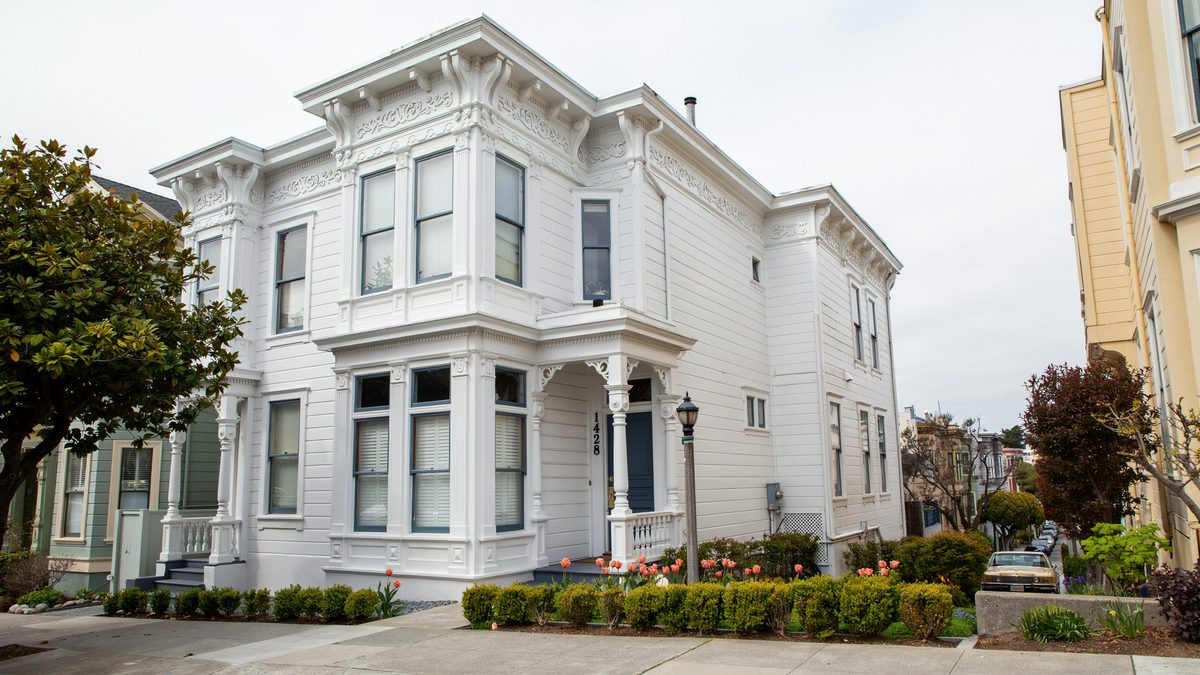
Renovated double-story 1900-built Victorian house
This renovated contemporary Victorian house has detailed intricate, trims and columns have been beautifully preserved letting the house speak for its glorious history. The house features authentic use of parquet wooden floors, marble, and contemporary finishes. Due to an all-white color palette, and multiple windows the interior spaces are enriched with plenty of sunlight and natural air that makes the space look delicate, light, and open.
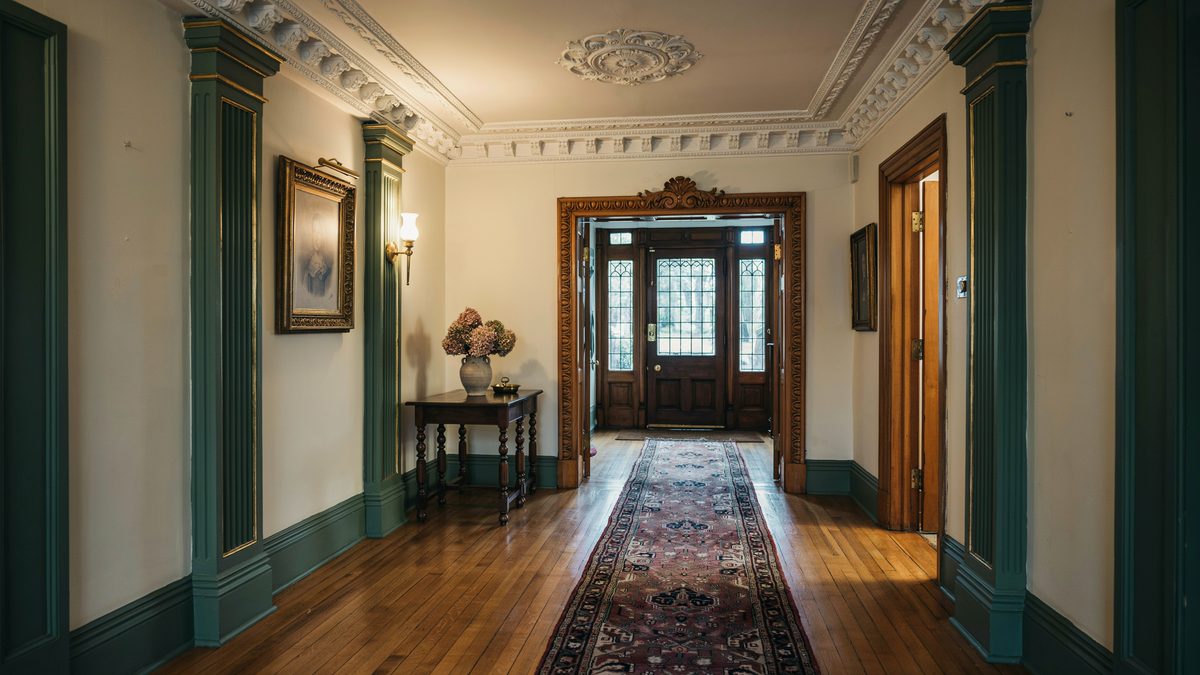
Preserved interiors: pillars, ceilings, and detailed frames.
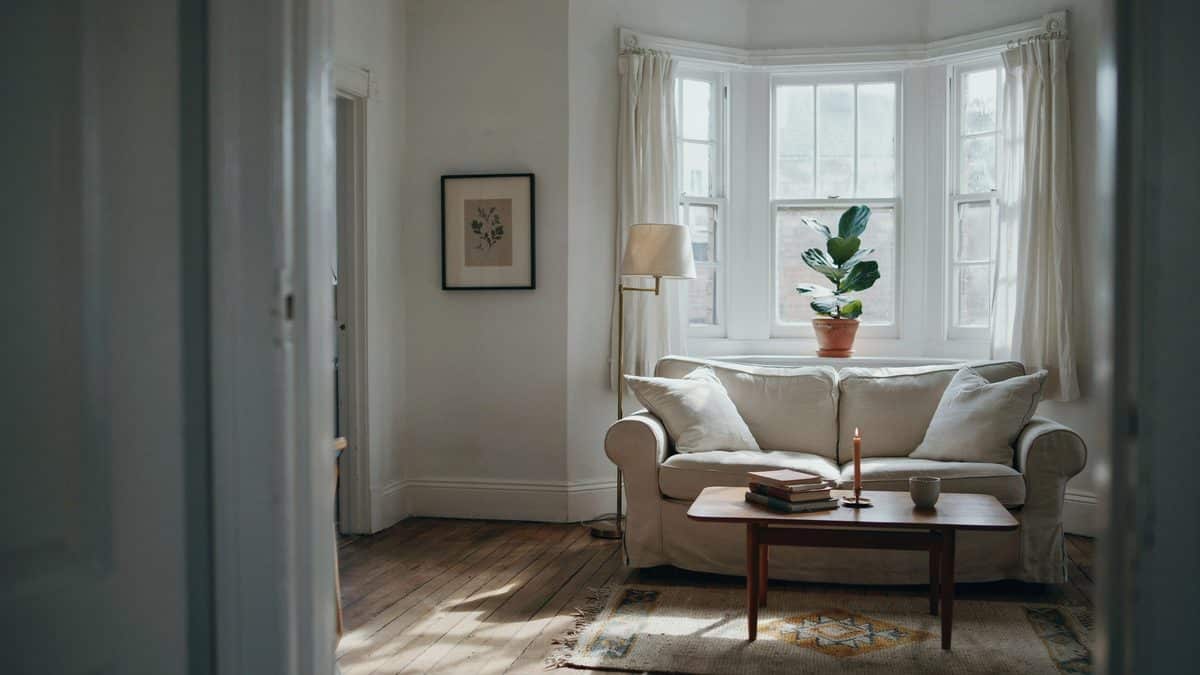
Natural light through bay windows bathing the living room interiors.
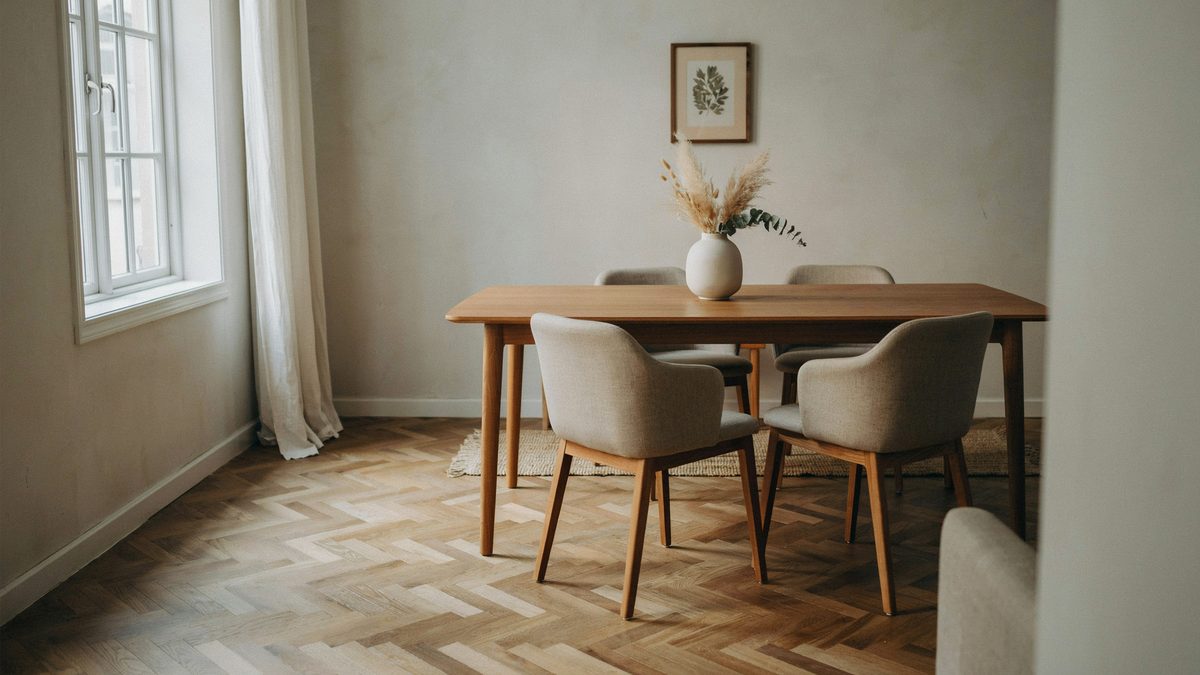
Parquet hardwood flooring complements the neutral palette of the house.
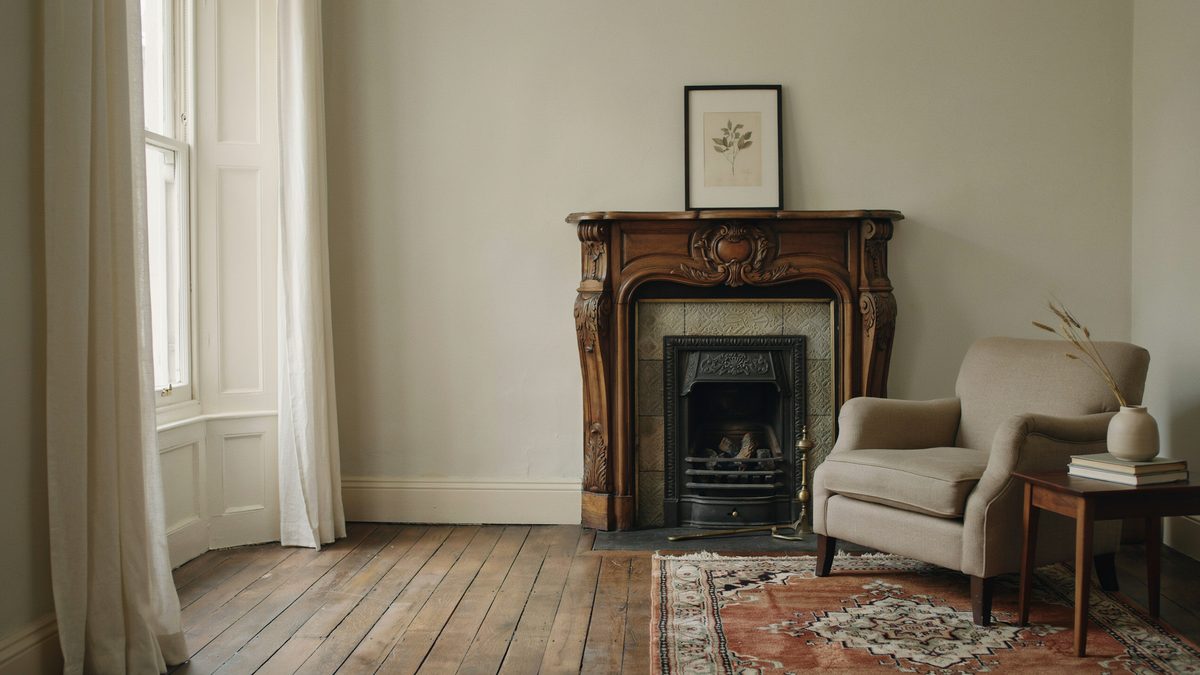
A detailed fireplace in a Victorian home is like cherry-on-the-top
Where to See SF Victorian Homes
None of the local trips are completed without stopping by Alamo Square or South Park which are the two highlights of these houses. For all the Victorian Architecture enthusiasts, exploring the Pacific Heights, Noe Valley, Mission District, Bernal Heights, and Nob Hill should be on the top of the list. Wouldn’t be able to visit? Let’s sneak a peek into the beautiful streets of San Francisco and get inspired by some admirable Victorian houses. Round dominant towers define Victorian architecture. Bright round towers mark one of the main landmarks of San Francisco.
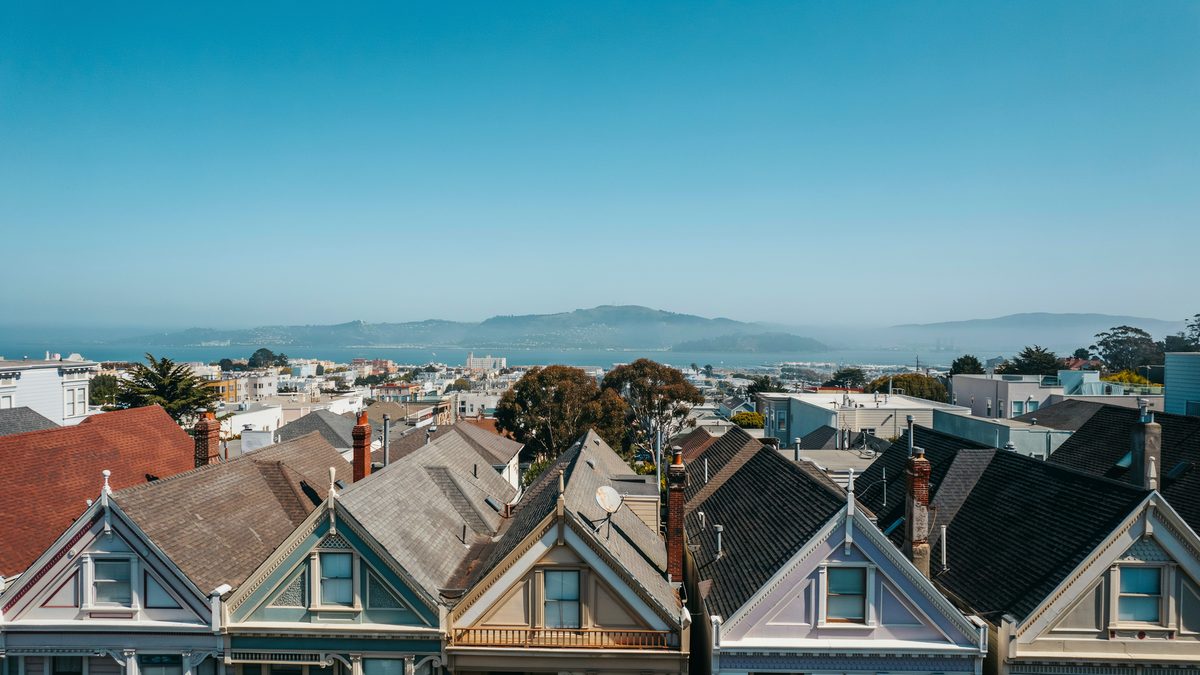
Bright colors are a key feature of Victorian homes. See more house color ideas here.
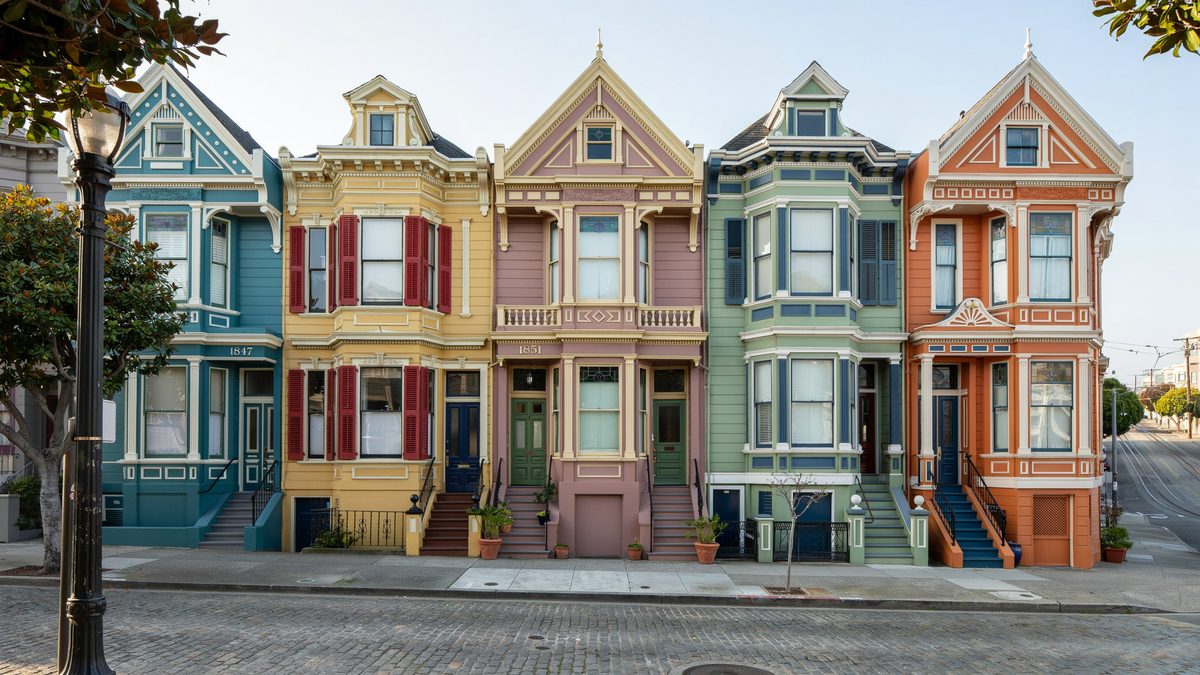
Multi-story façade adding beauty to San Francisco’s streets
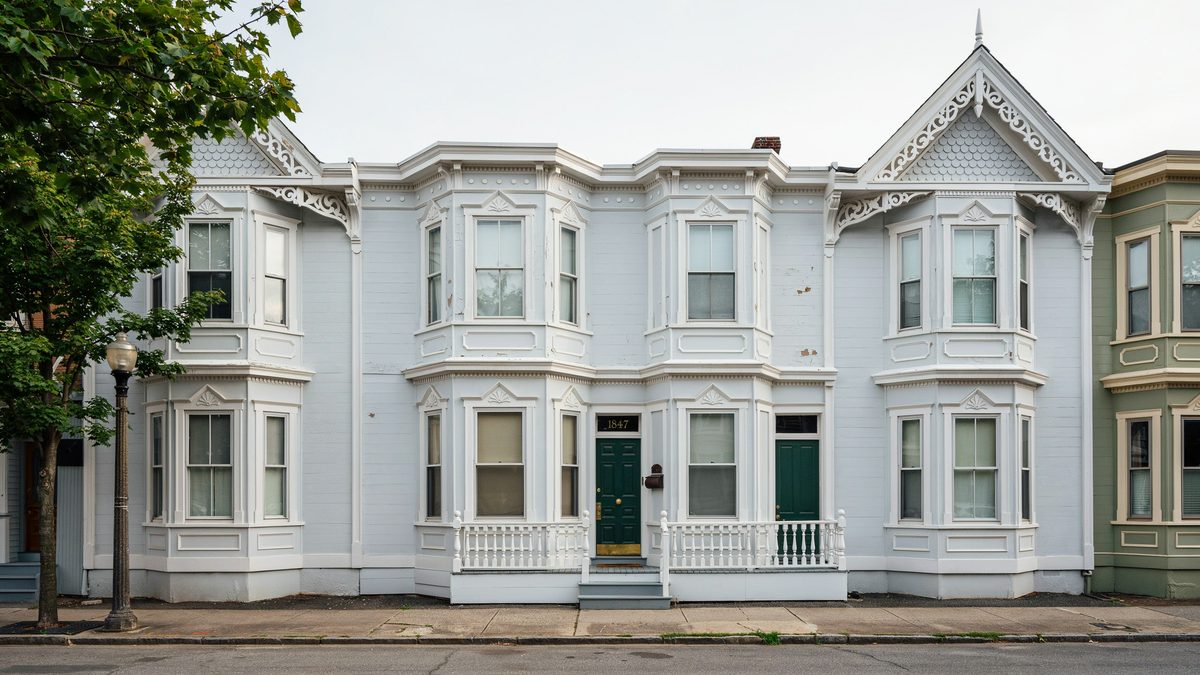
Bay windows and detailed brackets outshine typical Victorian architecture
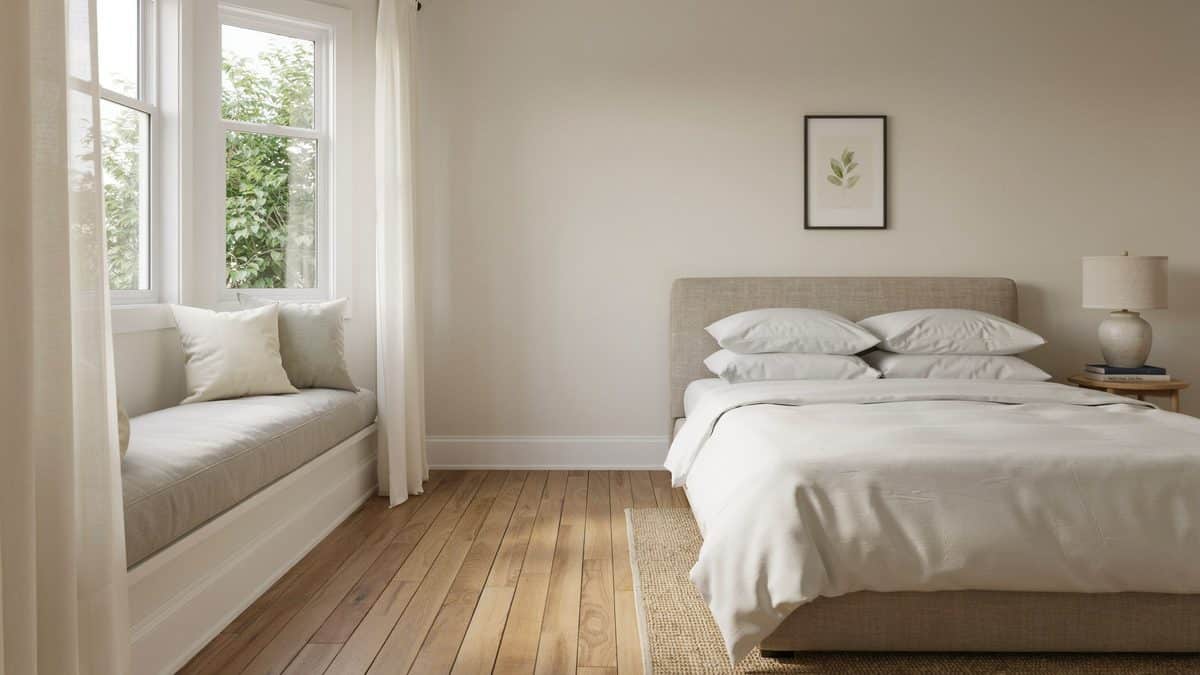
Bedroom interior with bay window.
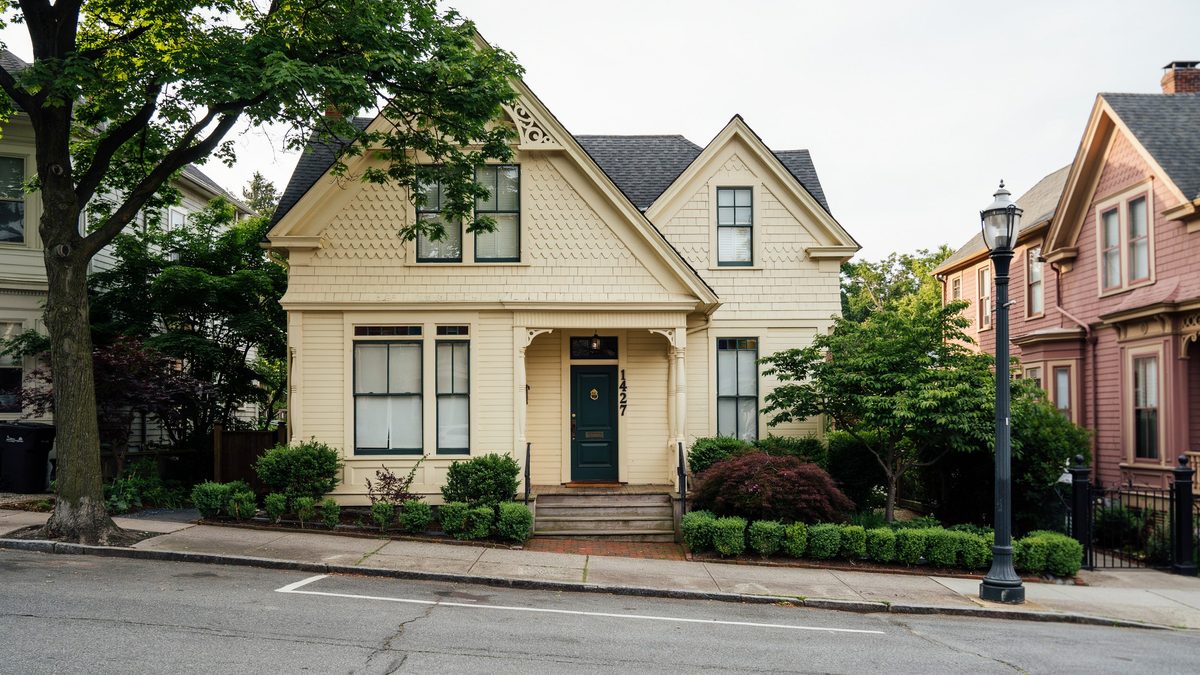
Pale and textured shades don’t do bad either.
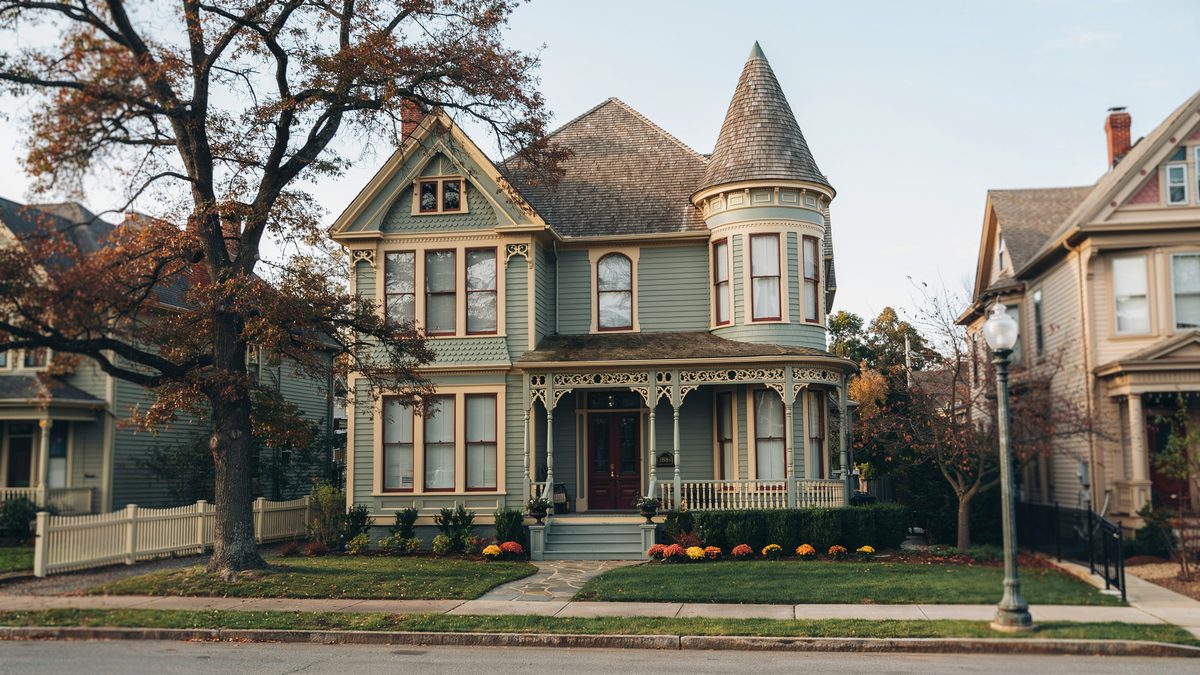
Steep sloped Victorian home with decorated balustrades.
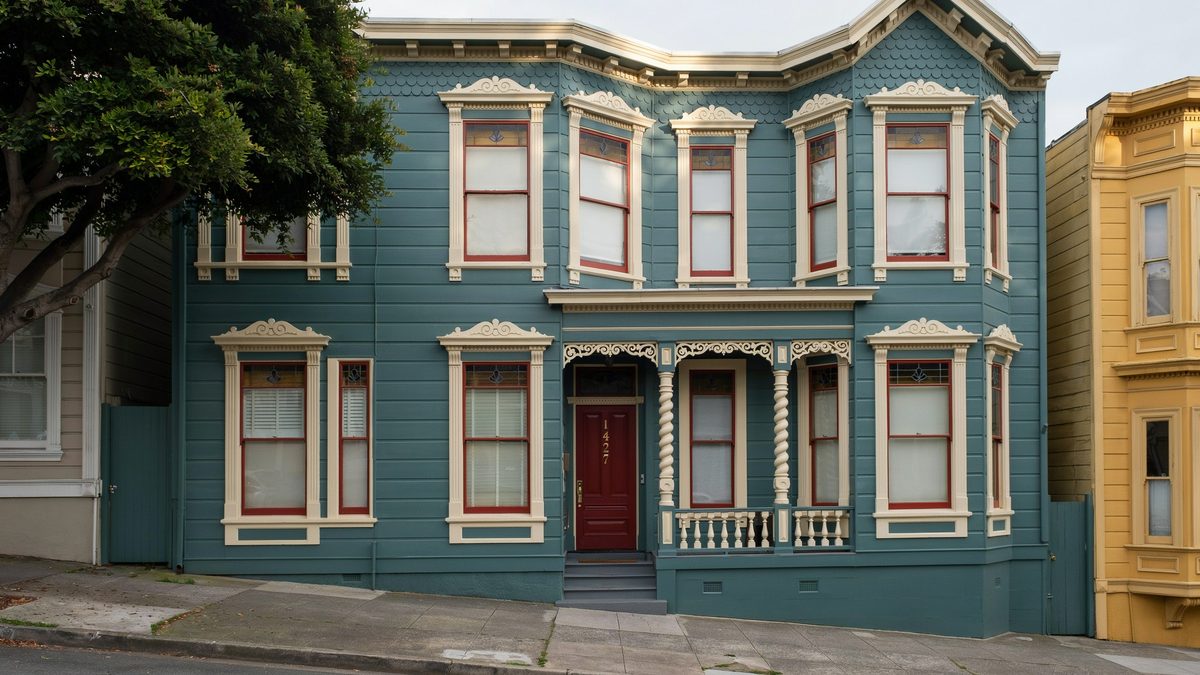
This 1885-style house glorifies the authentic Victorian architecture with patterned columns and lintels
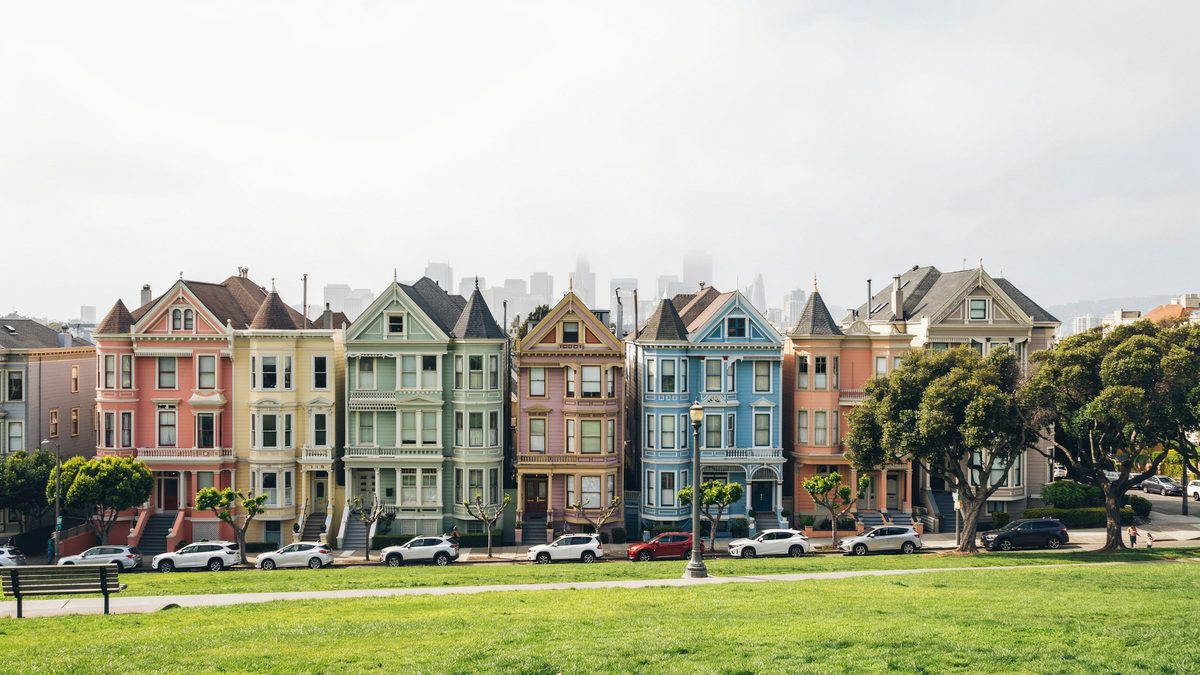
Example of the Painted Ladies at Alamo Square, San Francisco. For more related galleries see our house design pictures here.
To showcase highly specific designs, some images on this website use advanced AI-generation software to illustrate ideas and room inspiration. See our editorial policy to learn more.